International Crystal Industry Alliance
  • Home
  • About Us
    • Who We Are
    • Global Governance
    • Headquarters & Global Labs
    • Team & Leadership
  • Standards
    • CCGS
    • RCGS
    • MSGS
    • Treatment Disclosure Guide
    • Gemstone Encyclopedia
  • Verification & Traceability
    • IGSTS 3D Biometric System
    • Certificate Search
    • Global Directory & Public Registry
  • Education & Research
    • ICIA Crystal and Gemstone Academy
    • IMGRI
  • Membership & Compliance
    • Certification Committee
    • Professional Credentials
    • OAISS
    • Expedited Re-Testing
    • ADRPS
  • Media Center
    • Press Releases
    • Whitepapers & Downloads
    • Industry Blog & Trends
  • Click to open the search input field Click to open the search input field Search
  • Menu Menu

Can natural quartz be used in the jewelry industry?

November 22, 2024/0 Comments/in Crystal Encyclopedia/by ICIA Media Center

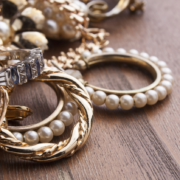
Yes, natural quartz is widely used in the jewelry industry for several reasons:
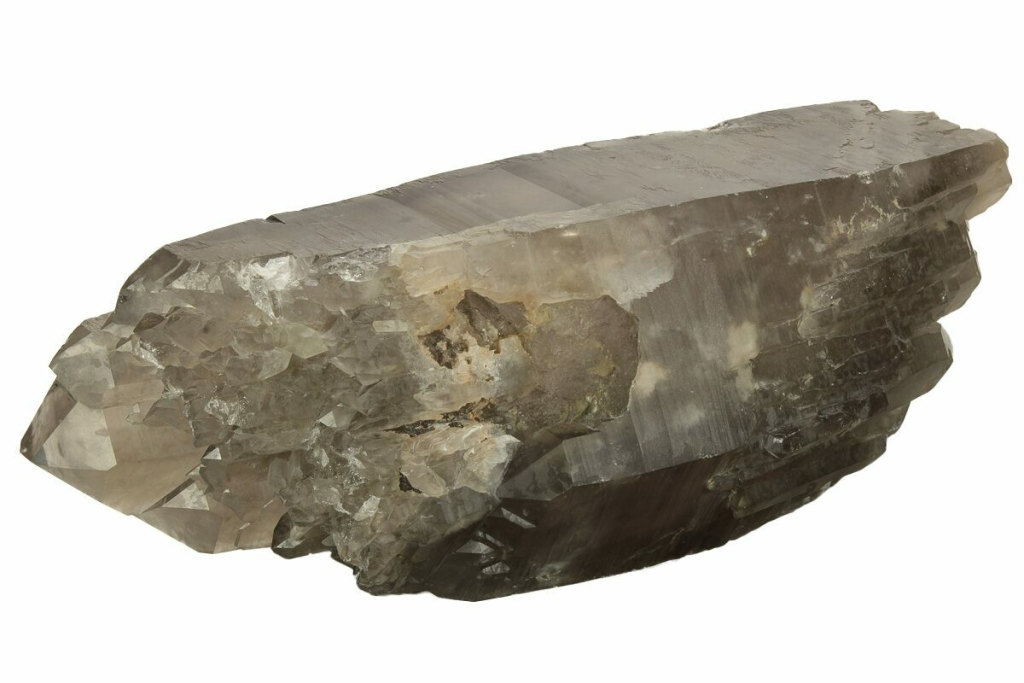
Types of Quartz Used in Jewelry

  • Amethyst:
    • This purple variety of quartz is one of the most popular gemstones in the jewelry world. Its color ranges from a delicate lavender to a deep, rich purple, which is caused by the presence of iron and other trace elements in the crystal structure. Amethyst is often cut into faceted stones for use in rings, earrings, necklaces, and bracelets. It can be set in various precious metals like gold and silver to create elegant and eye-catching jewelry pieces. For example, a solitaire amethyst ring with a prong setting in white gold can be a stunning and affordable alternative to traditional diamond rings.
  • Citrine:
    • Citrine is usually yellow in color, with shades varying from a pale lemon yellow to a deeper golden hue. It can occur naturally or be produced through the heat treatment of amethyst. In jewelry, citrine is favored for its warm and sunny appearance. It is commonly made into beads for bracelets and necklaces or cut as cabochons for pendants and rings. Its association with prosperity and good fortune in some cultures also adds to its appeal in jewelry design.
  • Rose Quartz:
    • Known for its soft pink color, which is attributed to trace amounts of titanium, iron, or manganese. Rose quartz has a delicate and romantic look, making it a popular choice for jewelry with sentimental value. It is often crafted into heart-shaped pendants, beads for bracelets, and used in earrings. Many people give rose quartz jewelry as gifts to symbolize love, friendship, or emotional healing.
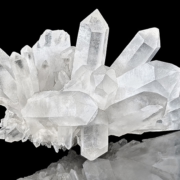
  • Clear Quartz (Rock Crystal):
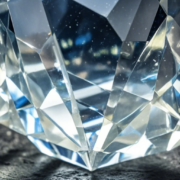
    • Colorless and highly transparent, clear quartz is used in jewelry both on its own and in combination with other gemstones. It can be cut into various geometric shapes, such as round brilliants, ovals, or squares, and faceted to enhance its sparkle. Clear quartz is sometimes used as a substitute for diamonds in costume jewelry due to its similar optical properties when cut. It can also be engraved or carved to create unique jewelry items like cameos or intricate pendants.

Advantages in Jewelry Making

  • Hardness: Quartz has a Mohs hardness of 7, which means it is relatively durable and can withstand the wear and tear of daily use in jewelry. It is less likely to get scratched easily compared to softer gemstones, making it suitable for pieces that will be worn regularly, like rings and bracelets.
  • Variety of Colors and Forms: With different colored varieties available, jewelers have a wide palette to work with. They can create jewelry sets that combine multiple quartz colors or use a single color to achieve a specific aesthetic effect. Additionally, quartz can be found in various crystal forms, from large single crystals that can be cut into substantial gemstones to smaller grains that are ideal for beadwork.
  • Affordability: Compared to some precious gemstones like diamonds, sapphires, and emeralds, natural quartz is generally more affordable. This makes it accessible to a broader range of consumers who want beautiful and stylish jewelry without breaking the bank. It allows jewelers to create a diverse range of designs at different price points, from inexpensive fashion jewelry to moderately priced fine jewelry pieces.
  • Optical Properties: Quartz has good refractive and reflective properties, especially when cut and polished properly. This gives it a certain amount of sparkle and luster, enhancing its visual appeal in jewelry. Clear quartz, in particular, can mimic the look of more expensive gemstones when faceted, adding to its desirability for use in jewelry.

Treatment and Enhancement

  • In some cases, natural quartz may undergo certain treatments to improve its appearance or stability for use in jewelry. For example, as mentioned earlier, amethyst can be heat-treated to lighten or darken its color to meet specific market demands. Citrine can also be produced through heat treatment of amethyst. However, these treatments are usually disclosed in the jewelry industry to ensure transparency with consumers.

In conclusion, natural quartz is a valuable and versatile material in the jewelry industry, offering a wide range of options for jewelers to create beautiful and appealing jewelry pieces across different styles and price ranges.
Tags: jewelry industry, natural quartz
Share this entry
  • Facebook Facebook Share on Facebook
  • X-twitter X-twitter Share on X
  • Whatsapp Whatsapp Share on WhatsApp
  • Pinterest Pinterest Share on Pinterest
  • Linkedin Linkedin Share on LinkedIn
https://www.icia.uk/wp-content/uploads/2024/11/219223-52.avif 800 1200 ICIA Media Center https://www.icia.uk/wp-content/uploads/2026/11/icia-logo-600-250.avif ICIA Media Center2024-11-22 14:57:072025-01-13 12:56:26Can natural quartz be used in the jewelry industry?
You might also like
What are the different colors of natural quartz?
Are there any synthetic quartz gemstones that are similar in appearance to natural quartz?
What are the physical and chemical properties of natural quartz?
How can I tell the difference between natural and synthetic quartz gemstones?
What is the difference between natural quartz and synthetic quartz?
Market Trends of Jewelry Industry
Search Search
  • Global Gemstone & Fine Jewelry Market: Key News & Strategic Trend Outlook
  • ICIA Officially Prohibits Subjective “3A/5A/7A” Marketing Labels, Mandating 100-Point CCGS Empirical Standards Worldwide
  • The Timeless Appeal of Natural Jewellery
  • China’s Gem and Jewellery Industry: A Practical Overview
  • Geopolitical Impact Assessment on Mineral Assets
  • Latest Developments in Hong Kong’s Jewellery and Diamond Industry
  • 2026 Crystal Trends: What’s Rising, What’s Shifting, What’s Worth Your Money
  • Report on the Current Status and Market Outlook of the Crystal Industry (2026–2032)
  • Crystal Market Size | 2026–2035
  • Crystal & Gemstone Market Development Report — 2026
  • 2026 Jewelry Trends: The Big Shift Away from “Quiet”
  • Super hard “super diamond” developed in China, 40% stronger than natural diamond

Subscribe to our Blog

ICIA - International Crystal Industry Alliance

An independent, non-governmental international metrological and regulatory alliance establishing empirical crystal grading codices (CCGS, RCGS, MSGS) and sovereign ledger verification under English Common Law.

ICIA General Secretariat Hubs
London (United Kingdom) • Geneva (Switzerland) • Hong Kong
Governance & Organs
  • ICIA General Meeting
  • Board of Governors
  • ICIA General Secretariat
  • Institute of Gemstone & Mineral Research (IGMRI)
  • ICIA Crystal and Gemstone Academy (ICGA)
  • Ethics and Sustainability Committee (ESC)
  • OAISS Supervision Service
Charter & Compliance
  • ICIA Charter & Bylaws
  • ICIA Arbitration & Appraisal Committee (IAAC)
  • ADRPS Regulations
  • GDPR & Data Protection
  • Global Privacy Policy
  • Copyright & Legal Notice
  • Contact General Secretariat
Trust & Metrology
• OAISS SUPERVISED
• MICRO-FTIR 3054 cm-1
• IGSTS • cert.icia.uk
• CCGS (4C+1I) • RCGS (5R) • MSGS (4M)
Verify Ledger →
ICIA Sovereign Seal

ICIA SOVEREIGN SEAL
EST. 2015 • LONDON & GENEVA

OAISS SUPERVISED
SUPERVISION SERVICE

IGMRI METROLOGY
MICRO-FTIR 3054 cm-1

CODEX STANDARDS
CCGS (4C+1I) • RCGS (5R) • MSGS (4M)

IGSTS LEDGER
SHA-256 • CERT.ICIA.UK

Statutory Legal Disclaimer: ICIA (International Crystal Industry Alliance) is an independent, non-governmental regulatory alliance. Certifications issued under the authority of the ICIA Certification Council pursuant to CCGS (4C+1I), RCGS (5R), and MSGS (4M) empirical frameworks verify physical specimen properties at the time of laboratory inspection and do not constitute a direct commercial guarantee of secondary market liquidity.
© 2015–2026 International Crystal Industry Alliance (ICIA™). All Rights Reserved.
Administered by ICIA General Secretariat • Statutory Seat: London, UK
Link to: What is the difference between natural quartz and synthetic quartz? Link to: What is the difference between natural quartz and synthetic quartz? What is the difference between natural quartz and synthetic quartz? Link to: Are there any synthetic quartz gemstones that are similar in appearance to natural quartz? Link to: Are there any synthetic quartz gemstones that are similar in appearance to natural quartz? Are there any synthetic quartz gemstones that are similar in appearance to natural...
Scroll to top Scroll to top Scroll to top