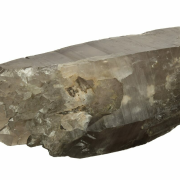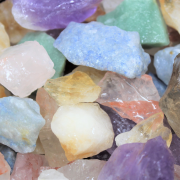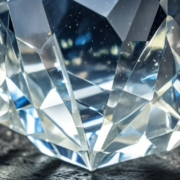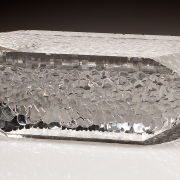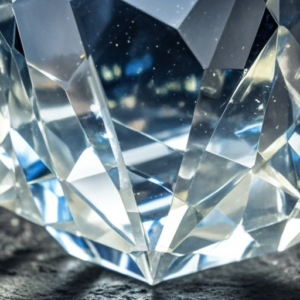
Are there any synthetic quartz gemstones that are similar in appearance to natural quartz?
Yes, there are synthetic quartz gemstones that closely resemble natural quartz in appearance. Here’s a detailed look at them:
Types and Their Similarities
- Synthetic Amethyst:
- Appearance: It mimics the purple color of natural amethyst quite well. The color can range from light lavender to deep violet hues, just like its natural counterpart. This is achieved by introducing specific impurities (such as iron) during the synthetic process in controlled amounts to replicate the chemical conditions that cause the color in natural amethyst.
- Crystal Structure: Synthetic amethyst often has a regular crystal structure similar to that of natural amethyst, although it may lack some of the unique inclusions or growth patterns that can be found in naturally formed crystals. However, under normal inspection without specialized equipment, it can be difficult to tell the difference based on appearance alone.
- Optical Properties: When cut and polished, synthetic amethyst displays similar optical characteristics to natural amethyst. It has a vitreous (glassy) luster and refracts light in a comparable way, giving it a similar sparkle and visual appeal when used in jewelry settings.
- Synthetic Citrine:
- Appearance: Synthetic citrine can replicate the yellow to golden-brown color range of natural citrine. The color is usually achieved by carefully controlling the addition of elements like iron during the synthesis process. It can be made to have a consistent color throughout the crystal, similar to some naturally occurring citrine specimens.
- Crystal Structure: Like synthetic amethyst, it has a relatively regular crystal structure compared to natural citrine, which may have more irregularities due to its natural formation. But from a visual perspective, it can look very similar to natural citrine, especially to the untrained eye.
- Optical Properties: When fashioned into jewelry pieces, synthetic citrine exhibits the same kind of vitreous luster and refractive behavior as natural citrine, making it hard to distinguish based solely on how it looks in normal lighting conditions.
- Synthetic Clear Quartz (Rock Crystal):
- Appearance: Synthetic clear quartz is colorless and highly transparent, just like natural rock crystal. It has a smooth and shiny surface with a glassy appearance. In some cases, it may be even more uniform in transparency than natural clear quartz, which can sometimes have tiny inclusions or slight variations in clarity due to natural processes.
- Crystal Structure: It typically has a very regular and consistent crystal structure as it grows under controlled laboratory conditions around a seed crystal. While natural clear quartz may have more diverse crystal forms and possible irregularities from growing in different geological environments, the synthetic version can closely mimic the overall shape and general appearance of natural clear quartz when cut and polished.
- Optical Properties: With a similar refractive index to natural clear quartz, synthetic clear quartz reflects and refracts light in a way that makes it look almost identical in terms of its optical allure. It can be used in jewelry as a substitute for natural clear quartz, especially in applications where a high level of uniformity and clarity is desired.

How to Distinguish Them (With Some Difficulty)
- Inclusions: Natural quartz often contains inclusions that are characteristic of its formation in nature. These can be gas bubbles, mineral particles, or other substances trapped during growth. Synthetic quartz, while it may have some minor inclusions related to the synthesis process, usually has fewer and different types of inclusions compared to natural quartz. For example, natural amethyst might have inclusions that give it a unique internal “landscape,” while synthetic amethyst’s inclusions are typically more uniform and less complex. However, identifying inclusions requires careful inspection, often with the help of magnification tools like a jeweler’s loupe or a microscope.
- Growth Patterns: Natural quartz can have irregular growth patterns that reflect the complex geological conditions in which it formed. Synthetic quartz, growing under controlled laboratory settings, usually has more regular and predictable growth patterns. But detecting these differences also demands some expertise and close examination of the crystal structure.
- Color Distribution: In some cases, the color in natural quartz may have a more uneven or natural-looking distribution due to variations in impurity concentrations during its formation. Synthetic quartz, especially if produced with high-quality control, may have a more even color throughout the crystal. This can be a subtle clue when trying to distinguish between them, but again, it requires careful observation.
In conclusion, synthetic quartz gemstones can be very similar in appearance to natural quartz gemstones, and differentiating them often requires a closer look and sometimes the use of specialized equipment or the expertise of a gemologist.