Market Trends of Jewelry Industry
The global jewelry industry is constantly evolving, driven by changing consumer preferences, technological advancements, economic factors, and cultural shifts. Below are some of the most prominent market trends in the jewelry industry:
1. Personalization and Customization
- Bespoke Jewelry: Consumers are increasingly seeking personalized and custom-made pieces, whether it’s engraving initials, designing unique engagement rings, or creating one-of-a-kind jewelry. The desire for individuality and unique designs is fueling the rise of custom jewelry offerings.
- Name and Initial Jewelry: Products such as name necklaces, initial bracelets, and birthstone rings are in high demand, reflecting the growing trend toward personalization.
- Engagement Rings and Wedding Jewelry: Millennials and Gen Z consumers are looking for more unique, non-traditional engagement rings and wedding bands, opting for less conventional gemstones or custom designs that reflect their personal style.
2. Sustainability and Ethical Sourcing
- Lab-Grown Diamonds: The demand for ethically sourced and sustainable jewelry is growing, particularly in the diamond sector. Lab-grown diamonds, which are chemically identical to mined diamonds but have a lower environmental impact, are becoming more popular, especially among eco-conscious consumers.
- Recycled and Upcycled Jewelry: The use of recycled metals and gemstones in jewelry is gaining traction, with many brands marketing their products as sustainable alternatives to newly mined materials. This trend is especially significant among consumers concerned with environmental issues.
- Fair Trade and Transparent Sourcing: There’s a growing demand for transparent supply chains, with consumers increasingly prioritizing brands that can trace the ethical sourcing of their materials. Companies that use fair trade gold, conflict-free diamonds, or responsibly mined gemstones are becoming more popular.
- Green Packaging: Eco-friendly packaging options, including recycled and biodegradable materials, are becoming a key selling point for jewelry brands.
3. E-Commerce and Digital Transformation
- Online Jewelry Shopping: The rise of online shopping, particularly accelerated by the COVID-19 pandemic, has dramatically transformed the jewelry market. Consumers are now more comfortable buying jewelry online, with virtual try-on tools, 3D design tools, and improved return policies making it easier to purchase with confidence.
- Social Media and Influencer Marketing: Social media platforms like Instagram and TikTok are heavily influencing jewelry trends. Influencers and celebrities showcasing their jewelry collections on these platforms have made certain pieces go viral. Brands are increasingly using social media advertising to target younger, fashion-savvy consumers.
- Augmented Reality (AR) Try-Ons: The use of AR in jewelry retail, particularly for virtual try-ons, has improved the online shopping experience. Customers can now visualize how a piece of jewelry will look on them without trying it on physically.
- Jewelry Subscription Services: Jewelry subscription services are growing in popularity, where consumers receive curated jewelry pieces on a monthly basis. These services are attractive to those who like variety but may not want to commit to purchasing high-cost items.
4. Luxury Jewelry and Investment Pieces
- High-Value Investment Jewelry: As economic uncertainties and inflation concerns persist, consumers are looking to purchase jewelry not just as fashion accessories but as investment assets. High-end, classic luxury pieces (such as diamond rings, gold necklaces, and rare gemstones) are increasingly seen as a hedge against inflation and a store of value.
- Vintage and Antique Jewelry: There is a growing interest in vintage and antique jewelry, with consumers seeking out unique and historical pieces. Vintage jewelry has become a symbol of craftsmanship, individuality, and luxury, and many collectors are willing to pay a premium for rare finds.
- Luxury Brand Collaborations: Collaborations between high-end jewelry brands and fashion houses, artists, or influencers are becoming increasingly common. These partnerships create limited-edition or exclusive collections that attract attention and drive consumer interest.
5. Gemstone Trends
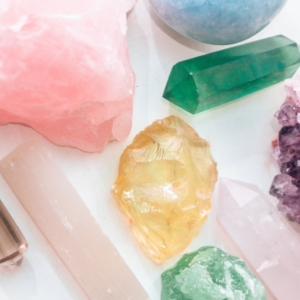
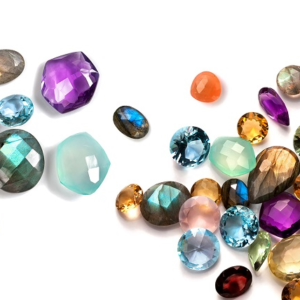
- Colored Gemstones: While diamonds have historically dominated the fine jewelry market, colored gemstones such as sapphires, rubies, emeralds, and alternative stones like aquamarine, tourmaline, and tanzanite are gaining in popularity. There is a growing trend toward colorful, unique gemstones used in engagement rings, earrings, and statement necklaces.
- Alternative Engagement Stones: More couples are opting for engagement rings featuring gemstones other than diamonds, such as morganite, sapphires, and emeralds, which are not only distinctive but often more affordable.
- Birthstones and Zodiac-Inspired Jewelry: Birthstone jewelry continues to be a popular gift item, especially for personalized gifting occasions. Similarly, zodiac and astrological-themed jewelry is growing in demand, particularly among younger generations interested in astrology and spiritual symbolism.
6. Minimalist and Everyday Jewelry
- Simple, Timeless Designs: While bold statement jewelry still has its place, minimalist jewelry is becoming more prominent. Simple, timeless pieces like gold chains, thin stacking rings, and small hoop earrings are popular as they fit into a wide range of occasions and styles.
- Stackable and Layered Jewelry: Consumers are embracing the ability to stack and layer pieces of jewelry to create their own unique looks. For example, stacking rings, layering necklaces, and multiple bracelets worn together are all popular trends.
- Everyday Jewelry: There’s an increasing focus on jewelry that can be worn daily—pieces that are versatile, durable, and comfortable but still stylish. This includes dainty rings, small earrings, and bracelets that transition well from day to night.
7. Smart Jewelry and Wearable Technology
- Smart Jewelry Integration: The fusion of technology and fashion has led to the development of smart jewelry. Items like smart rings, bracelets, and necklaces are being designed with built-in technology such as fitness tracking, health monitoring, and even emergency alerts.
- Fitness and Health Monitoring: Jewelry with health-related functions, like rings that track sleep patterns or necklaces that monitor heart rate, are increasingly popular, particularly among health-conscious consumers. These devices combine technology with aesthetic appeal, allowing consumers to wear functional tech in the form of elegant jewelry.
8. Rise of Gen Z and Millennial Consumers
- Younger Consumers: Millennials and Gen Z consumers are having a significant impact on jewelry trends. These generations are often more value-conscious, looking for affordable luxury, while also valuing sustainability and ethical considerations in their purchasing decisions.
- Influence of Pop Culture: Young consumers are influenced by pop culture, with celebrities, influencers, and social media trends dictating many of the jewelry choices. For instance, bold, chunky necklaces, oversized hoops, and rings have gained traction due to celebrity endorsements and TikTok trends.
- Fashion-Forward Designs: Younger consumers are drawn to bold and unconventional designs, including funky earrings, mismatched jewelry, and pieces with playful elements, such as smiley faces, hearts, and animal motifs.
9. Globalization and Cultural Influence
- Cross-Cultural Inspirations: Jewelry designs are increasingly reflecting global cultural influences. For example, Indian-inspired jewelry, such as intricate gold pieces and statement bangles, is growing in popularity, particularly in the Western market. Similarly, African, Middle Eastern, and South American design elements are inspiring unique jewelry collections.
- Regional Variations: As jewelry becomes more globally available, there is a blending of regional tastes and traditions, with Western consumers embracing Eastern and indigenous designs, while Asian consumers are becoming increasingly fond of Western-style luxury jewelry.
10. Transparency and Education
- Consumer Education: Jewelry brands are increasingly focusing on educating consumers about the history, quality, and sourcing of the materials they use. This includes providing detailed information on gemstone origins, metal types, and sustainability efforts.
- Certifications and Authenticity: Jewelry buyers are demanding more transparency, with many looking for certifications to ensure the authenticity of diamonds and gemstones. Certification bodies like GIA (Gemological Institute of America) are highly valued, as are sustainability certifications.
Conclusion:
The jewelry industry is evolving rapidly, with shifts toward personalization, sustainability, and digital integration. As consumers demand more ethical sourcing, customization, and transparency, brands are adapting to these preferences with innovative products, from lab-grown diamonds to personalized designs. Meanwhile, luxury and vintage pieces continue to hold strong value, while trends like smart jewelry and minimalism are shaping the future of the market.