Amethyst: Properties, Uses and Virtues
Amethyst: A Thousand-Faceted Gemstone
Amethyst, known as the gem of royal charm, has fascinated mankind for centuries with its magnificent purple hues and mystical properties. As February’s birthstone, this captivating gem is highly prized for its beauty and symbolism in various cultures and civilizations.
Let’s embark on a comprehensive journey to explore its geological formation, worldwide sources, historical significance, metaphysical virtues, unique varieties, colors, durability, treatments, synthetic gems and imitations, medium size and proper care.
Amethyst: Table of contents
- Amethyst Geological Formation
- Rough Amethyste – Natural Beauty
- Sources – Exploring the worldwide origins of Amethyst
- Historical Significance of Amethyst – Through the Ages
- Metaphysical Properties of Amethyst – A journey into the spiritual realm
- Amethyst Varieties: Marketing or geology?
- Colors of Amethyst – Lavender in all its shades
- Durability and Wearability of Amethyst – A Gem that Endures
- Amethyst Improvements and Treatments – Heating
- Synthetic Amethyst – Nature in Laboratory
- Amethyst imitations – Ensuring authenticity
- Amethyst Care – Preserving natural beauty
Amethyst Geological Formation
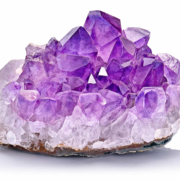
Amethyst, a variety of quartz in the rhombohedral crystal system, is formed by a captivating process involving silicon and oxygen. Its purple color is the result of the presence of iron and trace elements in the crystalline structure during its formation. When magma cools and transforms into rock cavities, the conditions are created for amethyst crystallization.
Rough Amethyste – Natural Beauty
Sources – Exploring the worldwide origins of Amethyst
Amethyst is mined in various parts of the world, with notable deposits in Brazil, Uruguay, Bolivia, Zambia, Madagascar and Russia. Each region brings distinct characteristics to amethyst, making it a prized gem in the world of jewelry.
Historical Significance of Amethyst – Through the Ages
Throughout history, amethyst has been of cultural importance, associated with nobility and spirituality. From ancient Egypt to ancient Greece to the present day, this gem has symbolized wisdom, spiritual enlightenment and royalty, making it highly prized and sought-after.
Metaphysical Properties of Amethyst – A journey into the spiritual realm
Amethyst is renowned for its metaphysical virtues, said to promote tranquility, balance emotions and enhance intuition. It is associated with the crown chakra, promoting a connection to higher consciousness. Many also believe that amethyst helps overcome addictions and negative behaviors.
Amethyst Varieties: Marketing or geology?
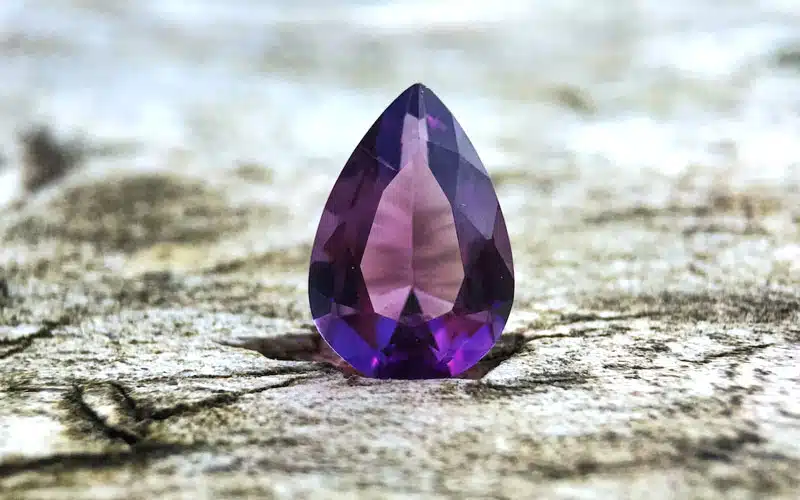
Amethyst is often referred to by various trade or popular names in the gemstone industry. Although these names do not represent actual geological varieties, they do describe certain characteristics or sources of amethyst:
- Siberian amethyst: A term historically used to describe a high-quality amethyst with an intense, brilliant purple color. The name “Siberian” was often associated with amethysts from Russia, but is now commonly used for any beautiful amethyst with a rich royal purple hue.
- Améthyste Rose de France: A popular trade name for a slightly violet variety of amethyst, sometimes with a delicate pink tinge. The name reflects its soft, rosy appearance rather than any specific geological origin.
- Ametrine: A captivating gem that combines amethyst and citrine in a single crystal, displaying areas of purple and yellow color. Ametrine is not a geological variety, but rather a unique phenomenon found in certain amethyst deposits.
- Uruguayan amethyst: Although not a geological variety, the name “Uruguayan amethyst” is often used to highlight amethysts from Uruguay, renowned for their deep, uniform purple color.
- Brazilian amethyst: A name widely used to describe Brazilian amethyst, which encompasses a whole range of violet shades, from light lavender to intense violet.
- Siberian blue amethyst: Another trade name used to describe a rare variety of amethyst that features a captivating blue-violet color. This name emphasizes the exceptional hue rather than its geological origin.
- Black amethyst: This is not a distinct variety, but rather a popular name given to certain dark purple amethysts, which appear almost black when viewed under specific lighting conditions, creating the illusion of a velvety, almost black appearance.
Colors of Amethyst – Lavender in all its shades
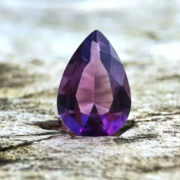
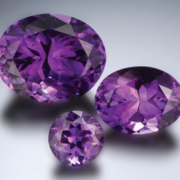
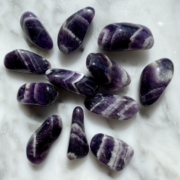
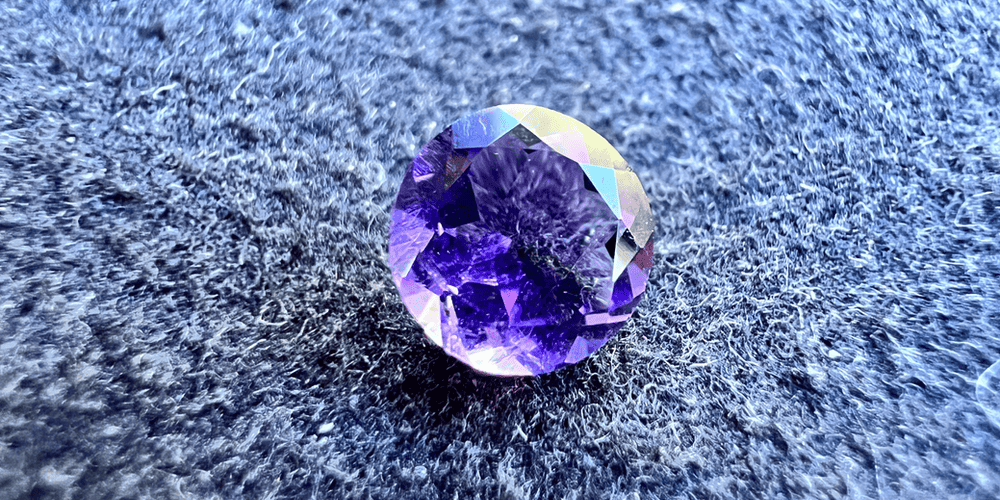
Amethyst’s color range varies from light lavender to deep violet, to near-black shades under specific lighting. The most prized specimens display a uniform distribution of color with no visible zoning or banding.
Durability and Wearability of Amethyst – A Gem that Endures
With a hardness rating of 7 on the Mohs scale, amethyst is relatively durable and suitable for a variety of jewelry pieces, including rings, pendants, earrings and bracelets. However, proper care is essential to protect amethyst from violent shocks, intense lighting and harsh chemicals, preserving its beauty over time.
Amethyst Improvements and Treatments – Heating
Amethyst is sometimes heat-treated to enhance its color, producing the deep violet shades required. This treatment is considered stable and widely accepted in the industry, provided it is disclosed to consumers.
Synthetic Amethyst – Nature in Laboratory
Synthetic amethyst is common on the market and has the same physical and chemical properties as natural amethyst, making it difficult to distinguish between the two without specialized equipment. However, the appeal and unique characteristics of natural amethyst continue to captivate gem lovers.
Amethyst imitations – Ensuring authenticity
Imitation amethysts, such as glass or scapolite, are available on the market. However, due to the abundance of amethyst, it is more common for these gems to be natural. Purchasing amethyst jewelry from reputable, certified gem dealers ensures its authenticity.
Amethyst Care – Preserving natural beauty
Proper care ensures the longevity and beauty of amethyst jewelry. Protect amethyst from prolonged exposure to sunlight, as this can cause discoloration. Avoid thermal shock and gently clean amethyst jewelry with warm, soapy water and a soft brush, avoiding ultrasonic and steam cleaning.