Amber: Properties, Uses and Virtues
Amber: A Dive into Prehistory
Amber, an enchanting organic gem, serves as a timeless link to Earth’s prehistoric history. With its warm hues and intriguing inclusions, amber has fascinated humans for centuries. Discover the geological origins, historical significance and metaphysical properties of this captivating gem.
Amber: Table of contents
- Geological Formation of Amber… or Copal?
- Rough Amber – Time Capsule from the Past
- Sources – Presence Mondiale de l’Ambre
- Historical Significance – Amber’s timeless appeal
- Metaphysical Properties of Amber – Harmony and Healing
- Colors of Amber – A Spectrum of Warmth
- Durability and Wearability of Amber – Organic resilience
- Synthetic Amber – Imitation Handicrafts
- Imitations of Amber – Ensuring authenticity
- Amber Care – Preserving Natural Beauty
Geological Formation of Amber… or Copal?
Amber, often called “fossilized resin”, is a unique gem formed from the resin of ancient trees. Over millions of years, the resin flowed from the trees and, through natural processes, became fossilized. The remarkable preservation of organic material in amber offers invaluable insights into the Earth’s ancient ecosystems and the creatures that inhabited them.
Copal is often confused with amber, the main difference being age.
Amber is over 30 million years old, while copal is more recent.
Rough Amber – Time Capsule from the Past
Raw amber pieces offer a glimpse into the past, amazingly preserving ancient flora and fauna in minute detail. These “time capsules” offer a glimpse of the world as it existed millions of years ago, with insects, plant matter and even small vertebrates perfectly preserved in their golden glow. Amber is rarely cut into facets and is usually polished for better viewing.
Sources – Presence Mondiale de l’Ambre
Amber is found in different parts of the world, with notable sources including the Baltic Sea region, the Dominican Republic and Mexico. Each source contributes unique specimens, displaying a range of colors and inclusions that offer insights into past landscapes and ecosystems.
Historical Significance – Amber’s timeless appeal
Amber occupies a unique place in history because of its bewitching beauty and the intriguing tales that surround it. Here are a few historical facts about amber:
- Ancient uses and symbolism :
Amber has been used by human civilizations for thousands of years. In ancient times, it was believed to possess mystical and protective properties. The ancient Greeks referred to amber as “elektron”, which eventually gave rise to the term “electricity” due to its ability to generate static electricity when rubbed. The Greeks also associated amber with the sun god Apollo, reinforcing its symbolic importance.
- Amber in Jewelry and Ornaments:
Amber has been used in jewelry and ornaments since the Stone Age. Archaeological findings suggest that beads and amber artifacts were traded in different parts of Europe and Asia. It was particularly popular with the Etruscans, Phoenicians and various Baltic cultures. Amber beads and pendants were often incorporated into elaborate jewelry designs, reflecting its value and aesthetic appeal.
- Healing and Magical Properties of Amber :
Throughout history, amber has been believed to possess various healing and magical properties. It was thought to have the ability to ward off evil spirits, protect against disease and improve vitality. Amber was often worn as an amulet or charm by individuals seeking its protective qualities.
- Amber’s role in Trade Routes :
Amber played a significant role in ancient trade routes. The Amber Route, a network of trade routes linking the Baltic Sea to the Mediterranean, facilitated the exchange of amber and other goods. This trading network stretched across Europe, fostering cultural exchange and economic development.
- The Role of Amber in Funeral Practices :
Amber artifacts have been discovered in burial sites from different cultures. The inclusion of amber in funerary practices testifies to its importance in these societies. It was often associated with rituals relating to the afterlife, protection and the journey of the deceased.
- Amber’s role in Art and Crafts :
Amber has been used in arts and crafts, not only for jewelry, but also for decorative objects, sculptures and intricate carvings. Its warm, radiant color and unique inclusions have made it a favorite material for craftsmen throughout history.
- Meaning Modern :
Today, amber continues to captivate collectors, craftsmen and jewelry enthusiasts. The popularity of amber jewelry, with its rich history and unique properties, endures as a testament to its enduring appeal.
Metaphysical Properties of Amber – Harmony and Healing
Amber is believed to possess metaphysical properties that promote harmony, healing and positive energy. It is considered a powerful purifier, helping to release negative emotions and promote mental clarity. Many also believe that wearing amber next to the skin can relieve stress, improve vitality and create a sense of well-being. Amber is often used as a teething necklace for babies.
Colors of Amber – A Spectrum of Warmth
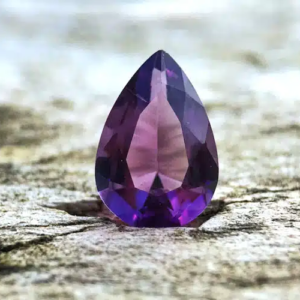
Amber’s colors cover a warm spectrum, from whitish to deep golden hues to rich reddish-brown tones. Exceptionally, blue to violet tones can be seen. These colors evoke a feeling of warmth and connection to the Earth, reflecting the gem’s origin and history.
Ambergris is not amber as such, but a substance created in the digestive system of sperm whales.
Durability and Wearability of Amber – Organic resilience
Amber is relatively soft compared to other gemstones, with a hardness of 2 to 2.5 on the Mohs scale. This organic gem requires careful handling and protection to avoid scratches and damage. Its softness, however, enables skilled craftsmen to create intricate carvings and designs that enhance amber’s natural beauty.
It can be heat-treated to darken its golden color. It can also be dyed. Inclusions in amber, such as ancient insects and plant matter, are cherished as integral parts of its natural beauty. These inclusions provide valuable scientific information and enhance the gem’s appeal to collectors and enthusiasts.
Synthetic Amber – Imitation Handicrafts
Synthetic amber as such does not strictly exist. However, there are many imitators on the market.
Imitations of Amber – Ensuring authenticity
Because of its popularity and historical significance, amber has faced imitations and treatments.
- Copal, a younger resin, is often confused with amber due to its similar appearance.
- Glass imitations can also be presented as amber.
- Ambroid is often used as amber, although it can be considered natural because the process involves pressing several pieces of natural amber together to fuse them.
- Plastics and resins are also widely used as amber imitations.
Buyers should be vigilant and consult reputable gem experts to guarantee the authenticity of their amber pieces. They should be particularly wary of unscrupulous vendors selling “prehistoric amber” with insect inclusions made of simple resin and dead mosquitoes.
Genuine included amber can be very expensive and is not usually found at low prices on popular sites.
Amber Care – Preserving Natural Beauty
Caring for amber jewelry is essential to preserve its natural beauty.
To avoid damage, keep amber away from direct sunlight and extreme temperatures.
Clean gently with a soft cloth and mild soap to maintain its shine.
Apply oils or lotions before wearing amber jewelry, and allow them to dry, as the stone can absorb them and break.
Never use mechanical cleaning tools or jewelry cleaning products.
Leave to dry out of direct sunlight.