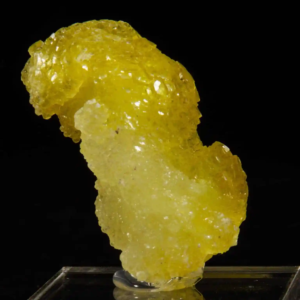
Yellow Jasper
Yellow Jasper is a variety of jasper, which is a form of chalcedony (a type of quartz). Jasper is typically opaque, and it comes in a wide variety of colors, including the warm, sunny hues found in Yellow Jasper. It is prized for its earthy colors and natural patterns, making it a popular choice for both beads and cabochons used in jewelry. Yellow Jasper, specifically, is known for its calming and stabilizing properties, both in metaphysical practices and in its aesthetic appeal.
Characteristics of Yellow Jasper:
- Color: As the name suggests, Yellow Jasper features a yellow to golden yellow hue. The color can range from soft pale yellow to a more intense, rich golden tone, sometimes with slight brown, tan, or even greenish streaks. Its color is typically earthy and warm, with natural variations and patterns that make each piece unique.
- Transparency: Yellow Jasper is typically opaque to translucent, meaning it doesn’t allow light to pass through easily, except in thinner pieces. The opacity adds to the stone’s solid, grounded nature and enhances its earthy appeal.
- Hardness: Yellow Jasper ranks at 6.5 to 7 on the Mohs scale of hardness, making it a relatively durable stone for jewelry. It’s harder than many other stones, so it is well-suited for daily wear, although it should still be handled carefully to avoid scratches or chips from harder materials.
- Luster: The stone has a waxy to glassy luster, depending on the polish. When polished, Yellow Jasper can have a soft, shiny finish, though it’s typically not as glossy as quartz or some other gemstones.
- Formation: Like all jaspers, Yellow Jasper forms as a microcrystalline mineral, with very fine crystals that are too small to be seen with the naked eye. Jasper typically forms in sedimentary rocks or as a result of volcanic activity, and its colors are influenced by the types of minerals present in the environment where it forms.
Formation and Occurrence:
Yellow Jasper, like other varieties of jasper, is commonly found in volcanic rocks, sedimentary deposits, and metamorphic rocks. It often forms in pockets or veins, where mineral-rich solutions flow into cavities and solidify over time, creating the colorful stone.
Some of the key sources of Yellow Jasper include:
- India, which is known for its abundant jasper deposits.
- Brazil, which is also a significant source of various jasper types.
- Africa and the United States, particularly in regions known for their rich mineral deposits.
While jasper is found in many parts of the world, the unique colors and patterns that make Yellow Jasper stand out are often specific to certain locations, adding to its appeal as a gemstone.
Uses:
Yellow Jasper is a popular stone for use in beads, cabochons, and tumbled stones. It is often used in jewelry-making for:
- Necklaces and bracelets, especially in beaded designs.
- Earrings (often as polished stones or cabochons in settings).
- Rings, particularly in boho or earthy designs.
- Amulets or pendants, where the stone can be polished or cut into unique shapes.
Its grounding energy and warm color also make it a favorite for decorative items, such as carvings or small sculptures. Jasper’s durability also allows it to be used for inlay work and ornamental designs in higher-end jewelry or artisanal crafts.
Symbolism and Healing Properties:
Yellow Jasper is traditionally associated with the solar plexus chakra, which is linked to personal power, confidence, and self-esteem. In metaphysical beliefs, Yellow Jasper is often thought to have the following properties:
- Grounding and Stabilizing: Yellow Jasper is believed to have a strong grounding energy, helping to stabilize emotions and bring a sense of balance and inner peace. It is said to be particularly useful for people who feel ungrounded or disconnected.
- Boosting Energy and Motivation: Because of its association with the solar plexus chakra, Yellow Jasper is thought to stimulate personal power, confidence, and motivation. It’s often used to boost energy levels and help overcome fatigue or sluggishness.
- Emotional Healing: Yellow Jasper is said to help with emotional healing, particularly by alleviating stress and anxiety. It is believed to provide support during difficult times and to encourage a positive, optimistic outlook.
- Physical Health: In some healing traditions, Yellow Jasper is thought to aid in digestion and strengthen the immune system. It’s considered a supportive stone for those recovering from illness or injury, helping to restore physical vitality.
- Protection: Some also believe Yellow Jasper offers protection, especially when traveling, and can help guard against negative energies or harmful influences.
Value and Rarity:
Yellow Jasper is typically an affordable semi-precious stone, though its value can depend on factors like color intensity, patterning, and size. While jasper is relatively abundant, higher-quality specimens with vibrant or unique patterns, including the golden yellow variety, can command a slightly higher price.
- Affordable Price: Yellow Jasper is generally accessible in the market and is not considered rare or expensive compared to other gemstones like sapphires or diamonds.
- Rarity: While it is not considered rare, high-quality Yellow Jasper with striking, vibrant colors or unusual patterns can be more valuable to collectors.
Care and Maintenance:
Yellow Jasper is a durable stone but should be treated with care to maintain its beauty and prevent damage:
- Cleaning: Clean Yellow Jasper with mild soap and water and a soft cloth. Avoid using harsh chemicals or ultrasonic cleaners, as they can damage the stone’s surface.
- Storage: Because Yellow Jasper can be scratched by harder stones, store it separately from other jewelry, ideally in a padded box or soft pouch.
- Avoid Extreme Temperatures: While Yellow Jasper is durable, it’s still best to avoid exposing it to extreme temperatures or sudden temperature changes.
Yellow Jasper’s grounding and energizing properties, along with its warm, golden hue, make it an appealing choice for both its aesthetic beauty and metaphysical qualities. Whether in jewelry or decorative pieces, it is a versatile and accessible stone that carries both spiritual and emotional benefits.
Would you like to explore more about its healing properties or how to incorporate Yellow Jasper into specific designs?