Thulite
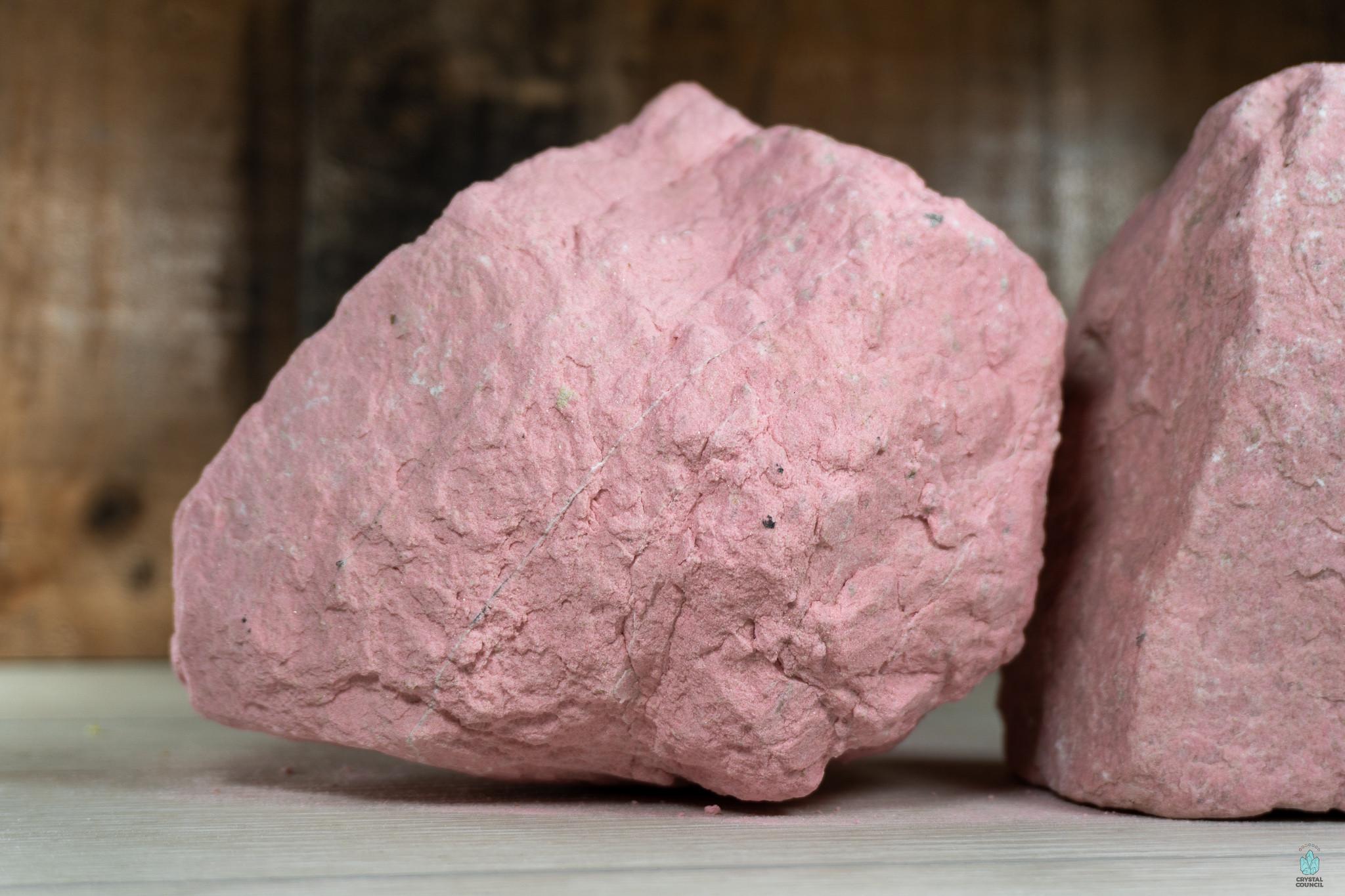
Thulite is a variety of the mineral zoisite known for its striking pink color. The pink hue is primarily due to manganese ions replacing calcium in the mineral’s structure. In terms of composition, thulite is a calcium aluminum silicate mineral. Like other zoisite varieties, it shares the chemical formula Ca2Al3(SiO4)3(OH)Ca2Al3(SiO4)3(OH).

Historically, thulite holds a relatively modest place compared to gems like diamonds or rubies, but it has cultural significance in the areas where it is found, particularly in Norway, where it was first discovered in 1820. Named after the mythical island of Thule, which many Scandinavian scholars believed to be Norway, thulite has been used in jewelry and as a carving stone. Its vibrant color and ease of carving make it popular for decorative objects and artisanal jewelry. Thulite is also recognized in geological and mineralogical circles for its unique properties and its role in illustrating the geochemical processes that affect zoisite minerals.
Contents
- Physical Properties of Thulite
- Formation and Sources of Thulite
- Uses of Thulite
- Jewelry
- Decorative Objects
- Healing and Metaphysical Uses
- Educational and Collectible
- Artisanal Crafts
Physical Properties of Thulite

Thulite has several notable physical properties that make it interesting to collectors and useful for various applications, particularly in ornamental and jewelry settings.
Color Variations
The most distinctive feature of thulite is its color, ranging from a deep rosy pink to a lighter pinkish hue. This coloration is due to the presence of manganese replacing calcium in its crystal structure. Sometimes, the stone may have white or gray streaks, which are usually areas with less manganese and more calcite or quartz inclusions.
Crystal Structure
Thulite belongs to the orthorhombic crystal system, characteristic of the zoisite family. The crystals are typically prismatic and can form in both large, distinct crystals and dense, fibrous aggregates. This structural variation contributes to its diverse appearance and the different ways it can be cut and used.
Hardness and Durability
On the Mohs scale of mineral hardness, thulite ranks at about 6 to 6.5, which makes it reasonably scratch-resistant but not as hard as many other popular gemstones like quartz or sapphire. Its relative softness means it can be carved with ease, making it popular for detailed ornamental work. However, this also means it is more susceptible to wear and tear, particularly in forms like rings or bracelets that are prone to bumping or scraping. Thulite’s durability is decent, but care should be taken when wearing or handling it to avoid damage.
These properties collectively contribute to thulite’s appeal, particularly in the realms of gemstone collecting and jewelry, where its unique color and ease of carving are highly valued.
Formation and Sources of Thulite

Geological Formation
Thulite is formed through regional metamorphism, a process where rock minerals and textures are transformed due to high pressure and temperature without melting. It typically forms in metamorphic rocks such as schists and gneisses. The presence of manganese, which is essential for giving thulite its characteristic pink color, occurs when manganese-rich fluids permeate these rocks during metamorphism.
The formation environment for thulite is often associated with areas rich in sedimentary rocks that have undergone significant geological changes. These changes create the necessary conditions for zoisite to incorporate manganese and transform into thulite.

Primary Mining Locations
Thulite is not as widely mined as more common minerals, and its primary sources remain relatively limited:
- Norway: The original and most significant source of thulite is Norway, specifically in areas such as Leksvik and Tørdal in the Telemark region. Here, it is found in sufficient quantities and quality to be used both as a gemstone and for ornamental purposes. Norway regards thulite as its national stone, highlighting its cultural significance.
- United States: In the US, thulite has been found in small quantities in North Carolina, where it occurs alongside other metamorphic minerals.
- Australia: There are also some deposits in Western Australia, where thulite occurs in similar geological settings.
Other smaller occurrences of thulite have been reported in various parts of the world, but these are typically not significant commercial sources. The limited and specific conditions required for its formation make thulite a rarer and more localized gemstone compared to those found in more widespread mineral groups. This rarity can increase the interest and value of thulite among collectors and enthusiasts.
Uses of Thulite

Thulite is prized for its aesthetic appeal and versatility, leading to several distinct uses, particularly in the realms of jewelry making, decorative arts, and metaphysical practices:
Jewelry
Due to its striking pink color, thulite is a popular choice for various types of jewelry. It is commonly fashioned into beads, cabochons, and intricate carvings, which are used in necklaces, earrings, bracelets, and brooches. Thulite’s relative softness (6 to 6.5 on the Mohs scale) makes it suitable for detailed carving but also means it should be set in protective settings or used in pieces that are subject to less wear.
Decorative Objects
Thulite’s ease of carving and vibrant color makes it ideal for crafting ornamental objects such as sculptures, boxes, vases, and inlays in furniture. These items are often valued for their visual appeal and the uniqueness of the stone.
Healing and Metaphysical Uses
In metaphysical circles, thulite is believed to have several healing properties. It is often associated with enhancing emotional healing, fostering compassion, and promoting expressions of love. As such, it is sometimes used in crystal healing as a tool to support personal development and emotional exploration.
Educational and Collectible
In geological and educational contexts, thulite serves as an excellent example of the impact of chemical elements (like manganese) on the coloration and type variation within mineral species. It’s also a popular item among mineral collectors due to its rarity and specific regional origins.
Artisanal Crafts
Thulite is also used in artisanal crafts, where its unique color and texture are appreciated. It can be seen in custom-made artisan jewelry, small-scale sculpture work, and in craft segments that emphasize unique, natural materials.
Each of these uses reflects the combination of thulite’s physical properties and its aesthetic value, making it a multifaceted stone with applications that range from the practical and artistic to the esoteric.