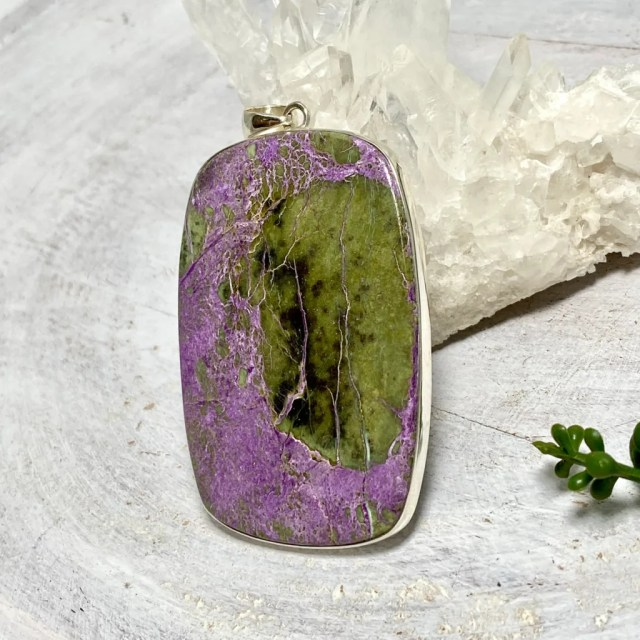
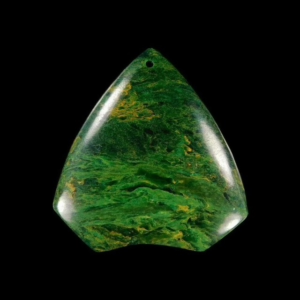
The Name: “Tasmanite” could be named after the Tasman Sea, a body of water that lies between Australia and New Zealand. Perhaps the gem or substance was first discovered in the depths of the sea or in ancient ruins on islands in this region.
Creation: Alternatively, Tasmanite might have originated from a rare celestial event, like the impact of a comet or asteroid in the ancient past, resulting in the creation of a new mineral or gem. It could be linked to cosmic forces or otherworldly influences.
Appearance:
Color and Texture: Tasmanite might be a dark, opaque stone with swirling patterns of blue and green, resembling the shifting colors of the ocean. It could also have a reflective surface, catching light in strange ways, making it appear as though it contains a living, moving energy inside.
Form: It could take the form of rough stones, polished gems, or even crystalline shards, each with its own unique properties and effects.
Properties of Tasmanite:
Elemental Control (Water and Air):
Aquatic Powers: The core property of Tasmanite might be tied to water manipulation. It could grant its possessor the ability to control tides, summon storms, or even communicate with sea creatures. Its power is especially potent when near large bodies of water.
Air Manipulation: It could also influence the wind, allowing users to create gusts, control air currents, or even generate powerful storms in the atmosphere.
Energy Absorption and Amplification:
Energy Conduction: Tasmanite could absorb and store vast amounts of energy, whether from solar radiation, electrical currents, or even from the natural movements of the Earth. It could be used as a limitless power source, especially in areas with unstable energy grids.
Energy Amplification: Not only does it store energy, but it can also amplify it. When activated, it can release this stored energy in powerful bursts or channel it into weapons, machinery, or other technological innovations.
Time Distortion:
Temporal Properties: Tasmanite could be tied to the manipulation of time itself. Small fragments might allow for brief glimpses into the past or future, or even alter the flow of time within a limited area.
Time Relics: Ancient civilizations might have used Tasmanite to craft time-altering relics, which have since been lost or scattered, becoming objects of great interest to explorers or adventurers.
Healing and Longevity:
Restorative Power: Like Atlantasite, Tasmanite could have healing properties. It could accelerate the body’s natural healing processes or regenerate tissue. Some legends may claim that prolonged exposure to Tasmanite extends life or preserves youth, though at a cost, perhaps drawing on the life force of others.
Cursed Immortality: The longer someone uses Tasmanite to heal themselves, the more their body becomes attuned to its power—eventually transforming them into something less than human, or requiring them to feed on the energy of others to sustain their vitality.
Cultural Significance:
Mythical and Legendary Status:
The Lost Kingdom of Tasmania: Perhaps there’s a myth surrounding the gem, linking it to a lost civilization or kingdom that once thrived on the island of Tasmania (or a fictionalized version of it). According to the story, this kingdom fell when they misused Tasmanite, causing catastrophic floods or storms.
Oceanic Deities: Tasmanite could be considered a gift from the ocean gods or celestial beings, linked to both the sky and the sea. It could be revered as sacred in various cultures, particularly those near water bodies.
Factions and Seekers:
The Seafolk: A group of maritime peoples, sailors, and ocean-dwelling creatures who believe that Tasmanite is a divine gift. They could be the guardians of these stones or have the ability to call upon their elemental powers when wielded.
The Temporal Guild: A secret society dedicated to controlling the flow of time. They believe that with the full power of Tasmanite, they can rewrite history or influence future events.
The Technocrats: A group of engineers and scientists who seek to use Tasmanite as the cornerstone for a new era of energy production and technological advancement. However, their use of it might be more mechanical than spiritual, risking the discovery of its darker side.
The Conflict Over Tasmanite:
The Search for the Lost Stones:
Adventurers, explorers, and treasure hunters may seek out ancient ruins or sunken cities in hopes of finding Tasmanite relics, either for personal gain or to unlock its full potential.
Some might search for it to prevent its misuse, while others want it for world domination or personal immortality.
The Balance of Power:
The presence of Tasmanite might shift the balance of power between nations, factions, or cultures. It could become the central point of geopolitical tension, as those with control over it could dominate trade routes, manipulate the weather, or power vast machines.
Environmental Consequences:
If Tasmanite’s power is overused or exploited, it could have disastrous effects on the environment, triggering massive storms, flooding, or even altering the course of natural processes like the ocean’s currents or the atmosphere’s balance.
https://www.icia.uk/wp-content/uploads/2022/02/image-211.avif640640ICIA Media Centerhttps://www.icia.uk/wp-content/uploads/2026/11/icia-logo-600-250.avifICIA Media Center2024-12-13 02:38:382024-12-15 03:17:24Tasmanite