Swarovski Crystal
Swarovski Crystal is a renowned and highly distinctive type of crystal that has become synonymous with elegance, luxury, and precision craftsmanship. Here’s a comprehensive look at it:
History and Background
- Founding and Legacy: Swarovski was founded in 1895 by Daniel Swarovski, an Austrian entrepreneur and inventor. He was a pioneer in the field of crystal cutting, having developed a revolutionary machine that could cut crystals with unprecedented precision. This innovation enabled the production of crystals with a level of sparkle and brilliance that was not previously achievable, setting the foundation for the brand’s success and its unique identity in the world of luxury goods.
- Evolution Over Time: Since its inception, Swarovski has continuously evolved, expanding its product range from simple crystal components to a vast array of finished products, including jewelry, home decor items, figurines, and accessories. The brand has also been at the forefront of collaborating with fashion designers, artists, and various industries to integrate its crystals into diverse creative projects, further enhancing its reputation and global reach.
Manufacturing Process
- Raw Materials: Swarovski Crystal starts with a special proprietary glass formula. While the exact composition is a closely guarded secret, it is known to include high-quality silica (sand), along with other carefully selected minerals and additives. These ingredients are combined in precise proportions to create a base material that has the desired optical, physical, and chemical properties necessary for achieving the signature Swarovski look.
- Melting and Forming: The raw materials are melted in state-of-the-art furnaces at extremely high temperatures. Once in a molten state, the glass is carefully shaped using advanced techniques. It can be blown into various forms or drawn into rods and tubes for further processing. This initial shaping is done with great precision to ensure uniformity and the correct dimensions for subsequent cutting and finishing steps.
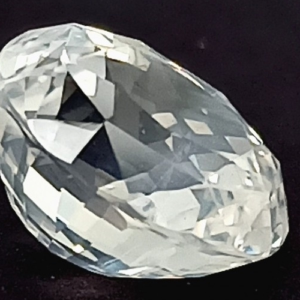
- Cutting and Faceting: The cutting process is where Swarovski truly stands out. Skilled artisans, often using highly specialized cutting machines that have been refined over decades, apply intricate faceting patterns to the crystals. The facets are cut at specific angles and depths to optimize the way light enters, reflects, and refracts within the crystal. This results in an extraordinary display of sparkle and brilliance that is characteristic of Swarovski Crystal. The number of facets can vary depending on the product, with some complex designs having dozens or even hundreds of facets.
- Coating and Finishing: After cutting, Swarovski crystals may undergo additional processes such as coating. This can involve applying thin layers of special materials to enhance the color, add a particular sheen, or improve durability. For example, some crystals are coated to create an iridescent effect or to give them a metallic look. The finishing touches also include careful polishing to ensure a smooth and flawless surface, further enhancing the overall aesthetic appeal.
Characteristics
- Exceptional Sparkle: Swarovski Crystal is renowned for its unrivaled sparkle and brilliance. The precise faceting and high refractive index of the crystals cause light to be dispersed in a dazzling array of colors and directions. When light hits a Swarovski crystal, it seems to come alive, creating a mesmerizing visual effect that makes it stand out whether it’s used in a piece of jewelry or as part of a decorative item.
- High Quality and Consistency: The brand is known for maintaining extremely high quality standards. Each crystal is carefully inspected to ensure it meets the strict criteria for clarity, cut, and overall appearance. This consistency means that consumers can expect the same level of excellence across different Swarovski products, whether they’re purchasing a pair of earrings or a large crystal chandelier.
- Versatility in Design: Swarovski crystals come in a vast array of shapes, sizes, and colors. From tiny beads used in delicate jewelry to large, faceted stones for statement pieces, and from classic clear crystals to vibrant colored ones, the design possibilities are nearly endless. This versatility allows designers to incorporate Swarovski crystals into a wide variety of creative projects, from haute couture fashion to modern home decor.
Applications
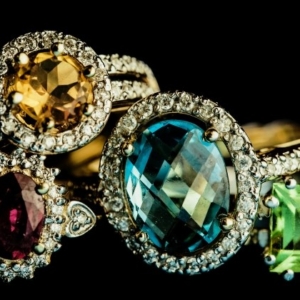
- Jewelry: Swarovski Crystal is a staple in the jewelry industry. It is used in necklaces, bracelets, earrings, rings, and other adornments to create both affordable costume jewelry and high-end luxury pieces. For example, a Swarovski crystal necklace might feature a cascading design of different-sized crystals, creating a glamorous and eye-catching look that can be worn for special occasions or to add a touch of elegance to everyday wear.
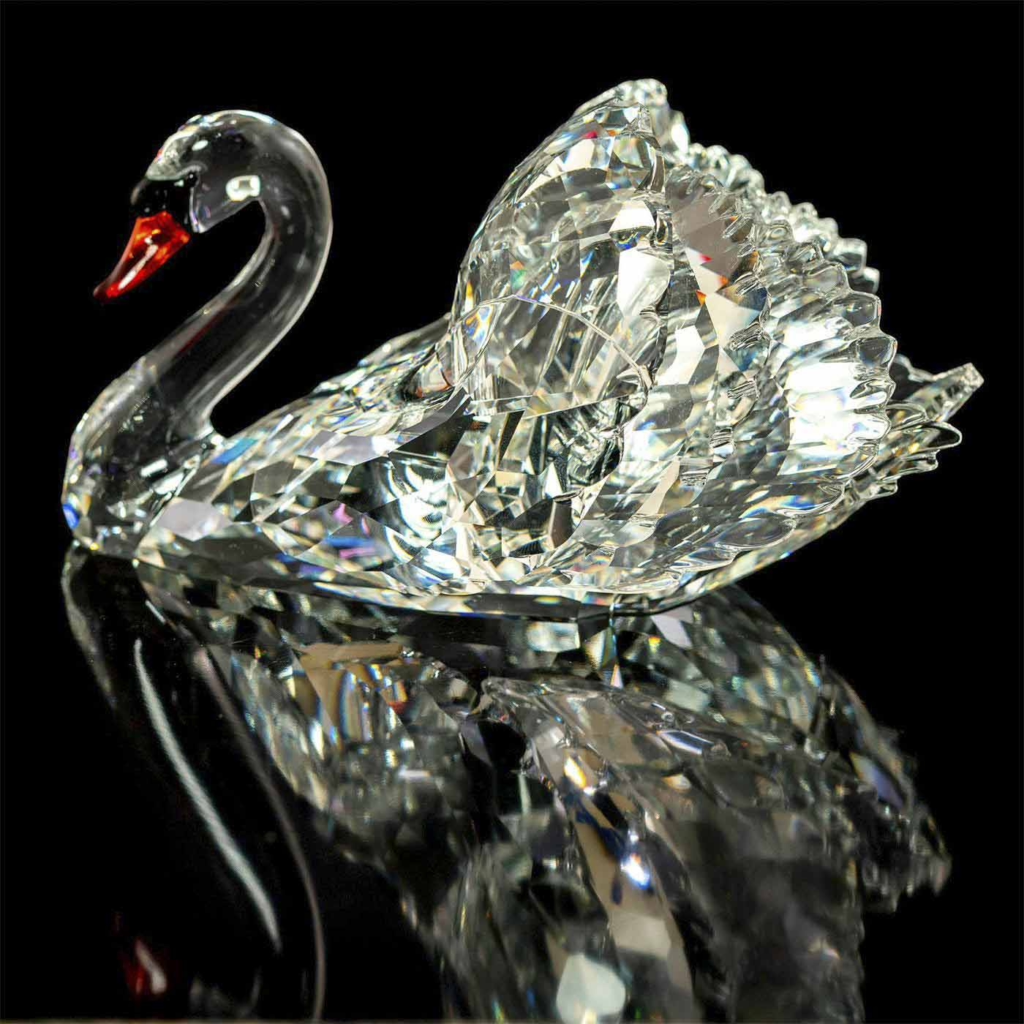
- Home Decor: In the realm of home decor, Swarovski crystals are used in various ways. They can be found in crystal chandeliers that transform the ambiance of a room with their luxurious sparkle. Crystal figurines, such as those depicting animals or abstract art forms, serve as beautiful decorative accents on mantelpieces or display cabinets. Vases and bowls made with Swarovski crystals also add a touch of sophistication to dining tables or living rooms.
- Fashion and Accessories: The brand collaborates extensively with fashion designers to incorporate its crystals into clothing, shoes, handbags, and other accessories. Swarovski crystals can be used to create embellishments on dresses, adding a touch of glamour to runway looks. They are also used on belts, clutch purses, and even on the soles of shoes to make a statement and enhance the overall aesthetic of the fashion item.
- Art and Collectibles: Swarovski produces limited-edition crystal figurines and collectibles that are highly sought after by collectors. These pieces often feature intricate designs and unique themes, and their value can appreciate over time. They are also used in art installations and sculptures, where the crystals’ ability to play with light and create visually stunning effects is exploited to create immersive artistic experiences.
Brand Reputation and Global Impact
- Prestige and Recognition: Swarovski has built a global reputation for luxury and quality. It is recognized worldwide as a leader in the crystal industry, and its products are associated with elegance, sophistication, and style. The brand’s logo, a swan, is easily identifiable and has come to symbolize the premium nature of its offerings.
- Influence on Fashion and Design: Swarovski’s influence extends far beyond the production of crystals. It has played a significant role in shaping fashion trends over the years by providing designers with a high-quality and visually appealing material to work with. Its collaborations with top fashion houses have led to the integration of crystal embellishments in many iconic looks, influencing what is considered stylish and glamorous in the fashion world.
Comparison with Other Crystals
- Compared to Natural Crystals: Unlike natural crystals that are formed through geological processes in the earth’s crust, Swarovski Crystal is a man-made product. Natural crystals have unique internal structures and variations that give them distinct physical and chemical properties. For example, gemstones like diamonds, emeralds, and rubies have specific hardness levels and inclusions that are characteristic of their natural formation. Swarovski Crystal, on the other hand, offers a more consistent and predictable appearance in terms of clarity, sparkle, and color, and it can be produced in a wider variety of shapes and designs due to the manufacturing process.
- Compared to Other Cut Glass or Man-Made Crystals: While there are other types of cut glass and man-made crystals on the market, Swarovski Crystal distinguishes itself through its proprietary manufacturing techniques, precision cutting, and the brand’s reputation for quality. Other cut glass products may not achieve the same level of sparkle or may lack the consistent quality control that Swarovski enforces. Austrian crystal, for example, is also a type of high-quality cut glass but may not have the same level of precision and brand recognition as Swarovski Crystal in certain respects.
In summary, Swarovski Crystal is a remarkable creation that combines innovative manufacturing, exceptional quality, and a luxurious aesthetic, finding wide application in jewelry, home decor, fashion, and art, and maintaining a prestigious position in the global luxury market.