Scapolite
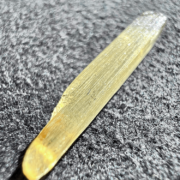
Scapolite is a relatively lesser-known silicate mineral that belongs to the feldspathoid group. It is commonly found in metamorphic and igneous rocks and is known for its variable colors, which can range from colorless, white, yellow, violet, green, to even brown or pink. The yellow variety of scapolite is one of the more popular options, especially in gemstone form, due to its bright and striking appearance. It is often used in jewelry, although its softness means it requires careful handling. Scapolite’s interesting crystal structure and diverse color range make it a unique gemstone for collectors and jewelry enthusiasts.
Characteristics of Scapolite:
- Color: Scapolite comes in a range of colors, including yellow, violet, green, colorless, and brown. The yellow scapolite is the most well-known variety, exhibiting a bright, pale to deep yellow hue. The color can vary depending on trace elements within the crystal, such as iron for yellow shades or manganese for pinkish hues.
- Transparency: Scapolite is typically transparent to translucent. It often has a glass-like appearance, particularly in its more transparent forms, and can sometimes exhibit a slight cloudiness or inclusions.
- Hardness: On the Mohs scale of hardness, scapolite ranges from 5.5 to 6. This makes it relatively soft compared to other gemstones like sapphires or diamonds, so while it is suitable for jewelry, it should be treated with care to avoid scratches or damage.
- Luster: Scapolite exhibits a vitreous (glass-like) luster when polished, which contributes to its appeal in gemstone form. Its shiny surface, combined with its transparent nature, allows the light to reflect off the stone beautifully, particularly when cut into faceted gemstones.
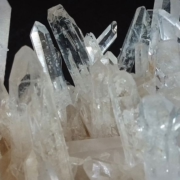
- Crystal Structure: Scapolite typically forms in prismatic or tabular crystals, which can be elongated or blocky in appearance. It often occurs in granular aggregates or massive forms and may show a tendency to form in parallel growths or fibrous textures. Scapolite crystals can be transparent, although many specimens are translucent or cloudy.
- Chemical Formula: The chemical formula for scapolite is generally expressed as (Na,Ca)(Al,Si)₄O₈Cl. There are different varieties of scapolite, including meionite and marialite, which vary slightly in their chemical composition and color.
Formation and Occurrence:
Scapolite typically forms in metamorphic rocks, particularly in contact metamorphic environments where high heat and pressure cause changes in existing rocks. It can also form in igneous rocks, particularly those that are rich in aluminum, like granites or syenites.
Some of the key locations where scapolite, including yellow scapolite, is found include:
- Brazil: Particularly in the Minas Gerais region, which is known for producing high-quality yellow scapolite crystals.
- Myanmar (Burma): Known for producing fine yellow scapolite crystals, sometimes found as part of a larger gem deposit.
- Afghanistan: Another significant source of high-quality scapolite crystals, often in greenish or yellow hues.
- Tanzania: Scapolite has been discovered in the East African region, including deposits found alongside other gemstones like garnet and tourmaline.
- United States: Smaller deposits of scapolite can also be found in regions such as California and New York, though high-quality yellow scapolite is less common.
Uses:
Scapolite is used primarily as a gemstone due to its attractive color, transparency, and relative rarity. However, its relatively low hardness limits its use in jewelry for everyday wear. Some key uses of yellow scapolite include:
- Jewelry: Yellow scapolite is often cut into faceted stones or cabochons for use in rings, necklaces, earrings, and pendants. It is especially popular for those who prefer unusual or less mainstream gemstones. However, due to its softness, it is more suitable for occasional wear rather than daily jewelry items like rings or bracelets.
- Gemstone Collections: Scapolite is also valued by mineral collectors for its attractive appearance and varied colors. High-quality crystals with well-formed shapes are often preserved as mineral specimens.
- Decorative Items: Although less common, scapolite may be used in small decorative objects or sculptures, particularly for those who appreciate unique and rare stones.
Symbolism and Healing Properties:
While scapolite is not one of the most widely known healing stones, it is still believed to have certain metaphysical properties that can be beneficial for personal growth and well-being. Some of the properties attributed to scapolite, especially yellow scapolite, include:
- Mental Clarity: Yellow scapolite is believed to aid in mental clarity and focus, making it useful for decision-making and problem-solving. Its bright, uplifting energy is thought to clear the mind and encourage a clearer state of thinking, especially in times of stress or confusion.
- Spiritual Growth and Development: Scapolite, particularly in its yellow form, is associated with the solar plexus chakra, which governs personal power, self-esteem, and emotional balance. It is said to support spiritual growth, helping to clear blockages in the chakra and fostering a sense of confidence and empowerment.
- Self-Expression: Some people use scapolite to enhance their ability to express themselves, both verbally and emotionally. It is thought to promote open communication, helping the wearer articulate thoughts and feelings with greater ease.
- Release of Negative Energy: Scapolite is believed to help release negative energies and emotional blockages, making it a useful stone for those who are undergoing significant emotional or psychological shifts. It is said to help individuals let go of old patterns and toxic attachments.
- Abundance and Prosperity: Some practitioners associate yellow scapolite with prosperity and manifestation. Its bright, cheerful energy is thought to attract abundance and success, making it a helpful stone for those involved in creative or entrepreneurial pursuits.
Value and Rarity:
Scapolite is generally not as expensive as high-end gemstones like diamonds, sapphires, or rubies, but high-quality yellow scapolite can be quite valuable. The value of scapolite depends on the following factors:
- Color: The most vibrant and pure yellow varieties are the most valuable. The intensity and clarity of the yellow color play a significant role in determining price.
- Clarity: Specimens that are clear and free from inclusions or internal fractures are considered more valuable.
- Size: Larger, well-formed crystals with good color and transparency can command a higher price, especially if they are used in jewelry or as collector’s items.
- Origin: Scapolite from well-known locations, such as Brazil or Myanmar, may be valued higher due to their reputation for producing high-quality gemstones.
Care and Maintenance:
Due to its moderate hardness (5.5 to 6 on the Mohs scale), scapolite requires careful handling to avoid scratches or chips:
- Cleaning: Clean scapolite with warm, soapy water and a soft cloth. Avoid harsh chemicals or ultrasonic cleaners that could damage the stone. It is also important to avoid exposure to extreme heat or chemical exposure.
- Storage: Store scapolite separately from harder gemstones to prevent scratching. A soft pouch or padded jewelry box is ideal for protecting the stone.
- Impact: Scapolite can be prone to chipping or breaking under pressure, so avoid wearing it in situations where it might be exposed to heavy impacts or abrasion.
Yellow Scapolite is a unique gemstone that offers both aesthetic beauty and metaphysical properties. Its soft, bright yellow color and vitreous luster make it a standout choice for those looking for a less conventional stone in their jewelry collection. While it is not as widely used as some more durable gemstones, its distinctive charm, combined with its calming and uplifting energy, makes it an appealing choice for both collectors and those seeking spiritual growth.
Would you like more details about how to incorporate yellow scapolite into jewelry designs or explore its metaphysical applications further?