Pink Chalcedony
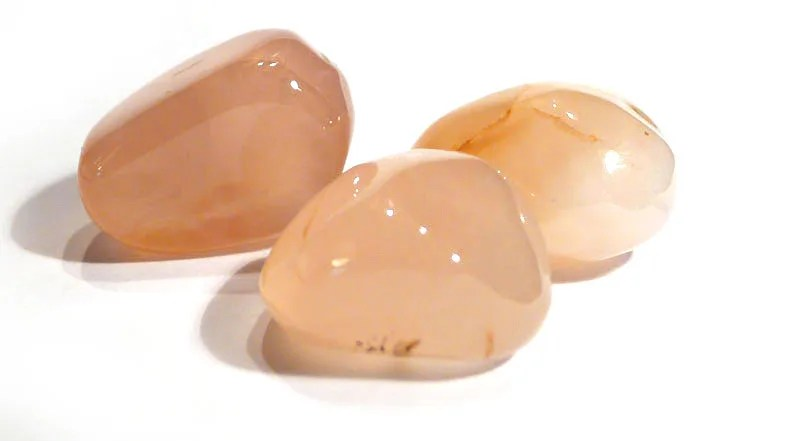
Pink Chalcedony is a beautiful and popular variety of chalcedony, which is a type of microcrystalline quartz. It is known for its delicate pink to pale pink coloration, which can range from soft pastel shades to deeper hues. This gemstone has gained popularity in the world of jewelry and is often used in various accessories, such as necklaces, bracelets, and earrings, due to its appealing color and soothing appearance.

Formation: Pink Chalcedony, like other chalcedony varieties, forms through a combination of processes involving the deposition of silica-rich solutions in cavities or fractures of rocks. The following steps typically contribute to the formation of Pink Chalcedony:
- Precipitation: Silica-rich fluids, often derived from the dissolution of surrounding rocks, infiltrate into open spaces within host rocks. These spaces can be found in volcanic rocks, sedimentary rocks, or other geological formations.
- Microcrystalline Growth: As the silica-rich solutions cool and solidify, tiny quartz crystals start to grow within the cavities or fractures. These crystals are too small to be seen with the naked eye, resulting in a microcrystalline structure.
- Coloration: The pink coloration in Pink Chalcedony is usually attributed to the presence of trace amounts of iron or manganese within the quartz structure. These impurities give the gemstone its characteristic pink or rose-colored appearance.
- Agate Banding: In some cases, Pink Chalcedony can exhibit banding patterns, which are created by the alternating deposition of different mineral phases. When these bands are present, the gemstone is often referred to as Pink Agate Chalcedony.

Pink Chalcedony is valued not only for its attractive appearance but also for its reputed metaphysical properties. It is believed to promote emotional balance, kindness, and compassion, making it a popular choice for those interested in crystal healing and holistic practices. Whether appreciated for its aesthetics or its metaphysical qualities, Pink Chalcedony continues to be a sought-after gemstone in the world of jewelry and gem enthusiasts.
Contents
- Physical Characteristics
- Mineral Composition
- Sources and Locations
- Uses of Pink Chalcedony
Physical Characteristics

Pink Chalcedony, like other chalcedony varieties, possesses distinct physical characteristics that make it unique and visually appealing. Here are some of its key physical properties:
- Color: Pink Chalcedony is known for its delicate pink to pale pink coloration. The color can vary from soft pastel shades to deeper, more vibrant pinks. This gemstone’s hue is typically attributed to trace impurities of iron or manganese within the quartz structure.
- Transparency: Pink Chalcedony is typically translucent to semi-translucent, allowing light to pass through it. This transparency enhances its appeal and gives it a subtle glow when properly cut and polished.
- Luster: It exhibits a waxy or vitreous (glass-like) luster when polished, which contributes to its overall shine and attractiveness as a gemstone.
- Hardness: Pink Chalcedony has a Mohs hardness rating of 6.5 to 7 on the Mohs scale, indicating good durability. It is reasonably resistant to scratching and abrasion, making it suitable for use in jewelry.
- Crystal Structure: Like all chalcedony varieties, Pink Chalcedony has a microcrystalline structure, meaning its crystals are too small to be seen with the naked eye. It forms in cryptocrystalline aggregates, giving it a smooth and even texture.
- Fracture: It has a conchoidal fracture, meaning it breaks with smooth, curved surfaces that resemble the inside of a seashell. This fracture type is a characteristic feature of chalcedony.
- Transparency: Pink Chalcedony typically lacks visible cleavage planes, which means it doesn’t break along specific flat planes like some other minerals.
- Streak: Its streak, the color left behind when scratched on a porcelain streak plate, is typically white.
These physical characteristics collectively contribute to Pink Chalcedony’s appeal and desirability as a gemstone in the world of jewelry and adornment. Its lovely pink color, along with its durability and translucent quality, makes it a popular choice for crafting various jewelry pieces, from pendants and earrings to rings and bracelets.
Mineral Composition

The mineral composition of Pink Chalcedony is primarily made up of silicon dioxide (SiO2), which is the chemical compound for quartz. Chalcedony is a type of microcrystalline or cryptocrystalline quartz, meaning that its crystal structure consists of extremely small, tightly packed quartz crystals that are not individually visible to the naked eye. Pink Chalcedony gets its unique pink or rose-colored appearance from trace impurities within this quartz matrix, particularly iron or manganese.
In addition to silicon dioxide, Pink Chalcedony may also contain minor amounts of other elements and minerals, depending on its specific geological environment. These impurities can contribute to variations in color and appearance within different specimens of Pink Chalcedony.
It’s important to note that chalcedony is a broad term that encompasses various cryptocrystalline forms of quartz, and Pink Chalcedony is just one of the color variations within this category. The pink coloration distinguishes it from other chalcedony varieties like blue chalcedony, agate, carnelian, and others, which have their unique mineral compositions and colors.
Sources and Locations

Pink Chalcedony can be found in various locations around the world, often in regions with geological conditions conducive to the formation of chalcedony. Here are some notable sources and locations where Pink Chalcedony is known to be found:
- Brazil: Brazil is one of the most well-known sources of Pink Chalcedony. The state of Minas Gerais, in particular, is famous for producing high-quality Pink Chalcedony specimens. Brazilian Pink Chalcedony is often highly regarded for its color and clarity.
- Madagascar: Madagascar is another significant producer of Pink Chalcedony. The gemstone is commonly found in different regions of Madagascar, including areas around Antsirabe and Ilakaka. Madagascar is known for its diverse range of gem-quality chalcedony.
- United States: Pink Chalcedony can also be found in the United States, primarily in the states of Oregon and California. The Pink Chalcedony from these regions is often associated with lapidary art and is used in jewelry-making.
- India: India is known for its rich deposits of various gemstones, including Pink Chalcedony. Rajasthan, in particular, has been a source of Pink Chalcedony.
- Namibia: The African nation of Namibia is home to some Pink Chalcedony deposits, notably in the Goboboseb Mountains region.
- Mexico: Mexico has also produced Pink Chalcedony, primarily in the state of Chihuahua. Mexican Pink Chalcedony is known for its attractive colors.
- Other Locations: Pink Chalcedony can be found in various other countries, such as Russia, Uruguay, and Tanzania, although it may not be as commonly mined or as widely available as in the previously mentioned sources.
These locations are just some of the known sources of Pink Chalcedony, and the gemstone’s availability may vary in terms of quantity, quality, and color intensity from one location to another. Gemstone enthusiasts and collectors often seek Pink Chalcedony specimens from these regions for their distinctive beauty and metaphysical properties.
Uses of Pink Chalcedony

Pink Chalcedony is a versatile gemstone that has various uses, both in the world of jewelry and in metaphysical and holistic practices. Here are some common uses of Pink Chalcedony:
- Jewelry: Pink Chalcedony is highly valued in the jewelry industry for its attractive pink color and smooth, polished appearance. It is commonly used to create a wide range of jewelry pieces, including necklaces, earrings, rings, bracelets, and pendants. Jewelry designers and enthusiasts appreciate its soft and soothing appearance, making it suitable for both casual and formal wear.
- Healing and Metaphysical Properties: Pink Chalcedony is believed to possess metaphysical and healing properties. It is often associated with promoting emotional balance, inner peace, and compassion. Some people use Pink Chalcedony in meditation or energy healing practices to enhance feelings of love and kindness, reduce stress, and encourage positive energy flow.
- Crystal Grids: Pink Chalcedony can be incorporated into crystal grids, which are arrangements of crystals used for various intentions, such as love, healing, or protection. It is commonly chosen for grids related to matters of the heart and emotional well-being.
- Decorative Items: Pink Chalcedony’s pleasing color and texture make it suitable for decorative items such as figurines, carvings, and ornamental objects. These items can be placed around the home or workspace for aesthetic purposes or to promote a sense of tranquility and harmony.
- Gifts and Collectibles: Pink Chalcedony jewelry and decorative pieces are often given as gifts, especially for occasions related to love, friendship, or relaxation. Collectors also seek out unique Pink Chalcedony specimens for their beauty and rarity.
- Chakra Balancing: In some belief systems, Pink Chalcedony is associated with the heart chakra, which is believed to govern matters of love, compassion, and emotional well-being. It may be used in chakra healing and balancing practices to promote harmony and emotional healing.
- Lapidary Art: Pink Chalcedony is a favorite among lapidaries and gemstone cutters. Its attractive color and waxy luster allow lapidary artists to create intricate cabochons, beads, and other gemstone creations.
- Feng Shui: Pink Chalcedony is sometimes used in Feng Shui practices to enhance the energy of love, harmony, and balance in living spaces. It can be placed strategically to promote these qualities in specific areas of a home or office.
It’s important to note that while Pink Chalcedony is associated with various metaphysical and healing properties, these beliefs are based on spiritual and alternative healing traditions and are not scientifically proven. Nevertheless, its aesthetic beauty and soothing appearance make it a popular choice for jewelry and decorative purposes.