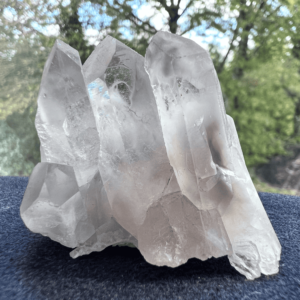
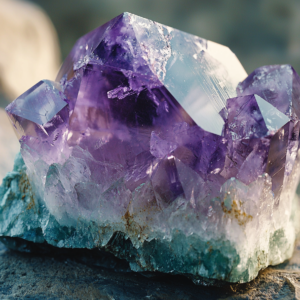
Molten Quartz
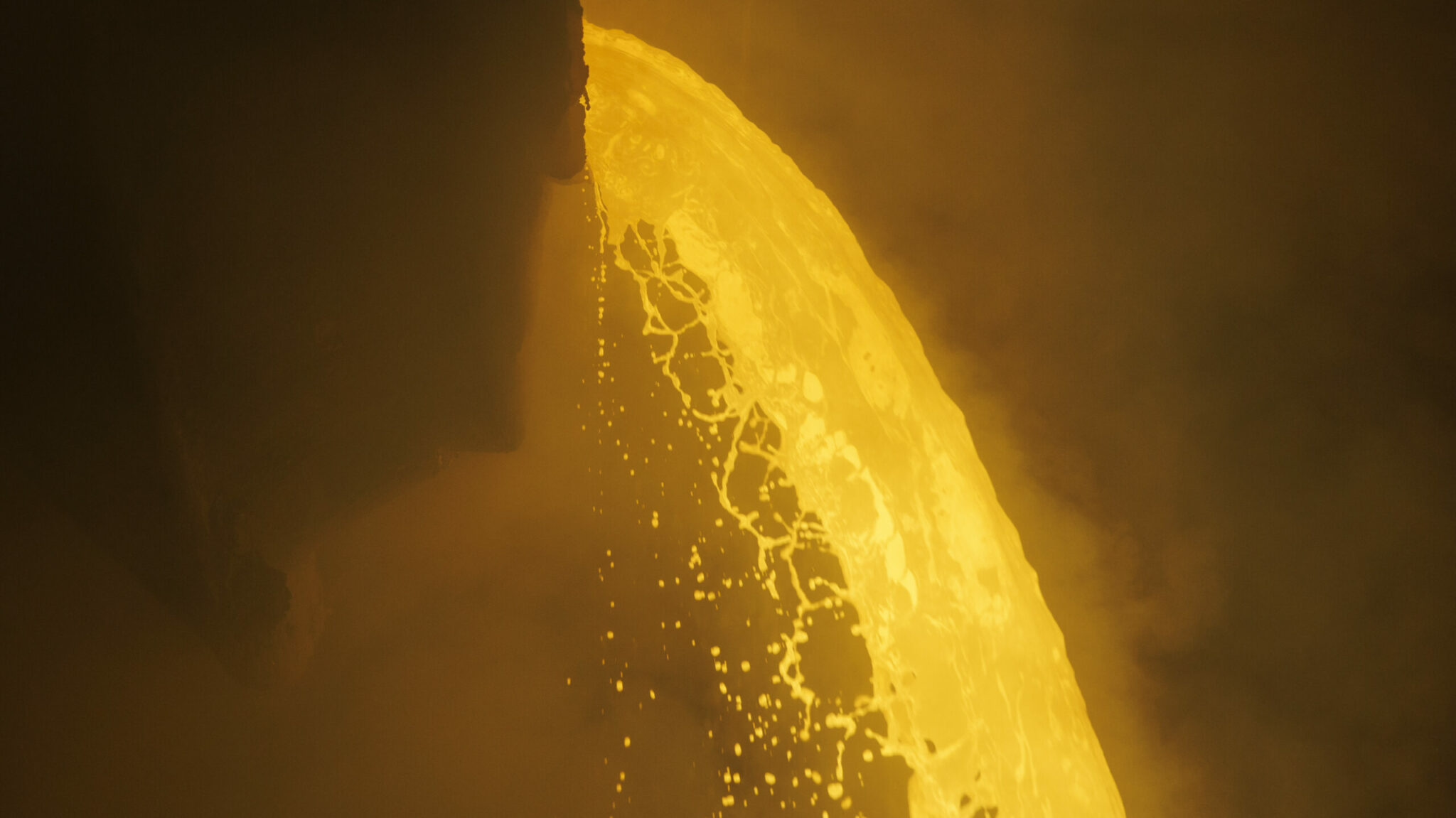
Molten quartz refers to quartz that has been heated to a very high temperature until it becomes a liquid state. Here’s a detailed look at it:
Definition and Formation
- Heating Process: Quartz, which is a common mineral composed of silicon dioxide (SiO₂), has a high melting point of around 1713°C (3115°F). When it is subjected to temperatures above this melting point in an appropriate furnace environment, it transitions from its solid crystalline form into a molten, viscous liquid. This heating can be achieved in industrial settings using electric arc furnaces or other high-temperature heating devices specifically designed for working with refractory materials like quartz.
- Purity and Composition: Molten quartz is typically very pure silicon dioxide, although in some cases, small amounts of impurities may be present depending on the source of the original quartz and the processing conditions. For example, if the quartz ore contains trace amounts of elements like aluminum, iron, or titanium, these may still be present in minute quantities in the molten state, but efforts are usually made to minimize such impurities for most high-quality applications.
Properties
- Viscosity: Molten quartz is highly viscous, meaning it flows very slowly like thick honey or molasses. This high viscosity is due to the strong chemical bonds between the silicon and oxygen atoms in the SiO₂ structure even in the liquid state. As a result, shaping it into specific forms requires careful control of the pouring or casting process and often the use of specialized molds or techniques to overcome its resistance to flow.
- Transparency: It maintains a relatively high level of transparency even when molten, similar to solid quartz in its clear varieties. This property makes it useful for applications where light transmission is important, such as in the production of optical fibers or certain types of glassware that require good clarity.
- Refractory Nature: Molten quartz is highly refractory, which means it can withstand extremely high temperatures without melting further or deforming easily. Once it cools and solidifies back into quartz, it retains this refractory property, making it valuable for use in high-temperature applications like furnace linings, crucibles for melting metals, and other industrial processes where materials need to endure intense heat.
Applications
- Optical Fibers: One of the most significant applications of molten quartz is in the manufacturing of optical fibers. In the production process, highly pure molten quartz is carefully drawn into extremely thin fibers. These fibers are used to transmit light signals over long distances in telecommunications, enabling high-speed internet connections, long-distance telephone calls, and data transmission between different locations. The transparency and low optical loss of molten quartz make it ideal for this purpose.
- Semiconductor Industry: Molten quartz is used in various aspects of the semiconductor manufacturing process. For example, quartz crucibles made from molten quartz are essential for melting silicon in the production of silicon wafers, which are the building blocks of computer chips and other electronic components. The ability of molten quartz to withstand the high temperatures required for silicon melting and its chemical inertness that prevents contamination of the silicon are crucial factors for its use in this industry.
- Glass and Ceramics: It is used in the production of certain types of high-quality glass and ceramics. In glassmaking, molten quartz can be added to improve the thermal stability, transparency, and chemical resistance of the final product. In ceramic manufacturing, it can be used as a raw material or as a component in glazes to enhance the durability and appearance of ceramic items, especially those that need to withstand high temperatures or harsh chemical environments.
- Furnace Linings and Crucibles: As mentioned earlier, due to its refractory properties, molten quartz is used to make furnace linings and crucibles for melting metals like gold, silver, and platinum. These applications require materials that can endure the extreme heat generated during the melting process without reacting with the metals or breaking down, and molten quartz fits these requirements well.
Challenges and Considerations
- Energy Consumption: Heating quartz to its molten state requires a significant amount of energy due to its high melting point. This can make the production process relatively expensive from an energy perspective, and efforts are continuously made to develop more energy-efficient heating methods and technologies to reduce costs.
- Contamination Control: Maintaining the purity of molten quartz is crucial for many of its applications, especially in the semiconductor and optical fiber industries. Any contamination from external sources, such as impurities in the furnace atmosphere or contact with other materials during processing, can affect the quality and performance of the final products made from it. Specialized handling and purification techniques are employed to minimize these risks.
In summary, molten quartz is a fascinating material with unique properties that make it indispensable in a wide range of industries, from telecommunications to high-temperature manufacturing, despite the challenges associated with its production and use.