Melanite
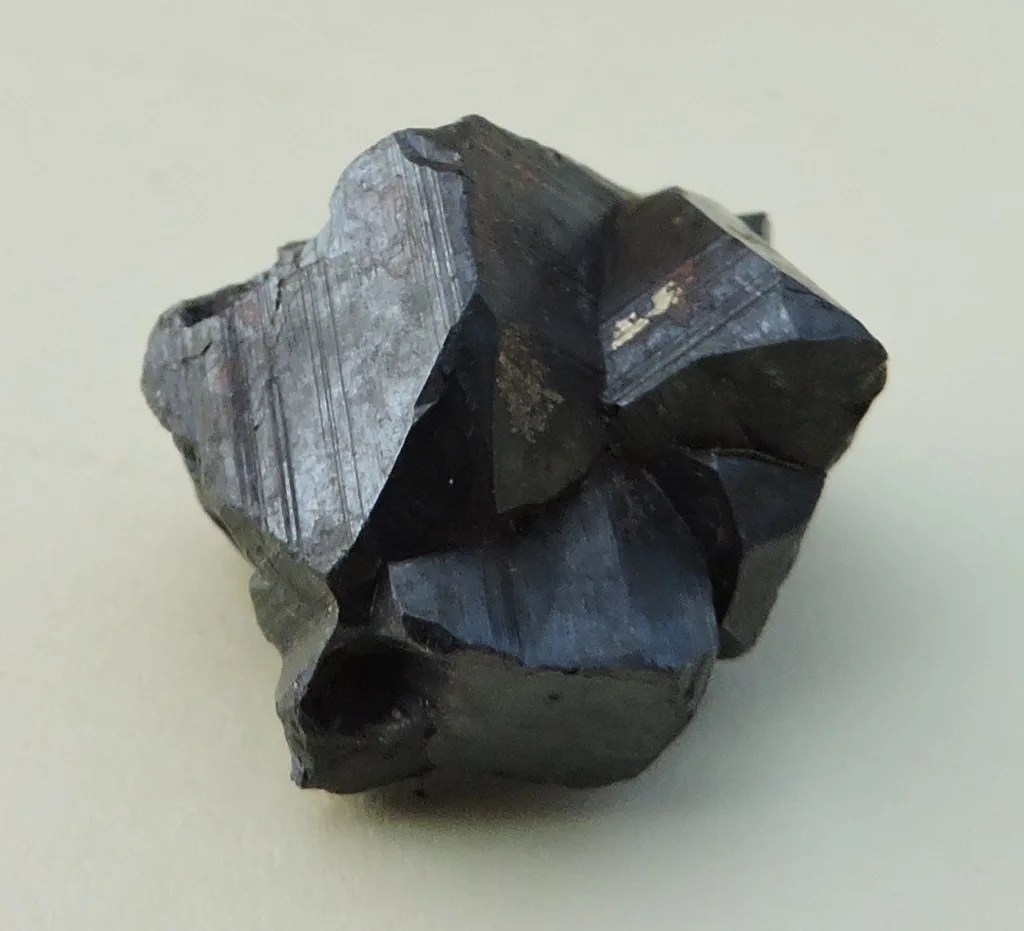
Melanite is a term used to describe a specific type of mineral, which belongs to the garnet group. Garnets are a diverse group of silicate minerals that come in various colors, but melanite, in particular, is known for its distinctive black or dark brownish-black coloration. This dark hue is primarily due to the presence of iron and titanium within the crystal structure of melanite.

Melanite garnets are prized for their deep and lustrous black appearance, which can be highly appealing in jewelry and gemstone settings. They are often used as gemstones in rings, necklaces, earrings, and other jewelry pieces, where their dark color can create a striking contrast with other gemstones or precious metals.
Beyond their aesthetic appeal, melanite garnets also have some significance in the world of metaphysical and healing practices. In these traditions, melanite is believed to possess grounding and protective qualities, helping individuals stay connected to the Earth’s energies and shielding them from negative influences.
In summary, melanite is a type of garnet mineral known for its dark black or brownish-black coloration. It is utilized for its visual appeal in jewelry and is also associated with certain metaphysical properties in holistic healing practices.
Contents
- Geological Formation and Occurrence
- Properties of Melanite
- Uses of Melanite
Geological Formation and Occurrence

Melanite garnets, like other garnet varieties, are formed through geological processes within the Earth’s crust. Here’s an overview of the geological formation, occurrence, and sources of melanite:
1. Geological Formation: Melanite garnets are silicate minerals formed primarily through metamorphism and magmatic processes. These garnets typically crystallize from high-temperature and high-pressure environments deep within the Earth’s crust. They can develop in various types of rock, including schists, gneisses, and mica-rich rocks, as well as within certain types of igneous rocks such as granite and syenite.
2. Occurrence: Melanite garnets are relatively rare compared to other garnet varieties, and their occurrence is somewhat limited. They can be found in specific geological settings around the world. These settings include:
- Metamorphic Rocks: Melanite garnets are often associated with metamorphic rocks such as schists and gneisses. These rocks undergo intense heat and pressure, which can facilitate the formation of garnets, including melanite.
- Igneous Rocks: In some cases, melanite garnets can form within certain igneous rocks like granite and syenite when specific chemical conditions are met during the cooling and crystallization process.

3. Sources: Melanite garnets have been discovered in various locations globally, though not all sources produce gem-quality melanite suitable for jewelry. Some notable sources of melanite include:
- Austria: The Styrian Alps in Austria have historically been a well-known source of melanite garnets. The gem-quality melanite from this region has been used in jewelry.
- Czech Republic: The Czech Republic, particularly the Bohemian region, has also produced melanite garnets, often referred to as “Bohemian garnets.” These garnets have been popular in traditional Czech jewelry.
- Italy: Melanite garnets can be found in certain parts of Italy, particularly in the Alps.
- Russia: Russia, including the Ural Mountains region, is another notable source of melanite garnets, although they are relatively scarce compared to other garnet varieties.
- Madagascar: Some gem-quality melanite garnets have been found in Madagascar, adding to the global supply.
It’s worth noting that while melanite garnets are used in jewelry, they are not as commonly seen as other garnet varieties like almandine or pyrope garnets. Their unique black or dark brownish-black color makes them a distinctive choice for those seeking a less conventional gemstone.
Properties of Melanite

Melanite is a specific variety of garnet, and it possesses a set of properties that distinguish it from other gemstones. Here are some key properties of melanite:
- Color: The most distinguishing feature of melanite is its deep black or dark brownish-black coloration. This dark and opaque appearance sets it apart from other garnet varieties, which typically come in a range of colors.
- Hardness: Melanite garnet has a relatively high hardness on the Mohs scale, typically ranging from 6.5 to 7.5. This hardness makes it suitable for use in jewelry and provides good durability, although it can still be scratched by harder materials.
- Luster: Melanite garnets have a vitreous (glassy) to resinous luster when properly cut and polished. This luster enhances their visual appeal in jewelry settings.
- Transparency: Melanite garnets are generally opaque, meaning they do not transmit light. Their lack of transparency contributes to their dark appearance.
- Crystal Structure: Like all garnets, melanite has an isometric crystal structure, typically forming in dodecahedral or trapezohedral shapes. These well-formed crystals can be faceted into gemstones for use in jewelry.
- Specific Gravity: The specific gravity of melanite garnet ranges from approximately 3.6 to 4.3, depending on its composition. This property can be useful in distinguishing melanite from other gemstones of similar appearance.
- Cleavage: Melanite garnet does not have distinct cleavage planes, which means it is relatively resistant to breakage along specific directions.
- Refractive Index: The refractive index of melanite garnet typically falls in the range of 1.81 to 1.89, contributing to its visual brilliance when properly cut.
- Fluorescence: Some melanite garnets may exhibit weak to moderate fluorescence when exposed to ultraviolet (UV) light. The fluorescence colors can vary, often appearing yellow or greenish-yellow.
- Origin: Melanite garnets are found in various locations worldwide, as mentioned in the previous response. Different sources may yield slightly different variations in color and quality.
- Metaphysical Properties: In metaphysical and holistic healing practices, melanite is believed to have grounding and protective properties. It is thought to help individuals connect with the Earth’s energies and provide a shield against negative influences.
Due to its unique and striking black color, melanite garnet is often used in jewelry as a bold and contrasting gemstone. It can be faceted into various shapes, such as rounds, ovals, and cabochons, to create distinctive jewelry pieces.
Uses of Melanite

Melanite, a variety of garnet with its distinct black or dark brownish-black color, is used for various purposes, primarily in the realm of jewelry and, to a lesser extent, in metaphysical and healing practices. Here are the primary uses of melanite:
- Jewelry: The most common and traditional use of melanite is in jewelry design. Its dark and opaque appearance provides a striking contrast when set alongside other gemstones or precious metals. Melanite garnets are often cut into various shapes, such as faceted gemstones, cabochons, or beads, to be incorporated into rings, necklaces, earrings, bracelets, and other jewelry pieces. It is especially popular in vintage and antique jewelry settings.
- Antique and Vintage Jewelry: Melanite garnets have historically been used in antique and vintage jewelry pieces, particularly during the Victorian era. They were a popular choice for mourning jewelry due to their black color, symbolizing grief and remembrance.
- Metaphysical and Healing Properties: In some metaphysical and holistic healing practices, melanite is believed to possess grounding and protective properties. It is thought to help individuals stay connected to the Earth’s energies and provide a shield against negative influences. Some people wear melanite jewelry for its perceived metaphysical benefits.
- Collectibles: Melanite garnets are sometimes sought after by collectors of gemstones and minerals due to their uniqueness and historical significance in jewelry design.
While melanite garnets are not as widely used as other gemstone varieties, their distinctive black color makes them a sought-after choice for individuals looking to make a bold and unconventional statement with their jewelry or explore their metaphysical properties.