Hiddenite
Hiddenite is a fascinating gemstone that belongs to the mineral family of spodumene. It is a green variety of spodumene and is named after its discoverer, William Earl Hidden, an American mineralogist. Hiddenite was first identified in North Carolina, United States, in 1879.


Key characteristics of Hiddenite:
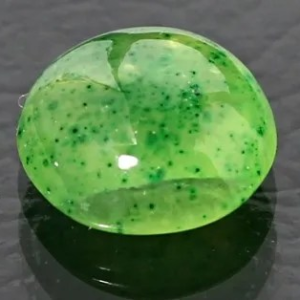
- Color: The most prominent feature of Hiddenite is its distinctive green color, which can range from a pale, minty green to a deeper emerald hue. The intensity of the green color is influenced by factors such as the presence of trace elements like chromium and vanadium.
- Crystal Structure: Hiddenite crystallizes in the monoclinic crystal system, forming prismatic crystals with distinct vertical striations. It typically occurs in long, slender crystals, but can also be found in massive or granular forms.
- Hardness: On the Mohs scale of mineral hardness, Hiddenite ranks between 6.5 to 7. This places it among moderately hard gemstones, making it suitable for use in various jewelry applications.
- Transparency: Hiddenite is usually transparent to translucent, which means light can pass through it to varying degrees, depending on the specific gemstone.
- Origins: While Hiddenite was initially found in North Carolina, it has also been discovered in other parts of the world, including Brazil, Afghanistan, and Madagascar. However, gem-quality Hiddenite from North Carolina remains highly prized by collectors and enthusiasts.
- Uses: Due to its vivid green color and relative rarity, Hiddenite is a sought-after gemstone in the jewelry market. It is often cut into faceted gemstones for use in rings, pendants, earrings, and other pieces of jewelry.
It’s important to note that the value and desirability of Hiddenite can vary depending on factors such as its color, clarity, and size. As with any gemstone, it is essential to purchase from reputable sources to ensure authenticity and quality. Whether used for its aesthetic appeal or its believed metaphysical properties, Hiddenite continues to captivate gemstone enthusiasts and collectors worldwide.
Contents
- Geographical distribution and mining locations
- Geology and Formation of Hiddenite
- Physical and Chemical Properties
- Importance and Uses of Hiddenite
- Value and Market Trends
- Recap of hiddenite’s significance
Geographical distribution and mining locations

Hiddenite is primarily found in a few select locations worldwide. Historically, the most significant deposits were discovered in North Carolina, United States, which is the namesake of the gemstone. However, there are other notable sources as well:
- North Carolina, USA: The first documented discovery of Hiddenite occurred in Alexander County, North Carolina, in 1879. This region remains one of the most famous and productive sources of Hiddenite in the world. It is also renowned for other gem minerals such as emeralds and various colored varieties of spodumene.
- Brazil: Brazil is another major producer of Hiddenite. The gemstone was first identified in Brazil in the 1950s. The Brazilian deposits have contributed significantly to the world’s supply of Hiddenite.
- Madagascar: Madagascar has also become an essential source of Hiddenite since the gemstone was discovered there in the 1990s. Some of the finest quality and most beautiful specimens of Hiddenite come from Madagascar.
- Afghanistan: Hiddenite deposits have been found in Afghanistan as well. Though not as prolific as the other sources mentioned above, it has contributed to the gemstone market.
Mining of Hiddenite typically involves extracting the gemstone from pegmatite deposits. Pegmatites are coarse-grained igneous rocks that often contain large crystals of valuable minerals. These deposits are formed in the final stages of magma cooling, allowing elements and minerals to crystallize and grow to significant sizes.
Mining operations involve identifying pegmatite veins and carefully extracting the Hiddenite crystals. Miners may use traditional mining techniques such as hand tools or modern machinery depending on the scale of the operation and the accessibility of the deposit.
It’s worth mentioning that Hiddenite’s rarity and its association with the mineral spodumene contribute to its desirability and value. As with any gemstone, ethical mining practices are essential to preserve the environment and ensure the sustainability of these precious resources.
Geology and Formation of Hiddenite
Hiddenite is a green variety of the mineral spodumene, which is a member of the pyroxene group of minerals. It forms as a result of geological processes involving pegmatites, which are specialized igneous rocks.
Here’s how Hiddenite is geologically formed:
- Pegmatite Formation: Pegmatites are igneous rocks that form from the last stages of the crystallization of magma. They are characterized by their exceptional coarseness, with mineral crystals often growing to considerable sizes. Pegmatites form under specific geological conditions that allow for the slow cooling and differentiation of the magma.
- Source of Lithium: Spodumene, the mineral that gives rise to Hiddenite, is rich in lithium. Lithium is an essential element that is widely used in various industries, including batteries for electronic devices and electric vehicles. Pegmatites are one of the primary sources of lithium, and spodumene is a valuable lithium ore.
- Chemical Composition: The formation of spodumene, including Hiddenite, is linked to the availability of specific chemical elements during the crystallization process. It primarily consists of lithium aluminum inosilicate, with the chemical formula LiAl(SiO3)2.
- Coloration: The green color of Hiddenite is attributed to trace amounts of chromium in the spodumene structure. Chromium is a color-causing element, and its presence in the crystal lattice imparts the characteristic green hue to Hiddenite. The intensity of the green color can vary based on the concentration of chromium and other factors.
- Hydrothermal Processes: After the initial formation of pegmatites and the crystallization of spodumene, hydrothermal processes may contribute to further mineral growth and alteration. Hydrothermal fluids, which are hot, mineral-rich waters circulating through the Earth’s crust, can interact with the pegmatite and cause changes in the mineral composition over time.
- Metamorphism: In some cases, the pegmatite containing spodumene can undergo regional metamorphism due to geological tectonic processes. This metamorphism can result in the transformation of the minerals, but Hiddenite’s green color remains unchanged.
It’s important to note that Hiddenite’s distinctive green color and gem-quality clarity are relatively rare, making it a prized gemstone among collectors and jewelry enthusiasts. The geological processes that lead to the formation of Hiddenite require specific conditions and a combination of factors, contributing to its scarcity and desirability in the market.
Physical and Chemical Properties
Hiddenite, as a green variety of spodumene, possesses a unique set of physical and chemical properties that make it a distinct and valuable gemstone. Here are its key physical and chemical properties:
Physical Properties:
- Color: Hiddenite is known for its striking green color, ranging from a pale minty green to a deeper emerald green. The intensity of the green hue can vary depending on the concentration of chromium and other trace elements present in the crystal structure.
- Crystal System: Hiddenite crystallizes in the monoclinic crystal system. Its crystals are typically prismatic, elongated, and can display vertical striations.
- Transparency: Hiddenite is usually transparent to translucent, allowing light to pass through it to varying degrees.
- Hardness: On the Mohs scale of mineral hardness, Hiddenite ranks between 6.5 and 7. This makes it moderately hard, making it suitable for use in various types of jewelry.
- Cleavage: Hiddenite exhibits good cleavage in two directions, which means it can be easily split along certain planes, resulting in smooth, flat surfaces.
- Luster: The luster of Hiddenite is vitreous (glass-like) on its crystal surfaces.
- Specific Gravity: The specific gravity of Hiddenite typically ranges from 3.14 to 3.20, indicating that it is heavier than an equal volume of water.
Chemical Properties:
- Chemical Formula: Hiddenite is a lithium aluminum inosilicate with the chemical formula LiAl(SiO3)2. It belongs to the pyroxene group of minerals.
- Chemical Composition: Hiddenite is mainly composed of lithium, aluminum, silicon, and oxygen. The green color is attributed to the presence of trace amounts of chromium in the crystal lattice.
- Crystal Structure: The crystal structure of Hiddenite is monoclinic, which means its atoms are arranged in a specific geometric pattern within the crystal lattice.
- Mohs Hardness: As mentioned earlier, Hiddenite has a hardness of 6.5 to 7 on the Mohs scale, which indicates its resistance to scratching and abrasion.
- Stability: Hiddenite is stable under normal environmental conditions, but it can be affected by heat, acids, and other chemical agents.
- Specific Heat: The specific heat capacity of Hiddenite is the amount of heat required to raise its temperature by a certain amount, and it is specific to the material.
These physical and chemical properties make Hiddenite a sought-after gemstone in the jewelry industry. Its beauty, rarity, and unique green color contribute to its appeal among gem enthusiasts and collectors. Additionally, the presence of lithium in Hiddenite has industrial significance, as lithium is widely used in batteries, ceramics, and other technological applications.
Importance and Uses of Hiddenite

Hiddenite holds both aesthetic and industrial importance due to its unique properties and composition. Here are some of the key importance and uses of Hiddenite:
- Gemstone and Jewelry: One of the primary uses of Hiddenite is as a gemstone in the jewelry industry. Its beautiful green color, ranging from light mint to deep emerald, makes it an attractive choice for rings, necklaces, earrings, and other pieces of jewelry. Hiddenite’s rarity and limited availability add to its value and desirability among gem collectors and jewelry enthusiasts.
- Metaphysical and Healing Properties: Like many gemstones, Hiddenite is believed to possess metaphysical and healing properties in various spiritual and holistic practices. It is associated with emotional healing, forgiveness, stress reduction, and promoting a sense of inner peace. Some people believe that Hiddenite can help improve emotional well-being and foster a stronger connection with nature.
- Mineral Specimens and Collectibles: High-quality and well-formed Hiddenite crystals are sought after by mineral collectors and enthusiasts. Hiddenite’s association with specific localities, such as North Carolina and Madagascar, adds to the appeal of acquiring specimens from these renowned sources.
- Industrial Use – Lithium Extraction: Spodumene, including Hiddenite, is an essential source of lithium, a valuable element used in various industrial applications. Lithium is a key component in rechargeable batteries for electronic devices, electric vehicles, and energy storage systems. As the demand for lithium increases, the significance of spodumene deposits, including Hiddenite, as a lithium ore becomes more pronounced.
- Industrial Use – Ceramics and Glass: Spodumene, including Hiddenite, is used in the production of ceramics and glass. It can act as a fluxing agent, which reduces the melting temperature of materials and helps in the production of high-temperature ceramics and heat-resistant glass.
- Ornamental Carvings: Due to its favorable hardness and attractive color, Hiddenite is sometimes used for ornamental carvings and figurines.
It’s worth mentioning that while Hiddenite has industrial applications, its use as a gemstone and its metaphysical significance have contributed significantly to its popularity and value. As with any gemstone, the value of Hiddenite is influenced by factors such as its color, clarity, size, and the demand for the gem in the market. For those interested in the spiritual or healing properties of Hiddenite, it is essential to approach such beliefs with an open mind and an understanding of the cultural and historical context behind these beliefs.
Value and Market Trends
The value of Hiddenite, like many gemstones, can be influenced by various factors, including:
- Gem Quality: The quality of the Hiddenite, including factors like color, clarity, cut, and carat weight, significantly affects its value. Deeper and more intense green hues, high transparency, and minimal inclusions are desirable traits in gem-quality Hiddenite.
- Rarity and Origin: Hiddenite from specific well-known sources, such as the original North Carolina deposit, may have a premium due to its historical significance and limited supply. Rare and unique colors or large gemstone sizes can also increase its value.
- Demand: Market demand plays a crucial role in determining the value of any gemstone, including Hiddenite. Changes in consumer preferences, trends, and global economic conditions can impact demand and, consequently, the gemstone’s price.
- Gemstone Treatments: Natural Hiddenite is more valuable than treated or synthetic varieties. Treatments like heat treatment are sometimes used to enhance the color or clarity of gemstones, but they can impact their value.
- Ethical and Sustainable Sourcing: Increasing awareness and demand for ethically and sustainably sourced gemstones can influence consumer preferences and impact the market trends for Hiddenite.
To get the most current information on the value and market trends of Hiddenite, I recommend consulting gemstone pricing guides, reputable jewelry retailers, auction houses, or industry-specific reports. These sources can provide up-to-date information on the gemstone’s current market value and insights into any changes in trends or demand.
Recap of hiddenite’s significance
- Gemstone and Jewelry: Hiddenite is a beautiful green variety of spodumene, prized for its unique green color, which ranges from pale mint to deep emerald. It is used as a gemstone in various jewelry pieces, such as rings, pendants, earrings, and more.
- Rarity and Value: Hiddenite’s scarcity and limited availability contribute to its desirability and higher value among gem collectors and enthusiasts.
- Historical Importance: Hiddenite was first discovered in North Carolina, United States, and is named after its discoverer, William Earl Hidden, a renowned mineralogist. The gemstone has historical significance in the world of gemology.
Overall, Hiddenite’s exquisite color, metaphysical significance, and association with lithium-rich deposits make it an exceptional gemstone with both aesthetic and industrial importance.