Hetian Jade
Hetian jade (和田玉) is one of the most famous and highly prized types of jade, originating from the Hetian region in the Tian Shan Mountains of Xinjiang province, China. Known for its exquisite quality and historical significance, Hetian jade has been cherished for thousands of years and is considered the finest jade in China.
Key Characteristics of Hetian Jade:
- Composition:
- Hetian jade is primarily composed of nephrite, a variety of jade, which is a silicate mineral made of calcium and magnesium. Nephrite is tough, durable, and has a smooth, dense texture.
- While there are other types of jade (like jadeite), Hetian jade, particularly nephrite, is often considered superior due to its smooth texture and rich color.
- Color:
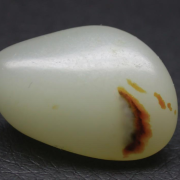
- Hetian jade is known for its white to off-white color, though it can also come in shades of green, yellow, and grey. The most highly prized variety is pure white jade, often referred to as “mutton fat jade” (羊脂玉), which has a soft, milky white appearance.
- Jade from this region is admired for its subtle translucence, which gives it a smooth, lustrous finish when polished.
- Texture and Quality:
- Hetian jade has a fine, uniform texture that is dense and compact, making it smooth to the touch. High-quality Hetian jade is highly valued for its hardness, translucency, and resilience.
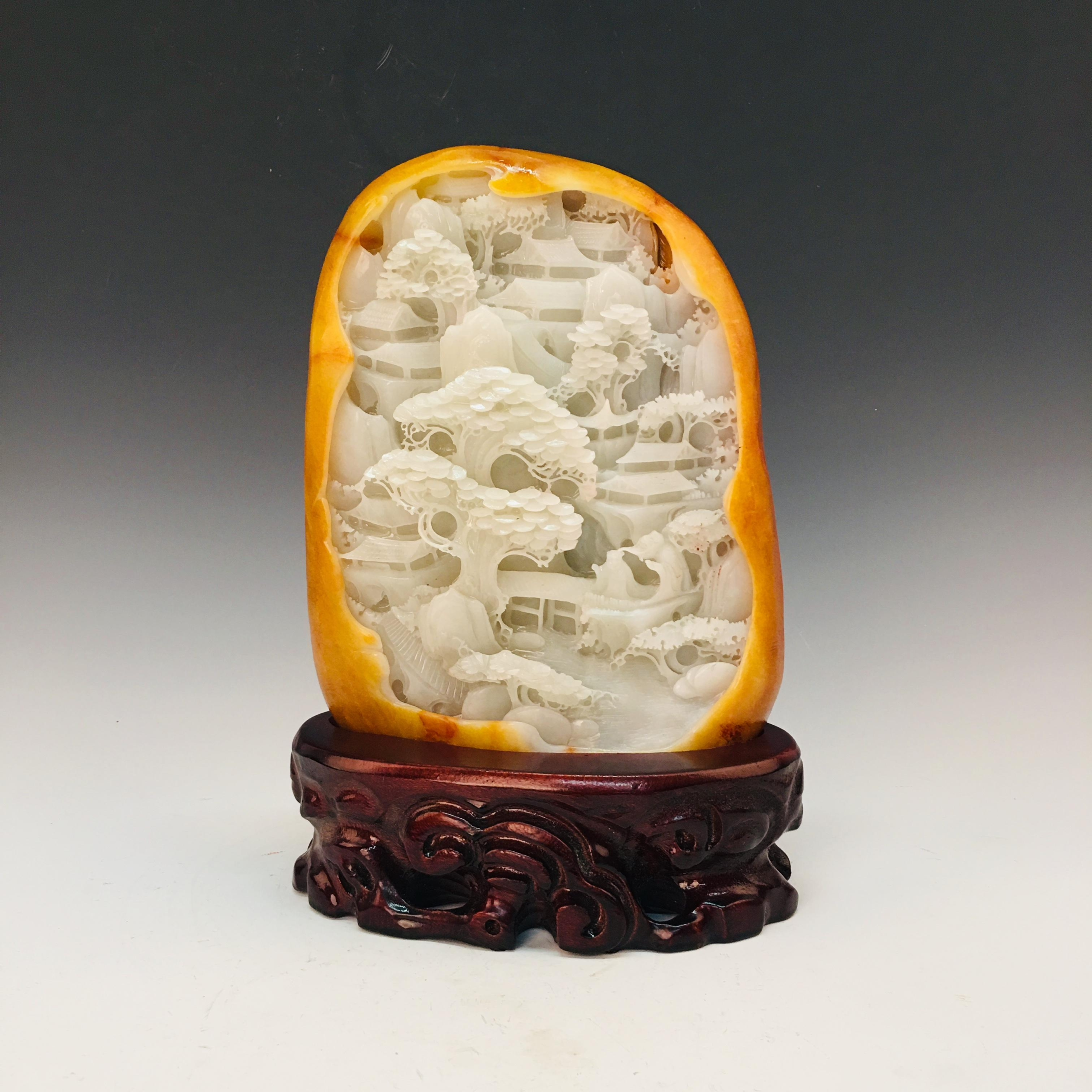
- It has a consistent grain structure, making it ideal for carving intricate designs, which is why Hetian jade is often used to create fine sculptures, ornaments, and jewelry.
- History and Cultural Significance:
- Hetian jade has been used in China for over 4,000 years and holds an important place in Chinese culture and history. It has been used for a variety of purposes, from ceremonial objects to jewelry and artworks.
- Historically, jade from the Hetian region was believed to have spiritual significance. It was often associated with purity, immortality, and protection from evil. Emperors and noble families highly prized jade objects, and Hetian jade was often used in the creation of ritual vessels, medallions, and funerary items.
- Carving and Usage:
- The fine texture of Hetian jade makes it a favorite material for jade carvers, as it can be shaped into intricate designs with detailed features. Ancient Chinese jade carving techniques were highly advanced, and jade objects were often associated with power and status.
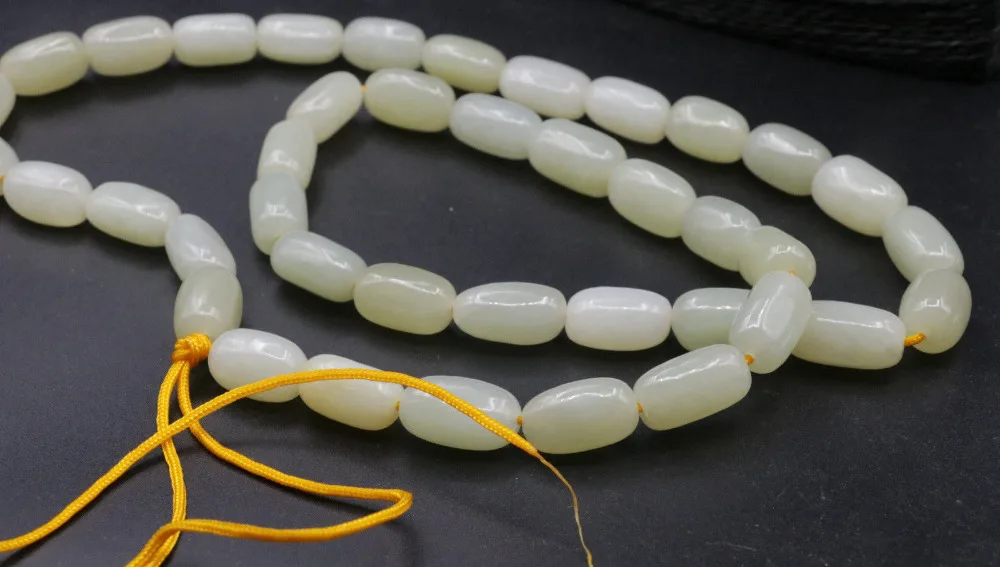
- Hetian jade has been used to create ornamental jewelry such as bracelets, necklaces, pendants, and rings. It is also commonly used for statues, plaques, and scrolls in traditional Chinese art.
- Economic Value:
- Hetian jade is considered one of the most valuable types of jade in the world, with high-quality pieces fetching premium prices. The price is determined by factors such as color, clarity, translucency, and texture.
- The jade from Hetian, especially the pure white jade (mutton fat jade), is particularly coveted and can be sold for extremely high prices, making it a sought-after item in both antique markets and among collectors.
Different Types of Hetian Jade:
There are several types of Hetian jade, classified based on their color and texture:
- Mutton Fat Jade (羊脂玉): This is the most prized variety, characterized by its pure white, milky color and smooth texture. It is the highest quality jade and is highly valued in both China and international markets.
- Green Hetian Jade: Often called “Huangyu,” it can range from a pale green to deeper, more vibrant shades of green. It’s still highly valued but not as rare as white jade.
- Yellow Hetian Jade: A rarer variety of Hetian jade, often seen in decorative carvings and ornaments. It has a warm, golden hue.
- Gray or Brown Hetian Jade: Less common, with an earthy tone, this variety is more affordable than the white or green types.
Healing and Metaphysical Properties of Hetian Jade:
In Chinese culture, jade, including Hetian jade, is believed to have various metaphysical properties. These include:
- Healing: Hetian jade is thought to promote health, longevity, and vitality. It is said to help with detoxification, immunity, and blood circulation.
- Protection: Jade is considered a protective stone that guards against negative energy. Hetian jade, with its rich cultural history, is believed to bring good fortune and protection to its owner.
- Balance and Harmony: Hetian jade is believed to bring balance, peace, and emotional stability. It is often used in meditation to enhance spiritual growth.
- Wealth and Prosperity: Traditionally, jade was also associated with wealth and prosperity, especially when worn as a pendant or kept in the home.
Where to Find Hetian Jade:
- Hetian: The region in Xinjiang, China, is the primary source of this jade. The Tian Shan Mountains are rich in nephrite jade deposits, and this area has been a significant source for jade for centuries.
- Other Regions: While Hetian jade is primarily from Xinjiang, similar nephrite jade deposits can also be found in other regions of China, though they are typically of lower quality compared to the renowned Hetian variety.
Current Market and Conservation:
- Sustainability: Due to its high value and limited supply, there are increasing concerns about the sustainability of Hetian jade mining. There are also concerns about illegal mining and trade, which have prompted some regulatory measures by the Chinese government to ensure that the jade trade remains fair and transparent.
- Counterfeiting: The demand for Hetian jade has led to an increase in counterfeit jade, with imitations being sold in the market. This has made it crucial for collectors and buyers to carefully examine the authenticity of jade pieces, often using tools like X-ray fluorescence (XRF) and microscopic analysis.
Conclusion:
Hetian jade is one of the most highly esteemed types of jade in China and globally, celebrated for its beauty, historical significance, and cultural importance. Whether used in art, jewelry, or spiritual practices, it remains a symbol of purity, status, and good fortune. If you are considering collecting or using Hetian jade, it is important to verify its authenticity and understand the nuances of its quality, as it remains one of the most valuable gemstones in the world.
Would you like more information on its metaphysical properties, or perhaps tips on how to differentiate genuine Hetian jade from imitations?