Heliodorus: Properties, Uses and Virtues
Heliodore: A Ray of Sunlight
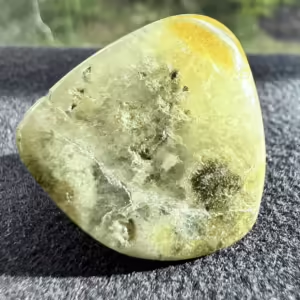
Heliodore, also known as golden beryl, radiates the warmth and joy of the sun. The captivating golden-yellow hues of this precious gem are appreciated for their positive, invigorating energy. Discover the fascinating world of Heliodore as we explore its geological formation, admire the raw beauty of its uncut crystals and learn about its global presence. Delve into its historical significance and the metaphysical properties that have earned Heliodore a place in the hearts of gem enthusiasts the world over.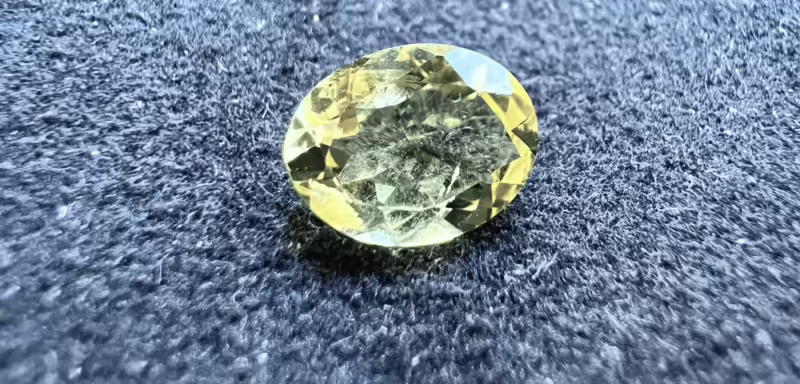
Heliodore: Table of contents
- Heliodore Geological Formation
- Rough Heliodore – Raw Beauty
- Sources – The Global Scope of Heliodore
- Historical Significance of the Heliodore – Through the Ages
- Metaphysical Properties of Heliodore – Illuminating energies
- Varieties of Heliodore
- Colors of Heliodore
- Durability and Wearability of Heliodore
- Improvements to Heliodore – Preserving natural beauty
- Synthetic Heliodore – Nature in the Laboratory
- Imitations of Heliodore – Discerning the Authentic
- Heliodore Care – Preserving natural beauty
Heliodore Geological Formation
Heliodore, a variety of beryl, forms in veins of pegmatite in metamorphic and igneous rocks. The interaction of minerals in specific geological conditions, involving heat and pressure, gives rise to the radiant beauty of Heliodore at the heart of the Earth’s crust.Rough Heliodore – Raw Beauty
Heliodore crystals have a hexagonal prism shape, a distinctive feature of beryl gems. The natural raw beauty of uncut Heliodore crystals highlights their geometric perfection, captivating gemologists and collectors with their natural charm.Sources – The Global Scope of Heliodore
Heliodorus is found in various parts of the world, including Brazil, Namibia, Nigeria and Russia. Each source contributes to the diversity of Heliodore gems, offering unique colours and characteristics that make them treasures in the world of jewellery. The term heliodore originally referred to the golden beryl found in Namibia, but is now used interchangeably for all yellow beryls.Historical Significance of the Heliodore – Through the Ages
Throughout history, Heliodore has probably been significant for its golden colour, which evokes sunshine, warmth and light. However, there is little research on this subject. Heliodore, or golden beryl, was probably used in ancient civilisations because of its resemblance to the sun, symbolising warmth and light. Discovered or rediscovered in 1913 in the same pegmatite as aquamarine, it has found its place in contemporary and vintage designs, adding a touch of radiance and positivity to a variety of jewels.Metaphysical Properties of Heliodore – Illuminating energies
Heliodorus is associated with the promotion of joy, positivity and abundance. It is thought to radiate an energy similar to that of the sun, bringing warmth and happiness to the lives of those who wear it. Heliodore is believed to enhance self-confidence and creativity, enabling individuals to embrace life’s opportunities with a joyful spirit.Varieties of Heliodore
Heliodore, with its golden-yellow hues, has a captivating range of colours, but no variety to speak of.Colors of Heliodore
From bright, sunny greenish yellows to intense, vibrant golds, the colors of Heliodore are as diverse as the sun’s rays, reflecting its radiant beauty.Durability and Wearability of Heliodore
With a hardness of 7.5 to 8 on the Mohs scale, Heliodore offers excellent durability, making it a gem suitable for many different types of jewellery. Its enduring appeal ensures that heliodore jewellery remains a cherished treasure for generations.Improvements to Heliodore – Preserving natural beauty
Heliodore, like many other gems, can undergo enhancements and treatments to improve their appearance or colour. These processes are commonly used in the gemstone industry to enhance the beauty and desirability of the gem. Here are some common treatments and improvements associated with Heliodore: Heating: Heating is one of the most common treatments used to improve the colour of Heliodorus. By subjecting the gem to controlled heat, the yellow colour can be intensified, resulting in a more vibrant and desirable golden hue. This process is considered stable and permanent, and is widely accepted in the gem trade. Irradiation: In some cases, blue to blue-green beryl can be irradiated to create heliodore. However, some of these stones can lose colour if exposed to strong light. Coating: Coating involves applying a thin layer of colourless material to the surface of the Heliodore to enhance its colour or add special optical effects. However, coatings are not considered permanent improvements and can wear over time or under certain conditions. As such, coated Heliodore must be declared and handled with care. Oil and resin treatments: Heliodore can be treated with oils or resins to improve its clarity and transparency. These treatments can fill fractures and inclusions that reach the surface, improving the overall appearance of the gem. Oil and resin treatments are generally used to improve the aesthetics of the stone and are not considered permanent. The oil treatment can be maintained and redone at home.Synthetic Heliodore – Nature in the Laboratory
As a precious gem, Heliodore can also be synthesised in the laboratory. Although laboratory-created Heliodore shares similar structural and optical properties to natural Heliodore, it is essential to disclose its synthetic nature in order to accurately describe and evaluate the gem.Imitations of Heliodore – Discerning the Authentic
Because of its popularity, Heliodore is sometimes imitated or misrepresented with coloured glass, citrine, topaz, scapolite, cubic zirconia and synthetic beryl, among others. Buyers should be wary of imitations, such as coloured glass or citrine, to ensure the authenticity and true value of their Heliodore gems.