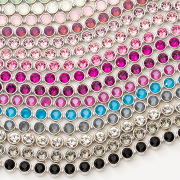
Crystal Color
Introduction to Crystal Color
Crystal color is a fascinating aspect that greatly contributes to the allure and value of crystals. It is determined by a variety of factors, including the chemical composition, internal structure, and the presence of impurities or trace elements within the crystal lattice. Different colors can evoke different emotions, have cultural significance, and play a crucial role in various applications such as jewelry making, decorative items, and even in some spiritual and healing practices.
Factors Affecting Crystal Color
Chemical Composition
- The basic chemical elements that make up a crystal are fundamental in dictating its color. For example, in the case of quartz, which is chemically silicon dioxide (SiO₂), pure quartz is colorless. However, when impurities like aluminum are present along with trace amounts of other elements such as iron, titanium, or manganese, it can result in a wide range of colors. Aluminum combined with iron can cause quartz to turn yellow or brown, while the addition of titanium and iron might create smoky quartz with its characteristic gray to black hues.
- Another instance is corundum. When it is pure, corundum is colorless. But when chromium is incorporated into its structure, it forms ruby with its vibrant red color. If iron and titanium are present instead, it results in sapphire, which can display a variety of colors including blue, yellow, green, and more depending on the specific ratios of these elements.
Trace Elements and Impurities
- Trace elements are often present in minute quantities within crystals but have a significant impact on color. In emeralds, which are a type of beryl (chemical formula Be₃Al₂(SiO₃)₆), the presence of chromium and sometimes vanadium in trace amounts is what gives them their intense green color. Without these specific impurities, beryl would be colorless or have a different, less desirable hue.
- In amethyst, a variety of quartz, the purple color is due to the presence of iron impurities in a particular oxidation state. The way these iron atoms interact with light within the crystal structure determines the shade and intensity of the purple. Similarly, in citrine (also a quartz variety), iron in a different oxidation state causes the yellow to orange coloration.
Crystal Structure and Defects
- The internal structure of a crystal can affect how light interacts with it and thus influences its color. Some crystals have a regular, repeating lattice structure that allows light to pass through in a predictable manner. However, structural defects such as dislocations, vacancies, or interstitial atoms can alter the way light is absorbed, reflected, or refracted. These defects can sometimes create color centers within the crystal. For example, in irradiated diamonds, the introduction of structural defects by radiation can lead to the formation of color centers that give the diamond a distinct color, like green or blue in some cases.
Common Crystal Colors and Their Associations
Purple
- Purple crystals like amethyst are often associated with spirituality, intuition, and calmness. In many cultures and spiritual practices, amethyst is believed to enhance meditation, aid in connecting with higher realms of consciousness, and promote inner peace. It is frequently used in jewelry and as decorative items in spaces dedicated to relaxation or spiritual pursuits.
Blue
- Blue crystals such as blue topaz or aquamarine are commonly linked to communication, truth, and serenity. Aquamarine, with its light blue to blue-green hues, has been regarded as a stone that can help calm emotions, improve communication skills, and bring a sense of clarity. In jewelry, blue crystals make for elegant and soothing adornments.
Green
- Green crystals like emerald and peridot are symbolically tied to growth, prosperity, and nature. Emeralds, with their deep green color, have long been prized for their beauty and have historical associations with wealth and royalty. Peridot, with its lighter green shade, is often seen as representing new beginnings and vitality, and is used in both jewelry and decorative pieces to add a touch of natural charm.
Yellow
- Yellow crystals including citrine are associated with joy, optimism, and mental clarity. Citrine is sometimes referred to as the “merchant’s stone” as it is believed to attract prosperity and success in business. In jewelry, its warm yellow color makes it a popular choice for adding a bright and cheerful element.
Orange
- Orange crystals such as carnelian or orange calcite are thought to embody energy, creativity, and enthusiasm. Carnelian has been used in ancient cultures to boost courage and motivation. Orange calcite is believed to stimulate the solar plexus chakra, enhancing confidence and vitality. They are often used in decorative items and jewelry to bring a vibrant and lively feel.
Red
- Red crystals like ruby are traditionally associated with passion, love, and power. Rubies have held a special place in jewelry throughout history, adorning crowns, rings, and other precious items of royalty and the elite. They are seen as symbols of intense emotions and strength.
Pink
- Pink crystals such as rose quartz are linked to love, compassion, and emotional healing. Rose quartz is widely known for its ability to promote self-love, heal emotional wounds, and enhance relationships. It is a popular choice for jewelry, especially in pieces related to matters of the heart.
Clear or Colorless
- Clear crystals like rock crystal quartz or diamond (when colorless) are often associated with purity, clarity, and amplification of energy. In jewelry, colorless diamonds are highly prized for their brilliance and ability to reflect light in a dazzling way. Rock crystal quartz is used in various applications, from decorative objects to being incorporated in energy healing tools as it is believed to enhance and direct energy.
Color Change in Crystals
Some crystals exhibit a phenomenon known as color change under different lighting conditions or when exposed to certain external factors. For example, alexandrite is a gemstone that appears green in daylight and red under incandescent light. This color change property is due to the specific combination of trace elements within its structure and how they interact with different light spectra. Another example is some varieties of garnet that can show a change in color depending on the angle of light incidence or the type of light source.
Importance of Crystal Color in Different Applications
Jewelry
- In jewelry, color is one of the primary factors that determine the desirability and value of a piece. Consumers often choose gemstones based on their favorite colors or the symbolic meanings associated with them. For example, an engagement ring might feature a diamond for its classic and pure look or a colored gemstone like a sapphire or ruby for a more unique and colorful statement. The color also needs to be vivid, saturated, and evenly distributed for the highest quality jewelry pieces.
- Different colors can be combined to create aesthetically pleasing designs. A necklace might incorporate a variety of colored crystals like amethyst, citrine, and peridot to create a colorful and eye-catching piece that can match different outfits or occasions.
Decorative Items
- In home decor, colored crystals are used to add a touch of elegance, color, and energy to a space. Crystal vases, chandeliers, and figurines in various colors can enhance the overall aesthetic of a room. For example, a blue crystal vase on a mantelpiece can create a calming and sophisticated atmosphere, while an orange crystal figurine can bring a lively and energetic vibe to a living area.
- They are also used in feng shui and other decorative practices to attract positive energy or to symbolize certain elements. For instance, green crystals might be placed in areas related to growth and prosperity according to feng shui principles.
Spiritual and Healing Practices
- In many spiritual and alternative healing traditions, specific crystal colors are believed to have particular energetic properties. Practitioners use crystals of different colors to balance the body’s energy centers (chakras), promote healing, or enhance emotional and mental states. For example, placing a purple amethyst on the forehead during meditation is thought to open the third eye chakra and enhance intuition. Red crystals might be used to stimulate the root chakra to boost energy and a sense of grounding.