
International Crystal Industry Alliance
  • Home
  • About Us
    • Who We Are
    • Global Governance
    • Headquarters & Global Labs
    • Team & Leadership
  • Standards
    • CCGS
    • RCGS
    • MSGS
    • Treatment Disclosure Guide
    • Gemstone Encyclopedia
  • Verification & Traceability
    • IGSTS 3D Biometric System
    • Certificate Search
    • Global Directory & Public Registry
  • Education & Research
    • ICIA Crystal and Gemstone Academy
    • IMGRI
  • Membership & Compliance
    • Certification Committee
    • Professional Credentials
    • OAISS
    • Expedited Re-Testing
    • ADRPS
  • Media Center
    • Press Releases
    • Whitepapers & Downloads
    • Industry Blog & Trends
  • Click to open the search input field Click to open the search input field Search
  • Menu Menu

colored glaze

December 6, 2022/0 Comments/in Crystal Encyclopedia/by ICIA Media Center

Colored glaze is a type of coating or finish applied to pottery, ceramics, and sometimes glass, to create a colorful, glossy, or matte surface. It is made from a mixture of minerals, water, and pigments, which gives it the desired color and texture when fired in a kiln. Colored glazes can vary widely in terms of their color, opacity, texture, and finish, depending on the ingredients used and the firing process.
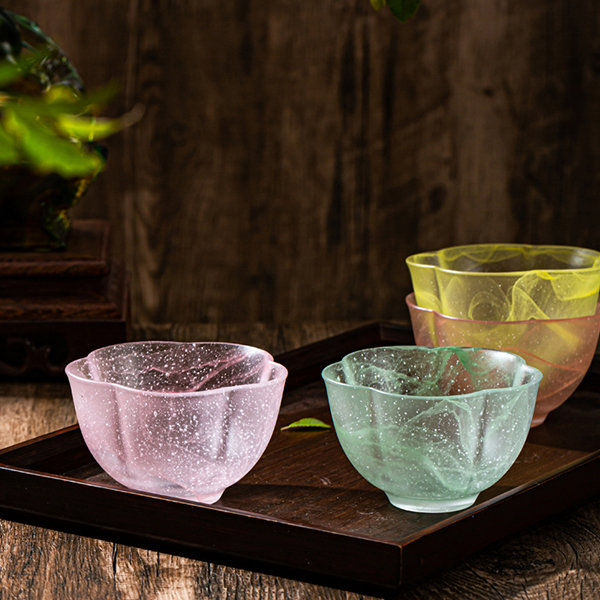
Here are some key points about colored glazes:

  1. Ingredients: Colored glazes typically consist of a base of silica (which makes it glassy), fluxes (which help the glaze melt at lower temperatures), and alumina (which gives it structure). The pigments or metal oxides (like copper, cobalt, or iron) are added to achieve various colors.
  2. Firing Process: The glaze is applied to the surface of the pottery and then fired in a kiln at high temperatures. During firing, the glaze melts and forms a smooth, glass-like finish. The final color and texture can be influenced by the firing temperature, the duration, and the kiln’s atmosphere (oxidizing or reducing).
  3. Types of Colored Glazes:
    • Transparent: These allow the underlying clay body or decoration to show through.
    • Opaque: These completely cover the surface and hide the underlying material.
    • Glossy: These glazes give a shiny, smooth finish.
    • Matte: These glazes have a non-reflective, soft texture.
    • Satin: These glazes are between glossy and matte, providing a soft sheen.
  4. Special Effects: Some colored glazes are designed to create special effects, like crackling (fine lines that form in the glaze) or metallic finishes.
  5. Application Methods: The glaze can be applied by dipping, brushing, spraying, or pouring.

Colored glazes are used not only for their aesthetic appeal but also to enhance the durability and functionality of ceramic pieces, providing protection and waterproofing.

Tags: colored glaze
Share this entry
  • Facebook Facebook Share on Facebook
  • X-twitter X-twitter Share on X
  • Whatsapp Whatsapp Share on WhatsApp
  • Pinterest Pinterest Share on Pinterest
  • Linkedin Linkedin Share on LinkedIn
https://www.icia.uk/wp-content/uploads/2024/12/0LrGoArray_12.avif 600 600 ICIA Media Center https://www.icia.uk/wp-content/uploads/2026/11/icia-logo-600-250.avif ICIA Media Center2022-12-06 18:47:002024-12-06 18:47:48colored glaze
Search Search
  • Global Gemstone & Fine Jewelry Market: Key News & Strategic Trend Outlook
  • ICIA Officially Prohibits Subjective “3A/5A/7A” Marketing Labels, Mandating 100-Point CCGS Empirical Standards Worldwide
  • The Timeless Appeal of Natural Jewellery
  • China’s Gem and Jewellery Industry: A Practical Overview
  • Geopolitical Impact Assessment on Mineral Assets
  • Latest Developments in Hong Kong’s Jewellery and Diamond Industry
  • 2026 Crystal Trends: What’s Rising, What’s Shifting, What’s Worth Your Money
  • Report on the Current Status and Market Outlook of the Crystal Industry (2026–2032)
  • Crystal Market Size | 2026–2035
  • Crystal & Gemstone Market Development Report — 2026
  • 2026 Jewelry Trends: The Big Shift Away from “Quiet”
  • Super hard “super diamond” developed in China, 40% stronger than natural diamond

Subscribe to our Blog

ICIA - International Crystal Industry Alliance

An independent, non-governmental international metrological and regulatory alliance establishing empirical crystal grading codices (CCGS, RCGS, MSGS) and sovereign ledger verification under English Common Law.

ICIA General Secretariat Hubs
London (United Kingdom) • Geneva (Switzerland) • Hong Kong
Governance & Organs
  • ICIA General Meeting
  • Board of Governors
  • ICIA General Secretariat
  • Institute of Gemstone & Mineral Research (IGMRI)
  • ICIA Crystal and Gemstone Academy (ICGA)
  • Ethics and Sustainability Committee (ESC)
  • OAISS Supervision Service
Charter & Compliance
  • ICIA Charter & Bylaws
  • ICIA Arbitration & Appraisal Committee (IAAC)
  • ADRPS Regulations
  • GDPR & Data Protection
  • Global Privacy Policy
  • Copyright & Legal Notice
  • Contact General Secretariat
Trust & Metrology
• OAISS SUPERVISED
• MICRO-FTIR 3054 cm-1
• IGSTS • cert.icia.uk
• CCGS (4C+1I) • RCGS (5R) • MSGS (4M)
Verify Ledger →
ICIA Sovereign Seal

ICIA SOVEREIGN SEAL
EST. 2015 • LONDON & GENEVA

OAISS SUPERVISED
SUPERVISION SERVICE

IGMRI METROLOGY
MICRO-FTIR 3054 cm-1

CODEX STANDARDS
CCGS (4C+1I) • RCGS (5R) • MSGS (4M)

IGSTS LEDGER
SHA-256 • CERT.ICIA.UK

Statutory Legal Disclaimer: ICIA (International Crystal Industry Alliance) is an independent, non-governmental regulatory alliance. Certifications issued under the authority of the ICIA Certification Council pursuant to CCGS (4C+1I), RCGS (5R), and MSGS (4M) empirical frameworks verify physical specimen properties at the time of laboratory inspection and do not constitute a direct commercial guarantee of secondary market liquidity.
© 2015–2026 International Crystal Industry Alliance (ICIA™). All Rights Reserved.
Administered by ICIA General Secretariat • Statutory Seat: London, UK
Link to: The process of crystal grading and what each grade means Link to: The process of crystal grading and what each grade means The process of crystal grading and what each grade means Link to: Green Apatite Link to: Green Apatite Green Apatite
Scroll to top Scroll to top Scroll to top