
Brucite
Brucite is a relatively rare and soft mineral that belongs to the hydroxide group. It’s composed primarily of magnesium hydroxide (Mg(OH)₂) and is known for its distinctive translucent to opaque appearance, which can range in color from pale green and yellow to colorless, white, or blue. Although it’s not commonly used in mainstream jewelry, it has unique properties that make it of interest to collectors, mineral enthusiasts, and those interested in metaphysical healing.
Characteristics of Brucite:
- Color: The most common color of brucite is pale green, but it can also occur in yellow, blue, colorless, or white forms. The green and yellow varieties are typically the most visually appealing and sought after for decorative purposes.
- Transparency: Brucite can range from transparent to translucent to opaque. The more transparent or translucent specimens are considered more valuable, as they showcase the mineral’s crystalline structure and ability to catch the light.
- Hardness: On the Mohs scale of hardness, Brucite is quite soft, with a rating of 2.5 to 3. This makes it relatively fragile and not typically used in jewelry, as it is prone to scratching and damage. It’s more commonly used in mineral collections and specimen displays.
- Luster: Brucite typically has a vitreous (glass-like) to pearly luster, which adds to its aesthetic appeal when cut or polished. The stone’s luster can enhance its translucency, especially in higher-quality specimens.
- Crystal Structure: Brucite crystallizes in the monoclinic crystal system, typically forming tabular or prismatic crystals. It may occur as individual crystals or in compact, massive forms.
Formation and Occurrence:
Brucite forms in metamorphic and sedimentary rocks, usually as a result of metamorphism of magnesium-rich rocks such as dolomite or magnesite. It can also form in hydrothermal veins and is often associated with minerals like magnesite, talc, and serpentine.
Brucite is relatively rare compared to other minerals, and its occurrence is often localized. Notable sources of brucite include:
- Pakistan (particularly the Khyber Pakhtunkhwa region),
- China,
- Afghanistan,
- Canada, and
- United States (particularly California and Arizona).
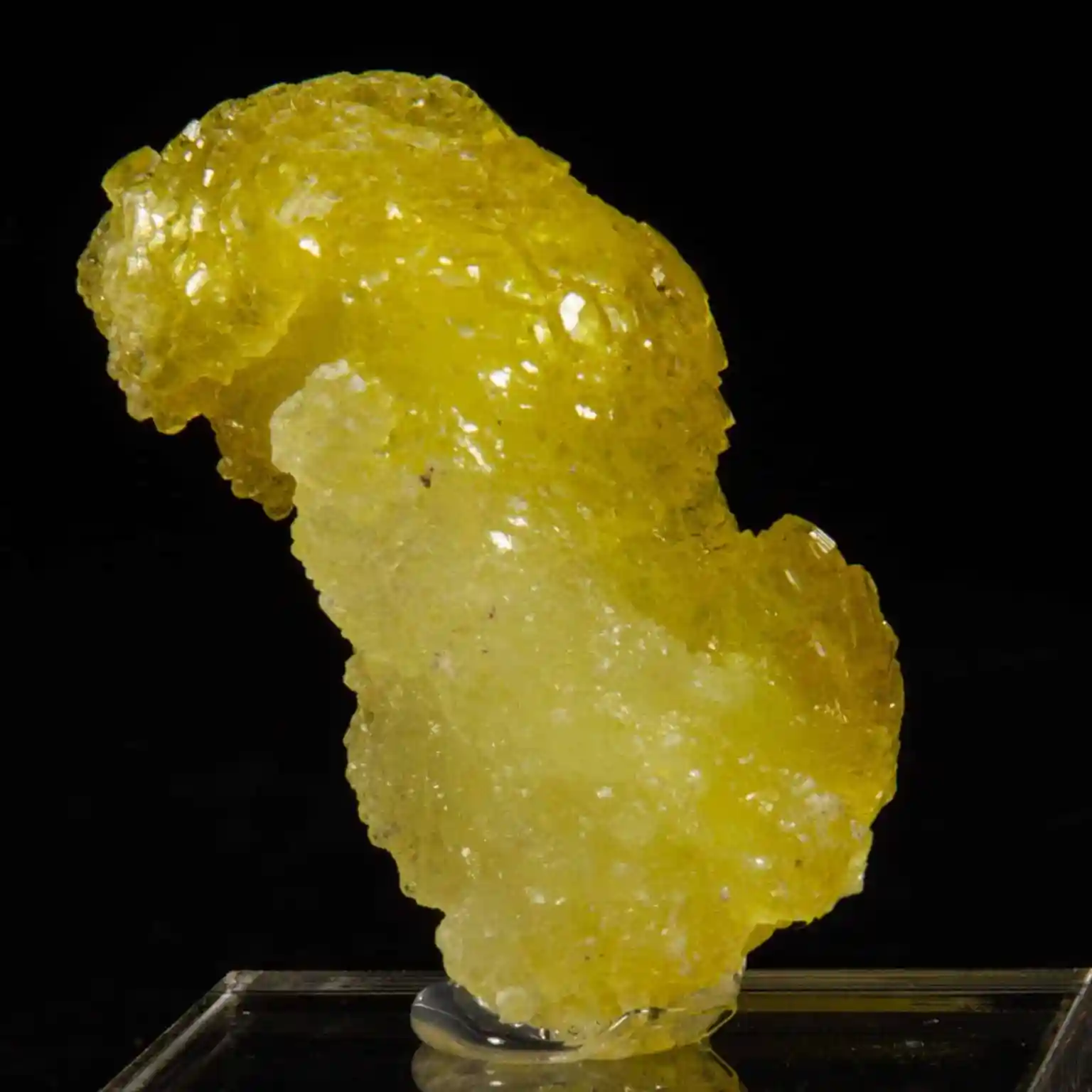
Brucite’s scarcity and distinctive appearance make it an interesting mineral for collectors, but its softness limits its use in industrial applications.
Uses:
While brucite is not typically used in mainstream jewelry due to its softness, it is sometimes employed for more decorative purposes, such as:
- Mineral Specimens: Brucite is valued as a collector’s specimen for its unique crystalline form and color, particularly when it occurs in large, well-formed crystals.
- Lapidary Work: Some soft specimens of brucite are polished and shaped into cabochons or beads for use in lapidary projects, but they are generally not durable enough for everyday jewelry wear.
- Metaphysical Uses: Brucite is sometimes used in crystal healing and meditation, particularly when a softer, calming energy is desired.
Symbolism and Healing Properties:
Brucite is not widely known in the mainstream metaphysical community, but like many minerals, it is believed to have certain healing properties. Because of its soft, translucent nature, Brucite is associated with:
- Calming and Emotional Healing: Brucite, especially in green and yellow forms, is said to promote emotional calmness and tranquility. It’s thought to help with stress reduction, emotional balance, and peace.
- Mental Clarity and Focus: Green Brucite, in particular, is believed to stimulate the heart chakra and support emotional healing. It’s said to help clear mental confusion, promote a peaceful mind, and enhance mental clarity.
- Healing of the Physical Body: In some traditions, Brucite is thought to have a soothing effect on the nervous system and is used in energy healing practices to support physical and emotional recovery.
- Personal Growth: Brucite is considered a supportive stone for those undergoing personal transformation, helping to align one’s emotional state with higher ideals and balance.
Because it resonates with the heart and throat chakras, it is thought to help open communication and foster a sense of openness and peace, making it beneficial for individuals who are trying to resolve internal conflicts or emotional distress.
Value and Rarity:
Brucite is relatively rare, especially in the larger, more visually appealing crystals. Due to its softness, it is not a high-demand gemstone for use in jewelry, but it can be valuable as a collector’s specimen or in mineral displays.
- Collectors’ Mineral: The value of brucite is primarily as a specimen mineral. Rare, well-formed crystals of brucite in attractive colors (particularly green or yellow) can fetch a premium price in the mineral market.
- Affordability: Since it’s not widely used in commercial applications and is softer than many other gemstones, brucite is generally affordable compared to higher-demand minerals.
Care and Maintenance:
Because of its low hardness, Brucite requires careful handling:
- Avoid Impact: Brucite should be kept away from hard surfaces and should not be dropped or subjected to any impact, as it is prone to fracture.
- Cleaning: It can be cleaned with a soft cloth and mild soapy water. Avoid harsh chemicals or ultrasonic cleaning, as they can damage the surface.
- Storage: To protect from scratches, it is best to store brucite separately from harder gemstones, in a soft pouch or padded container.
Though brucite is a rare and relatively soft mineral, its striking color and metaphysical properties make it of interest to collectors and crystal enthusiasts. If you’re considering it for decorative or healing purposes, it’s important to handle it gently to preserve its natural beauty.
Would you like more information on how to use brucite in specific collections or healing practices, or about other types of minerals that share similar properties?