Powerful Clear Gemstones
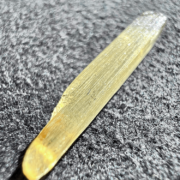
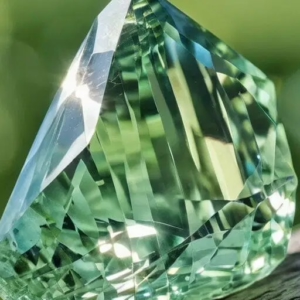
Gemstones have a variety of uses. Along with a variety of colors such as yellow and violet, they also occur as transparent crystals. These are called clear gems because they lack coloration.
They are often found in clusters, sometimes forming large masses. Clear stones are usually harder than colored ones.
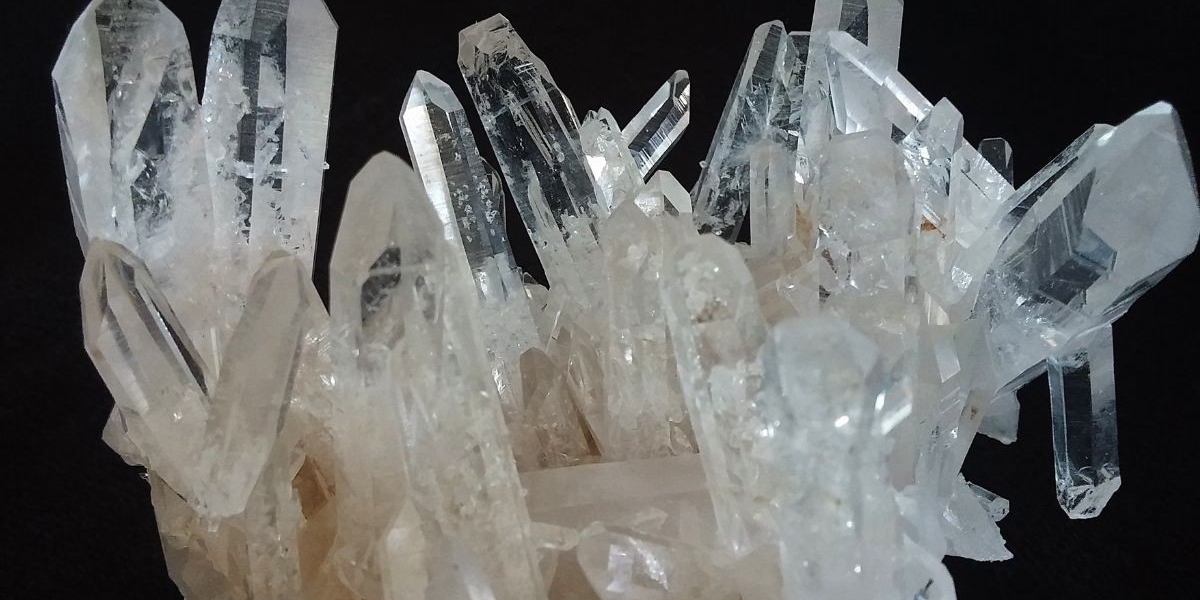
Clear gemstones are often overlooked because of their lack of sparkle. However, there are many types of clear gems that add beauty and intrigue to jewelry designs.
Clear gemstones are a beautiful addition to any style. They add a unique glow to any outfit. So, If you want to make sure that your jewelry looks extra special, consider adding some clear gemstone pieces to your collection.
Here are some types of clear gemstones you should know about.
1. Clear Scapolite
Scapolite is one of the rarest of all gemstones. Its rarity makes it very expensive, especially in terms of carats. In fact, some specimens sell for millions of dollars. Most commonly, the gemstone is found in Brazil.
The name “scapolite” comes from the Italian word “scapo,” meaning “shell.” This refers to the shape of the mineral. Also, the term “lamellar” is used to describe the structure of the mineral. Lamellar refers to layers of minerals that are parallel to each other.
2. Colorless Fluorite
Fluorite is one of the rarest minerals on Earth. It’s also one of the hardest. This makes it perfect for use in gemstones, but not so great for jewelry. The reason why fluorite is so hard is that it contains calcium fluoride, which is very brittle.
As such, it’s often used in industrial applications like dental fillings and chemical processing.
However, there are some beautiful forms of fluorite that don’t contain calcium fluoride. These include colorless fluorites, which are especially popular in pendants.
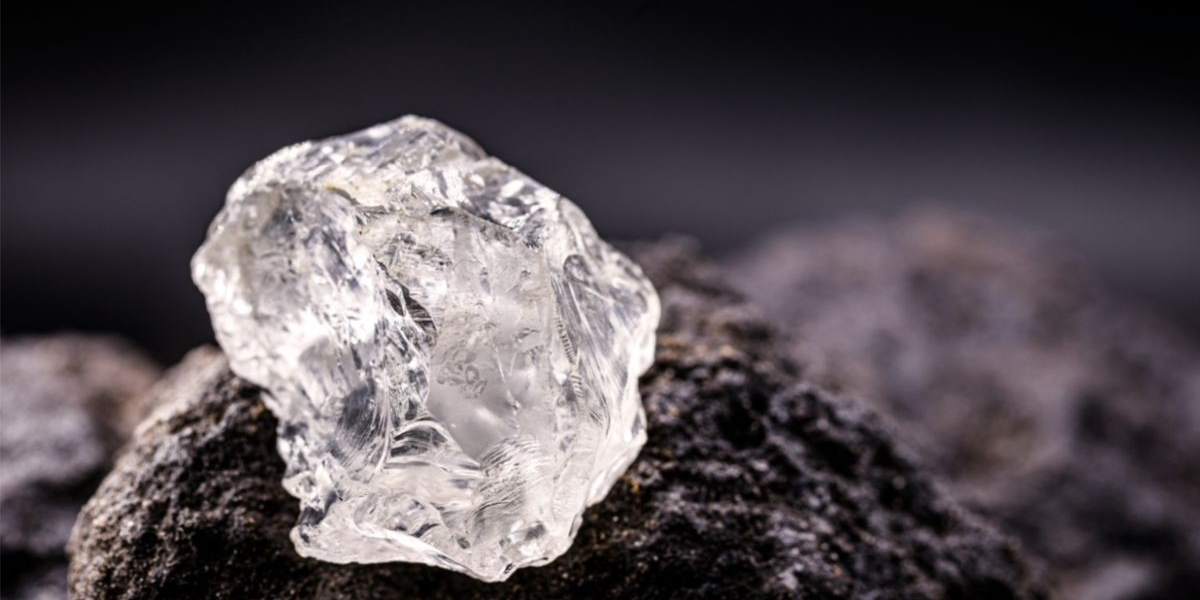
3. Colorless Orthoclase
Orthoclase is one of the most common members of the feldspar family, a mineral family that includes quartz, pyroxenes, amphiboles, micas, garnet, tourmaline (see also ‘Black Tourmaline: Everything You Need To Know‘), and others.
Feldspars are typically white or grayish, although some varieties such as orthoclase are transparent.
They often occur in massive bodies like pegmatites and granite, where they form within the rock body itself rather than as veins or crystals.
Orthoclase belongs to the orthoclinic crystal system, meaning it has no cleavage planes. This characteristic gives it a smooth appearance. In addition, orthoclase is characterized by having six faces, each of which is either flat or slightly convex.
4. Silver Topaz
Topaz is one of the most common gemstones mined today. It is found worldwide in many different colors and shades. Most often it is colored yellow, brownish orange, red, pink, grayish green, olive green, light purple, dark purple, black, or even blue.
But there is a unique silver topaz too.
The name “topaz” comes from the Greek word “tophos”, meaning “to cut”. This refers to the fact that topaz is easily scratched by hand.
In ancient times, topaz was believed to bring good luck. For example, Cleopatra wore topaz around her neck as a pendant. She thought it would protect her against evil spirits.
5. Colorless Idocrase
Idocrase is a rare form of quartz that contains no iron. This makes it colorless, unlike most forms of quartz, which have varying degrees of red, orange, brown, black, etc.
The gemstone is often found in volcanic rocks, such as those in Hawaii and Iceland. In fact, the island of Bali is famous for producing large quantities of the stone.
The name “idocrase” comes from the Greek word for “uncolored.”
In addition to being colorless, it is also transparent and translucent. This unusual combination makes it one of the most sought-after minerals among collectors.
6. Clear Quartz
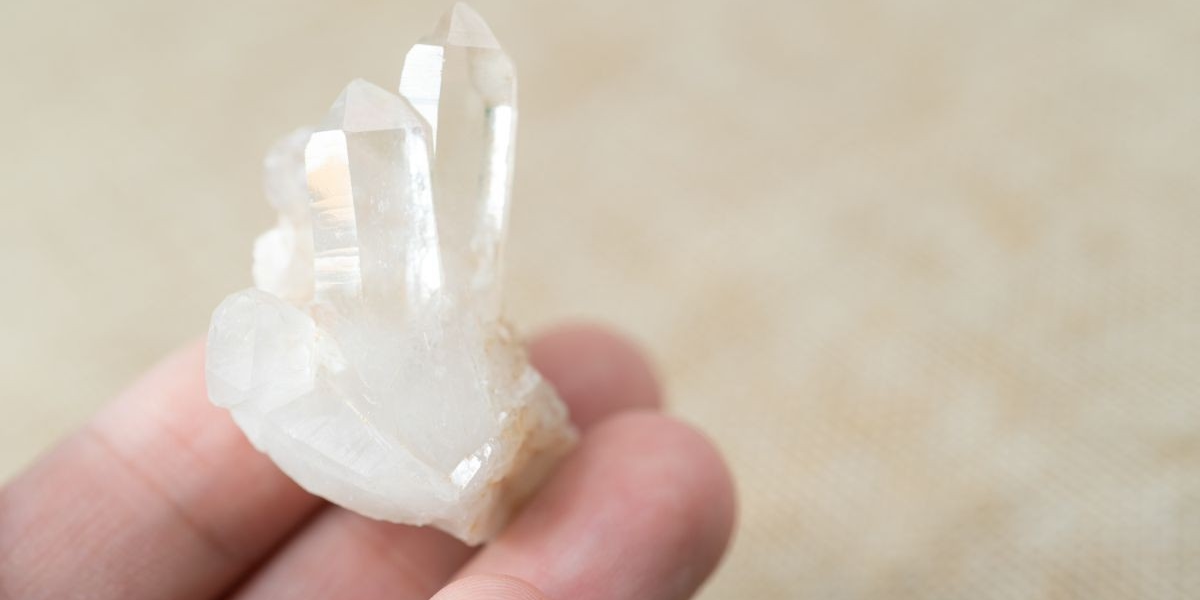
Clear Quartz is one of the most popular crystals used for healing purposes. It is part of the triclinic crystal system and has a transparent appearance. It is also called Crystal Quartz because it is composed of silicon dioxide.
This stone is often associated with love, relationships, and protection.
Clear Quartz is one of the most powerful stones in the world because it absorbs, stores, and regulates the flow of energy. This makes it great for healing and balancing emotions. It helps us find our center and ground ourselves.
When we feel scattered and out of sorts, we often look for something to help us calm down and focus again.
When we’re feeling overwhelmed by life’s challenges, we tend to become reactive and overreact to situations. We lose sight of the bigger picture and don’t see how things fit together. Clear Quartz helps us regain perspective and brings us back into alignment.
Appearance
This type of quartz tends to have a very smooth appearance, and it’ll usually be completely white or grayish white. In some cases, however, you might see a few small black spots scattered throughout the stone.
These are called inclusions. They don’t affect the quality of the crystal, but they do make it slightly less attractive.
Uses
Some believe that sleeping with Clear Quartz under your bedsheets will help you fall asleep faster and wake up feeling refreshed. Others think that placing it in the bathroom will bring clarity to daily decisions and help you make better choices.
Still others say that wearing Clear Quartz jewelry helps you feel grounded and centered. Whatever works best for you, we recommend keeping it close by.
Clear Quartz gets a lot of energy from the world around us. By wearing it as jewelry or holding it in your hand, you are bringing it into contact with the outside environment and helping it to become active.
If you want to keep it charged up, carry it with you everywhere you go.
You can also awaken your Clear quartz by meditating with it. This helps it to tune in to the energies of the earth and the cosmos.
7. Snow Quartz
Although not exactly ‘clear’ Snow Quartz is still a colorless gemstone and is considered one of the most beautiful crystals you’ll ever lay your eyes upon. This stunning gemstone is a perfect balance of natural beauty and spiritual energy.
Its unique properties are ideal for balancing emotions, clearing negative energies, and bringing peace and joy into our lives.
The snow quartz crystal is the birthstone for December, making it a great gift for anyone born during this month. It is believed to protect against negativity and encourage positivity.
9.Colorless Chrysoberyl
Chrysoberyl is a member of the beryl group of minerals. Beryls are named after the Greek word “beryllos”, meaning ‘silver’. They occur in many colors including white, yellow, green, red, brown, blue, black, pink, violet, orange, gray, purple and brownish-purple.
Most chrysoceramics are colorless, although there are exceptions such as the famous Hope Diamond. Chrysoceramics are usually transparent to translucent, but are sometimes opaque.
10.White Sapphire
A white sapphire is a type of corundum, a mineral composed primarily of aluminum oxide. Corundum is one of the hardest minerals known. Sapphires are often referred to as “white diamonds,” although there are many different types of white sapphires.
White sapphires are usually colorless or slightly colored, but some varieties are red, pink, orange, yellow, green, brown, violet, gray, black, blue, or even purple.
Blue sapphires are rarer than white ones, because it requires high pressure and temperature conditions to form. They’re also harder to find because they tend to be smaller than white sapphires, and are therefore less likely to survive being cut into gems.
11.Colorless Enstatite
While usually opaque to transparent, enstatite also appears as clear stones. Clear crystal can also be cut from thin slices of the colored varieties of Enstatite, including white, yellow and green, and is often used as an ornamental material.
This clear stone may also be glassy in appearance, and has a hardness between five and six on the Mohs Scale.
12. Goshenite
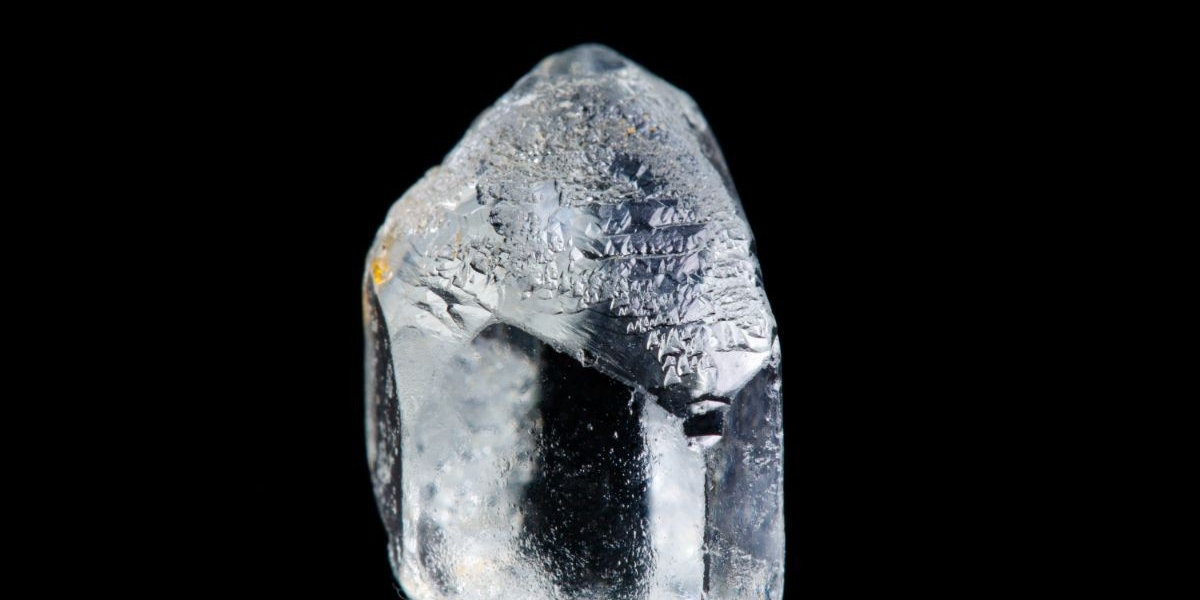
Known as emerald green when green, and aquamarine blue when blue, beryl occurs in clear stones. These clear gems are called goshenites, a name derived from the town of Goshen, Massachusetts, home to the original discovery.
Beryl in general represents the birthstone for October. Astrologically, beryl is the gemstone of the zodiac sign Scorpio.
13. Clear Topaz
Topaz is naturally colorless and transparent like a diamond. The famed “Braganza Diamond” was thought to be the world’s largest diamond (before the Cullinan).
At 1,680 carats, it was set into the Portuguese crown jewels as a symbol of Portugal’s wealth. But it wasn’t until much later that modern tests revealed it to be a clear topaz rather than a diamond. Today, the original stone remains in the Portuguese crown jewels.
Conclusion
Clear gemstones are beautiful and unique. Each has their own unique characteristics and healing properties. You can use them to decorate your jewelry box, wear them as rings, pendants, earrings, necklaces or bracelets.
In addition to the above you can also use clear gemstones in meditation practices such as yoga and mindfulness or just keep them close by when you need some extra support or energy release.