Citrine: Properties, Uses and Virtues
Citrine: A little bit of sunshine
Citrine, an enchanting gem with brilliant yellow hues, has been prized for centuries for its enchanting allure and powerful healing properties. Known for its association with abundance and positivity, Citrine has captured the hearts of gem lovers and spiritual seekers alike.
Join us on a fascinating journey to explore the geological formation, historical significance and metaphysical attributes of this exquisite crystal.
Citrine: Table of contents
- Citrine Geological Formation
- Rough Citrine – Raw Beauty Revealed
- Sources – The Global Scope of Citrine
- Historical Significance of Citrine – Through the Ages
- Metaphysical Properties of Citrine – Illuminating energies
- Varieties of Citrine
- Citrine Colors
- Durability and Wearability of Citrine
- Citrine Enhancements – Preserving Natural Beauty
- Synthetic Citrine – La Nature en Laboratoire
- Imitations of Citrine – Discerning the Authentic
- Citrine Care – Preserving natural beauty
Citrine Geological Formation
Citrine, a variety of monocrystalline quartz, is formed by a combination of heat and pressure in the earth’s crust. This captivating gem is commonly found in quartz veins and geodes.
Its formation results from the interaction of iron impurities and radiation.
Rough Citrine – Raw Beauty Revealed
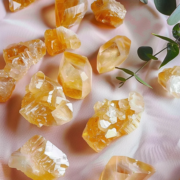
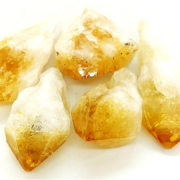
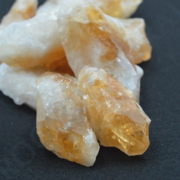
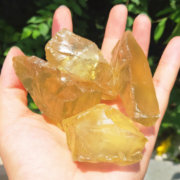
Citrine, like amethyst, is a monocrystalline quartz that displays a raw, captivating beauty in its natural crystal form. Uncut Citrine crystals take the form of hexagonal prisms terminating in rhombohedrons, radiating a warm, golden hue.
Sources – The Global Scope of Citrine
Most commercial-grade natural Citrines are found in Brazil, but they can also be found in different parts of the world, including Madagascar, Bolivia, Mexico and many others.
Each source contributes unique variations in color and clarity, making Citrine a diverse and sought-after gem in the jewelry world.
Historical Significance of Citrine – Through the Ages
Antiquity:
In ancient times, Citrine was thought to bring luck and success to merchants and traders, earning it the nickname “the merchant’s stone”. Its golden color was associated with the sun and the beneficial energies it brings, making Citrine a symbol of vitality and renewal.
Victorian era:
In the Victorian era, Citrine found its way into stunning jewelry pieces, adorned by high society as a symbol of opulence and elegance. It was also a popular choice to adorn crowns, tiaras and other royal jewelry, reinforcing its regal appeal.
After being neglected for some time due to its abundance on the market, Citrine has begun to make a comeback due to its warm, earthy tones.
Modern world:
Thanks to marketing efforts in recent years, Citrine is now accepted as an alternative for the November birthstone.
Metaphysical Properties of Citrine – Illuminating energies
In the realm of metaphysical beliefs, Citrine is considered a stone of abundance, success and positivity. It is believed to promote optimism, creativity and self-expression, enabling the wearer to embrace opportunities and attract prosperity into their life.
Like the warm rays of the sun, Citrine’s energy is said to bring light and joy, dispelling negativity and promoting inner harmony.
Varieties of Citrine
Citrine offers slight variations, each with its own unique appeal.
Natural citrine: Very rare, this citrine occurs naturally in its citrine state.
Quartz transformed into citrine: These citrines are originally various types of quartz, from smoky quartz to amethyst, which have been transformed by heating.
Citrine Colors
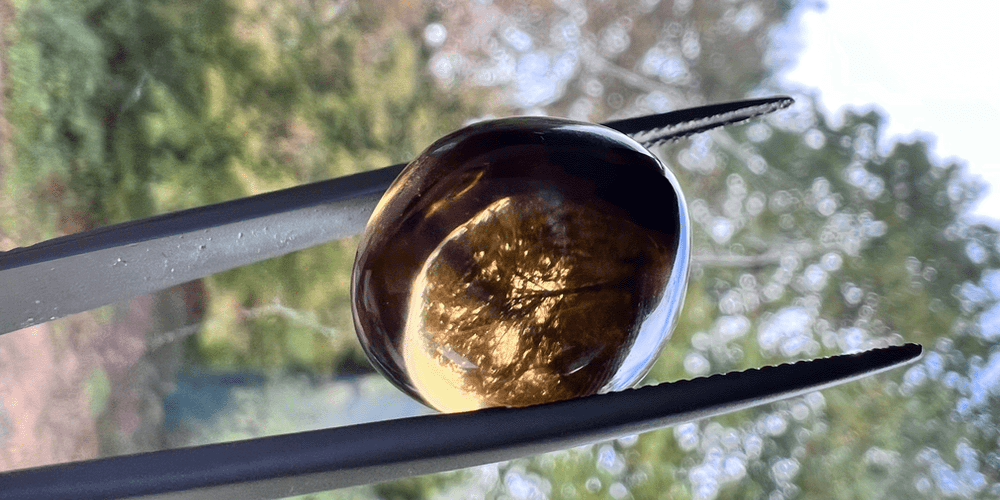
Natural citrine is quite rare and ranges from pale yellow to smoky yellow.
Heat-treated natural citrine gains warm, golden or caramelized tones. It is also very rare.
Quartz “transformed into Citrine” ranges from pale yellow to deep golden hues, including the highly prized Madeira orange.
Durability and Wearability of Citrine
Citrine has excellent durability, with a hardness of 7 on the Mohs scale. This level of hardness ensures that Citrine is suitable for various types of jewelry and can withstand the rigors of daily wear, allowing its beauty to endure over time.
Citrine Enhancements – Preserving Natural Beauty
Natural Citrine is a rare find and is highly prized for its natural beauty and positive energies.
Most Citrines on the market today are actually smoky quartz or amethysts that have been heat-treated to display a range of brilliant warm hues.
This treatment is very stable and widely accepted as a treatment, not an imitation.
Fun fact: The opposite is also true. If you expose a citrine to radiation, you get… an amethyst.
Synthetic Citrine – La Nature en Laboratoire
Synthetic citrine is produced using a process known as the “Verneuil method”.
These laboratory-grown gems are chemically identical to natural citrine and can be any shade from yellow to orange.
It’s important to buy from a reputable gemologist or jeweler, as it’s very difficult for a novice to tell them apart.
Imitations of Citrine – Discerning the Authentic
Citrine can sometimes be imitated or misrepresented by yellow glass, yellow topaz, scapolite, tourmaline, chrysoberyl, feldspar and yellow sapphire.
To ensure authenticity, buyers should exercise caution and purchase from reputable, certified gem dealers who can guarantee the gem’s true identity.
Citrine Care – Preserving natural beauty
Caring for Citrine jewelry is essential to preserve its timeless beauty. To preserve their brilliance, avoid exposure to aggressive chemicals and store them separately from other gems to avoid scratches.
Clean Citrine jewelry gently with mild soapy water and a soft brush, ensuring that its long-lasting allure remains intact.