
ICIA
  • Home
  • About Us
    • Who We Are
    • Global Governance
    • Headquarters & Global Labs
    • Team & Leadership
  • Standards
    • CCGS
    • RCGS
    • MSGS
    • Treatment Disclosure Guide
    • Gemstone Encyclopedia
  • Verification & Traceability
    • IGSTS 3D Biometric System
    • Certificate Search
    • Global Directory & Public Registry
  • Education & Research
    • IGAI
    • IGMRI
  • Membership & Compliance
    • CABCS
    • PCAS
    • OAISS
    • ERTAS
    • ADRPS
  • Media Center
    • Press Releases
    • Whitepapers & Downloads
    • Industry Blog & Trends
  • Click to open the search input field Click to open the search input field Search
  • Menu Menu

Aventurine: Properties, Uses and Virtues

February 22, 2022/0 Comments/in Gem Encyclopedia, Using Crystal/by ICIA Media Center

Aventurine: A dazzling spectrum of colors

Aventurine, also known as Quartz aventuriné or Quartz aventurescent, is a captivating member of the quartz family. Known for its connection to serenity and emotional healing, aventurine has captured the hearts of jewelry lovers and spiritual seekers alike.
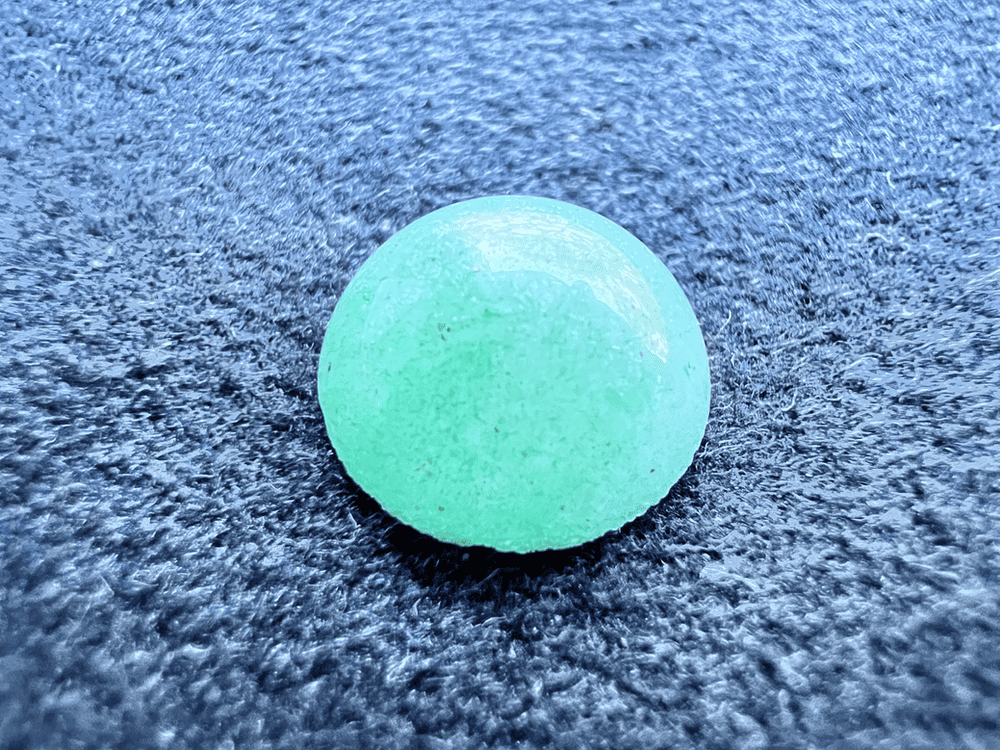
cabochon-cut green aventurine or aventurine quartz on a neutral background to illustrate a green gemstone
Aventurine or aventurine quartz – Photo © by Lauréline Colliard FGA

Aventurine: Table of contents
  • Aventurine Geological Formation
  • Rough Aventurine – Raw Beauty Revealed
  • Sources – Aventurine’s Global Reach
  • Historical Significance of Aventurine – Through the Ages
  • Metaphysical Properties of Aventurine – Illuminating energies
  • Aventurine Varieties
  • Aventurine Colors
  • Durability and Wearability of Aventurine
  • Aventurine Enhancements – Preserving Natural Beauty
  • Synthetic Aventurine – Nature in the Laboratory
  • Imitations of Aventurine – Discerning the Genuine
  • Aventurine Care – Preserving Natural Beauty

Aventurine Geological Formation

Aventurine is a variety of quartzite of the quartz family, with mica inclusions, formed by geological processes involving igneous and metamorphic activities. Its sparkling appearance, known as aventurescence, is due to the presence of platelet minerals, such as fuchsite, in the quartz matrix. This unique geological combination results in a captivating play of light that sets aventurine apart from other quartzites.

Rough Aventurine – Raw Beauty Revealed

Unlike many gems, aventurine has a distinctive polycrystalline structure, composed of compacted quartz grains and small crystals. It has no specific crystalline structure.

Sources – Aventurine’s Global Reach

Aventurine is found in many parts of the world, including Russia, Chile, Spain and India. Each source offers distinctive colors and characteristics, making aventurine a diverse and sought-after gemstone in the jewelry world.

Historical Significance of Aventurine – Through the Ages

Aventurine has historical significance dating back centuries, when it was revered for its properties and colors. Throughout history, this gem has been used in ornaments and amulets to attract good luck, abundance and prosperity. Its glittering appearance has captivated hearts and inspired artistic expression across cultures and civilizations.

Metaphysical Properties of Aventurine – Illuminating energies

In the realm of metaphysical beliefs, aventurine is considered a stone of serenity, emotional balance and well-being. It is believed to bring serenity and harmony, promoting a sense of inner peace and reducing stress and anxiety. Aventurine is also associated with healing the heart chakra, facilitating emotional healing and promoting a positive outlook on life.

Aventurine Varieties

Aventurine has no other varieties, only different colors.

Aventurine Colors

Aventurine is a gemstone that offers a captivating spectrum of colors, each with its own unique charm and symbolism.
  • Green aventurine: This well-known and sought-after stone of serenity owes its color to the chromium-rich mica known as fuchsite.
  • Gray to black aventurine: A mysterious, elegant variety known for its anchoring and protection. Its color is due to muscovite inclusions.
  • Blue aventurine: a variety of aventurine that owes its color to dumortierite inclusions.
  • Pink to red Aventurine, or Strawberry Quartz: A soothing to flamboyant hue associated with emotional healing and self-love. Its color is due to lepidolite inclusions.
Aventurine red to orange to brown: A flamboyant to comforting variety symbolizing vitality, passion and courage. Its color is due to hematite inclusions.

Durability and Wearability of Aventurine

Aventurine has good hardness, ranging from 6.5 to 7 on the Mohs scale, making it a durable gemstone suitable for a variety of jewelry styles. Its resilience ensures that aventurine can withstand everyday use and retain its bewitching charm for generations.

Aventurine Enhancements – Preserving Natural Beauty

Aventurine is sometimes dyed to enhance or create colors. In this case, it is possible to examine the surface and fractures of the stone where the dye will be concentrated.

Synthetic Aventurine – Nature in the Laboratory

Because of its many inclusions, aventurine quartz is not synthesized.

Imitations of Aventurine – Discerning the Genuine

As a sought-after gemstone, aventurine can be imitated or misrepresented. Buyers should be cautious of imitations, such as dyed Quartz, dyed Agate or aventurine glass, which could be presented as genuine aventurine. Buying from reputable, certified gem dealers guarantees the authenticity of the gem.

Aventurine Care – Preserving Natural Beauty

Caring for Quartz aventuriné jewelry ensures that its timeless beauty endures. To preserve their sparkling shine, avoid exposing Quartz aventuriné to aggressive chemicals or abrasive materials. Gently clean the gemstone with mild soapy water and a soft brush. Store Aventurine Quartz jewelry separately from other gemstones to avoid scratches and damage.

Tags: Aventurine
Share this entry
  • Facebook Facebook Share on Facebook
  • X-twitter X-twitter Share on X
  • Whatsapp Whatsapp Share on WhatsApp
  • Pinterest Pinterest Share on Pinterest
  • Linkedin Linkedin Share on LinkedIn
https://www.icia.uk/wp-content/uploads/2026/11/icia-logo-600-250.avif 0 0 ICIA Media Center https://www.icia.uk/wp-content/uploads/2026/11/icia-logo-600-250.avif ICIA Media Center2022-02-22 00:00:002022-02-22 00:00:00Aventurine: Properties, Uses and Virtues
You might also like
Red aventurine stone – properties, virtues & benefits
Aventurine
Green aventurine stone – properties, virtues & benefits
Aventurine stone – properties, virtues & benefits
Search Search
  • Global Gemstone & Fine Jewelry Market: Key News & Strategic Trend Outlook
  • ICIA Officially Prohibits Subjective “3A/5A/7A” Marketing Labels, Mandating 100-Point CCGS Empirical Standards Worldwide
  • The Timeless Appeal of Natural Jewellery
  • China’s Gem and Jewellery Industry: A Practical Overview
  • Geopolitical Impact Assessment on Mineral Assets

Subscribe to our Blog

Search Verification

Verify ICIA Certificate

Statutory Legal Disclaimer: ICIA is an independent, non-governmental regulatory alliance. Certification under CCGS/MSGS verifies physical specimen properties at the time of laboratory inspection and does not constitute a direct commercial guarantee of secondary market liquidity.

© 2015–2026 International Crystal Industry Alliance (ICIA™). All Rights Reserved.
ICIA Permanent Secretariats: London (United Kingdom) • Geneva (Switzerland) • Hong Kong
OFFICIAL ACCREDITATION • METROLOGICAL TRUST FRAMEWORK
OAISS REGULATED MICRO-FTIR 3054 cm⁻¹ cert.icia.uk LEDGER CPAFB £250k ESCROW 1958 NYC ARBITRATION
Legal Framework | GDPR Compliance | Statutory Bylaws | Contact Desk

Link to: Azurite: Properties, Uses and Virtues Link to: Azurite: Properties, Uses and Virtues Azurite: Properties, Uses and Virtues Link to: Aquamarine: Properties, Uses and Virtues Link to: Aquamarine: Properties, Uses and Virtues Aquamarine: Properties, Uses and Virtues
Scroll to top Scroll to top Scroll to top