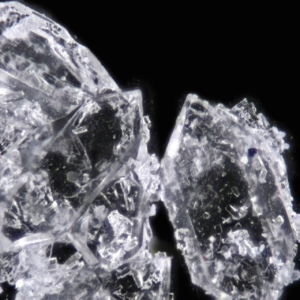
White Opal
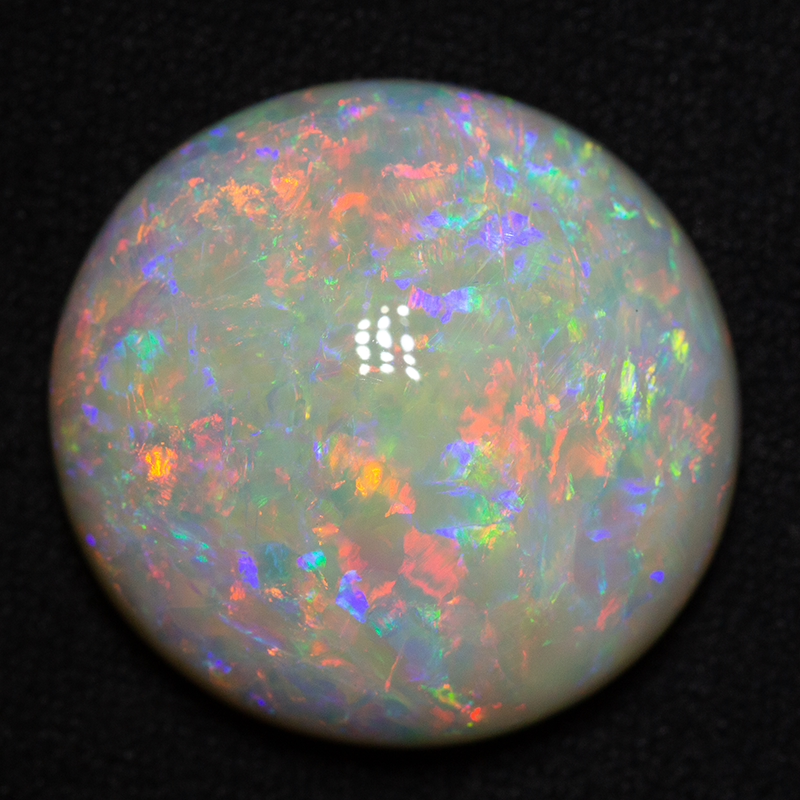
White Opal, also known as Milky Opal, is a stunning and popular type of opal characterized by its light, creamy body tone and vibrant play-of-color. It is among the most sought-after varieties of opals, valued for its beauty and versatility in jewelry.
Key Features of White Opal:
- Appearance:
- Base Color: White opals have a light, white, or creamy base color, which gives them a soft, ethereal appearance.
- Play-of-Color: One of the defining characteristics of white opal is its play-of-color—an iridescent effect caused by the diffraction of light through microscopic silica spheres within the stone. This creates flashes of rainbow colors, including reds, blues, greens, and yellows, that dance across the surface of the stone.
- Translucency: White opals can range from opaque to slightly translucent, with the latter sometimes referred to as crystal white opals.
- Source:
- The majority of high-quality white opals come from Australia, particularly from the opal fields of Coober Pedy, which is known as the “Opal Capital of the World.”
- Other sources include Ethiopia, Mexico, and Brazil, but Australian opals are considered the most valuable due to their vibrant play-of-color and durability.
- Formation:
- White opals form when silica-rich water seeps into cracks in rocks and evaporates over millions of years, leaving behind layers of silica spheres that create the unique optical properties of the opal.
- This process results in a stone that is made up of up to 20% water, making opals somewhat sensitive to environmental factors.
- Uses:
- Jewelry: White opals are widely used in jewelry, including rings, necklaces, earrings, and bracelets. Their neutral base color and vibrant play-of-color make them a versatile choice for various styles and settings.
- Healing and Symbolism: In metaphysical traditions, white opals are believed to enhance creativity, emotional balance, and spiritual connection. They are often associated with purity and hope.
- Properties:
- Hardness: White opal has a Mohs hardness of 5.5 to 6.5, which makes it softer than many other gemstones. This means it requires careful handling to avoid scratches or damage.
- Weight: Opals have a lower density compared to many gemstones, so they may appear larger for their carat weight.
- Luster: The polished surface of white opals exhibits a smooth, waxy luster that complements its play-of-color.
- Value Factors:
- Play-of-Color: The intensity, brightness, and pattern of the play-of-color significantly affect the value of a white opal. Stones with vibrant and diverse colors are more valuable.
- Clarity: While most white opals have some natural inclusions or cloudiness, cleaner stones with fewer blemishes are generally more prized.
- Cut and Shape: White opals are often cut into cabochons (domed shapes) to maximize their play-of-color. Freeform cuts are also popular for unique, artistic designs.
- Origin: Australian white opals are generally more highly valued than opals from other locations due to their superior quality.
Interesting Facts:
- October Birthstone: Opals, including white opals, are the traditional birthstone for October and are believed to symbolize hope and purity.
- Historical Significance: White opals have been admired since ancient times. The Romans considered them symbols of good luck, while the ancient Greeks believed they gave the wearer the gift of prophecy and protection.
- Modern Appeal: White opals have a timeless elegance that appeals to both contemporary and vintage jewelry designs.
Care and Maintenance:
- Avoid Extreme Conditions:
- Opals are sensitive to changes in temperature and humidity due to their water content, which can cause cracking or crazing (a network of tiny surface cracks).
- Keep opals away from prolonged exposure to direct sunlight or dry environments.
- Cleaning:
- Use a soft cloth or a brush with warm, soapy water to clean white opals.
- Avoid harsh chemicals, ultrasonic cleaners, or steam cleaning, as these methods can damage the stone.
- Storage:
- Store opals separately from harder gemstones to avoid scratches. Wrapping them in a soft cloth or placing them in a padded jewelry box is ideal.
- To prevent dehydration, it’s a good idea to store opals in a slightly humid environment or with a damp cotton pad.
Rarity and Value:
- Common vs. Precious White Opals: Not all white opals exhibit play-of-color. Those that do are classified as precious white opals and are significantly more valuable than common white opals, which lack this optical effect.
- Unique Patterns: White opals with rare or unique patterns in their play-of-color, such as harlequin, pinfire, or flame patterns, are particularly sought after by collectors.
Would you like assistance in identifying genuine white opals, tips for purchasing opal jewelry, or more details about their symbolic meanings?