Aegirine
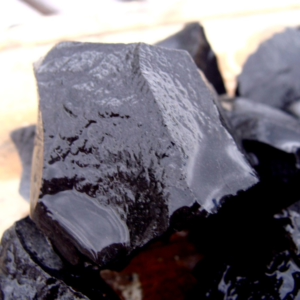
Aegirine is a fascinating mineral, often prized for its striking appearance and powerful metaphysical properties. It is a member of the pyroxene group, a class of silicate minerals, and is known for its vibrant green to black color, as well as its prismatic crystal structure.
Here’s a more detailed look at Aegirine:
1. Appearance:
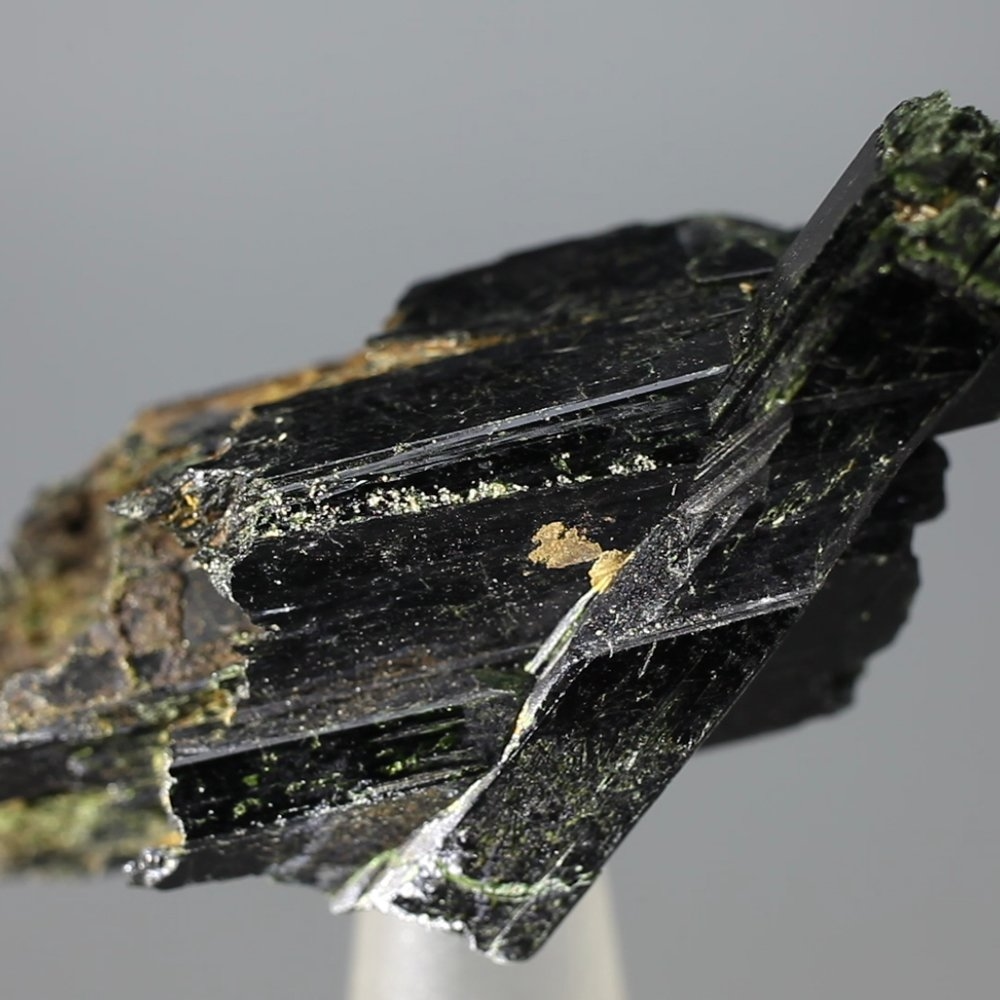
- Color: Aegirine is most commonly found in dark green, though it can also appear in black or brownish-green hues. The intensity of the color can vary depending on the size of the crystal and the specific conditions in which it formed.
- Crystal Structure: Aegirine forms in prismatic crystals that can be elongated and needle-like, giving the stone a distinct appearance. The crystals often have a shiny, glass-like luster.
- Transparency: Aegirine is typically opaque or translucent. While it may have some internal inclusions, it is usually solid in appearance.
2. Properties:
- Hardness: Aegirine has a Mohs hardness of 6 to 6.5, which makes it moderately durable. While it is harder than some softer stones, it can still be scratched by harder materials and should be handled with care.
- Luster: The stone has a vitreous (glass-like) to sub-metallic luster when polished, which enhances its visual appeal.
- Cleavage: Aegirine has distinct cleavage in one direction, which can make it susceptible to breakage if not handled properly.
3. Sources:
- Global Distribution: Aegirine is found in a number of locations around the world, including regions of the United States (California, Colorado), Brazil, and parts of Africa (Madagascar, Tanzania). It can also be found in Norway and Russia, though these locations are less common.
- Notable Locations: Some of the finest specimens of Aegirine are sourced from the Pegmatite deposits of Brazil and from mines in Norway.
4. Uses in Jewelry and Decoration:
- Gemstones: Due to its striking color and crystal form, Aegirine is occasionally used in jewelry, especially for statement pieces. However, it is relatively rare in commercial jewelry due to its relatively lower hardness compared to more common gemstones.
- Carvings and Sculptures: Aegirine is also valued in lapidary arts for its unique crystal structure. It is sometimes used for carvings and sculptures, particularly for ornamental and metaphysical purposes.
- Cabochons and Polished Stones: Aegirine can be cut into cabochons, polished stones, or beads, although its use in fine jewelry is limited because of its brittleness and cleavage.
5. Metaphysical and Healing Properties:
- Clearing Negative Energy: Aegirine is believed to have powerful cleansing properties, especially for clearing negative or stagnant energy. It is often used in healing practices to help remove blockages and bring balance to both physical and energetic systems.
- Energy Amplification: This stone is said to amplify energies and intentions, making it popular for meditation and energy work. It can help strengthen focus and bring clarity during spiritual practices.
- Grounding: Aegirine is considered a grounding stone, helping the wearer stay connected to the earth and to their higher purpose. It can also help reduce stress and anxiety by promoting a sense of calm and stability.
- Emotional Healing: Aegirine is thought to help with emotional healing by assisting in letting go of past emotional traumas and helping to rebuild trust and self-esteem. It is often used to aid in personal transformation and spiritual growth.
- Protection: Many consider Aegirine to be a protective stone, especially for protecting the wearer from negative energies, as well as from psychic or spiritual attacks.
6. Care and Maintenance:
- Cleaning: Aegirine can be cleaned using warm, soapy water and a soft cloth. Avoid using harsh chemicals or ultrasonic cleaners, as these could damage the stone.
- Handling: Due to its cleavage, Aegirine can break or fracture if it is hit or dropped, so care should be taken when handling or setting it in jewelry.
- Storage: Store Aegirine separately from other harder gemstones to avoid scratching or damage. It’s best to store it in a soft pouch or lined jewelry box.
7. Rarity and Cost:
- Aegirine is considered a relatively rare gemstone, especially in fine-quality crystals suitable for use in jewelry. Its unique green or black color and crystalline structure can make it highly collectible among mineral enthusiasts and metaphysical practitioners.
- Due to its rarity and the difficulty of cutting it into durable shapes, Aegirine can be more expensive than other more common stones of similar size.
8. Symbolism and Cultural Significance:
- Transformation: Aegirine is often associated with transformation, particularly in terms of personal growth and emotional healing. It is believed to help bring about positive change by clearing old emotional patterns and encouraging new growth.
- Cleansing: In spiritual practices, Aegirine is seen as a stone of purification, helping to cleanse negative energies and clear the aura.
- Protection: Aegirine is often used in protective rituals, especially in the context of shielding oneself from negative or harmful energy. It is also thought to protect during travel or when making significant life decisions.
9. Other Uses:
- Talisman or Amulet: Aegirine is often carried or worn as a talisman to enhance personal energy, provide protection, or help with emotional healing.
- Crystal Grids: Due to its ability to amplify energies, Aegirine is sometimes used in crystal grids for spiritual and energetic work.
- Chakra Healing: Aegirine is primarily associated with the heart chakra, helping to balance and clear energy blocks in this area, but it can also be used to activate other chakras for specific healing purposes.
Summary:
Aegirine is a powerful and rare mineral that is cherished both for its striking appearance and its metaphysical properties. While it is not as commonly used in mainstream jewelry due to its brittleness, it is prized by crystal collectors and metaphysical practitioners for its energy-clearing and protective qualities. Whether used for its beauty, its healing attributes, or both, Aegirine remains a fascinating stone with a wide range of uses.
Would you like to explore more about Aegirine’s metaphysical uses or its role in specific healing practices?