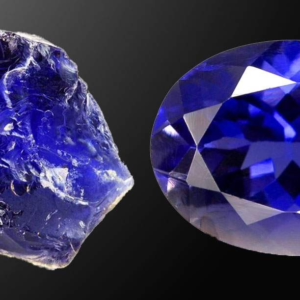
Grape Agate
Grape Agate is a unique and visually striking form of agate that gets its name due to its resemblance to bunches of grapes. This variety of agate forms in small, rounded, and often grape-like clusters of purple to lavender-colored nodules. It is a relatively recent discovery in the world of gemstones but has quickly gained popularity due to its beautiful appearance and the metaphysical properties associated with it.
Characteristics of Grape Agate:
- Color:
- Grape Agate is primarily found in shades of purple, ranging from soft lavender to deeper, rich violet hues. Sometimes, the agate may have translucent portions or a slight iridescence, giving it a mystical glow.
- The intensity of color can vary, and some specimens may show slight blue undertones or banding within the clusters.
- Formation:
- Grape Agate forms in botryoidal clusters, which means it grows in rounded, grape-like shapes. These small, spherical nodules are tightly packed together, giving the stone its characteristic “grape bunch” appearance.
- The mineral is a type of chalcedony, which is a microcrystalline variety of quartz, and it forms through the deposition of silica in cavities or vugs in volcanic rocks.
- The formation of Grape Agate typically occurs in hydrothermal veins or vugs created by volcanic activity, where mineral-rich fluids precipitate and form the characteristic nodules.
- Transparency:
- Grape Agate is usually opaque to translucent, with some of the nodules showing slight transparency near their edges. The surface of the stone can also be somewhat frosted or milky.
- Hardness:
- Like most agates, Grape Agate has a hardness of 7 on the Mohs scale, which makes it durable and suitable for jewelry. While it is relatively hard, it should still be handled carefully to avoid scratches or damage.
- Luster:
- The surface of Grape Agate often has a waxy or vitreous (glass-like) luster, which enhances its visual appeal. The smooth, rounded nodules can reflect light in a way that gives them a soft, glowing quality.
Geographic Locations:
- Indonesia: Grape Agate was first discovered in Indonesia in the early 2010s. The material comes from volcanic regions of the country, where the right geological conditions have allowed for its formation.
- Other Locations: While it is most commonly associated with Indonesia, Grape Agate has also been found in other volcanic areas, though its availability remains limited.
Uses:
- Jewelry:
- Grape Agate is often used in pendants, earrings, bracelets, and rings. Its unique appearance makes it a popular choice for statement jewelry pieces.
- The stone is sometimes cut into cabochons or left in its natural form to preserve its grape-like clusters, showcasing its organic and natural aesthetic.
- Decorative Items:
- Due to its striking visual appeal, Grape Agate is often used in decorative items such as crystal displays, geodes, and specimens. It is especially popular among collectors due to its rarity and unique appearance.
- Metaphysical Properties:
- Healing Properties: Grape Agate is believed to possess several healing properties, both emotional and physical. It is thought to help with:
- Emotional Healing: Grape Agate is associated with helping to clear negative emotional energy, encouraging self-acceptance, and calming stress and anxiety.
- Spiritual Growth: It is considered a spiritual stone, helping with spiritual awakening and awareness. Grape Agate is said to enhance one’s ability to connect to higher realms and understand their spiritual purpose.
- Creativity and Intuition: Many believe that Grape Agate enhances creativity, intuition, and mental clarity, making it useful for artists, musicians, and anyone seeking to tap into their creative energy.
- Chakra Healing: It is often associated with the crown chakra, helping to align and balance the energy flow of the body, and is said to support mental clarity, spiritual insight, and emotional healing.
- Healing Properties: Grape Agate is believed to possess several healing properties, both emotional and physical. It is thought to help with:
- Crystal Healing Grids:
- Like many crystals, Grape Agate is used in crystal grids for various purposes. It is particularly effective in energy grids designed to promote emotional healing, balance, and calm.
Metaphysical Properties:
- Spiritual Awakening:
- Grape Agate is often regarded as a stone that supports spiritual awakening and the expansion of consciousness. It is believed to help open the crown chakra, promoting higher spiritual awareness and the exploration of metaphysical realms.
- Emotional Healing:
- This crystal is said to help heal emotional wounds, clear negative energy, and encourage a positive mindset. Grape Agate is thought to be particularly beneficial for those dealing with emotional trauma, stress, or anxiety.
- Intuition and Creativity:
- As a stone of intuition, Grape Agate is often used in meditation to help enhance psychic abilities, intuition, and creativity. It can assist in self-expression, mental clarity, and even problem-solving.
- Calming and Grounding:
- Grape Agate is known for its calming properties, which can help to promote inner peace and balance. It is often used to relieve stress, calm an overactive mind, and restore emotional harmony.
Care and Maintenance:
- Cleaning:
- Grape Agate can be cleaned with warm, soapy water and a soft cloth. It is best to avoid harsh chemicals or ultrasonic cleaners, as these may damage the stone.
- Grape Agate’s surface is relatively smooth, but the nodules should still be handled carefully to avoid chipping or scratching.
- Handling:
- While Grape Agate is relatively durable (with a Mohs hardness of 7), it is important to handle it gently to preserve the integrity of the small clusters of nodules.
- Storage:
- Store Grape Agate in a soft pouch or fabric-lined box to protect it from scratches and damage. It is best to keep it separate from other gemstones, especially those that are harder and may cause abrasions.
Rarity and Value:
Grape Agate is considered relatively rare due to its unique formation and limited geographic distribution. The material is mostly found in Indonesia, and because it is not as widespread as other agates, high-quality Grape Agate can be more expensive than common agate varieties. The stone’s distinctive purple color and botryoidal clusters make it highly desirable for use in both jewelry and decorative displays, further adding to its value.
Conclusion:
Grape Agate is a beautiful and unique gemstone, known for its grape-like clusters, stunning shades of purple, and various metaphysical benefits. It is highly valued for its aesthetic appeal and healing properties, making it an excellent choice for both collectors and those interested in crystal healing. Whether used in jewelry, as a decorative specimen, or in spiritual practices, Grape Agate is sure to captivate and inspire.
Would you like to explore how Grape Agate can be used in specific types of jewelry or its role in crystal healing grids?