Morganite
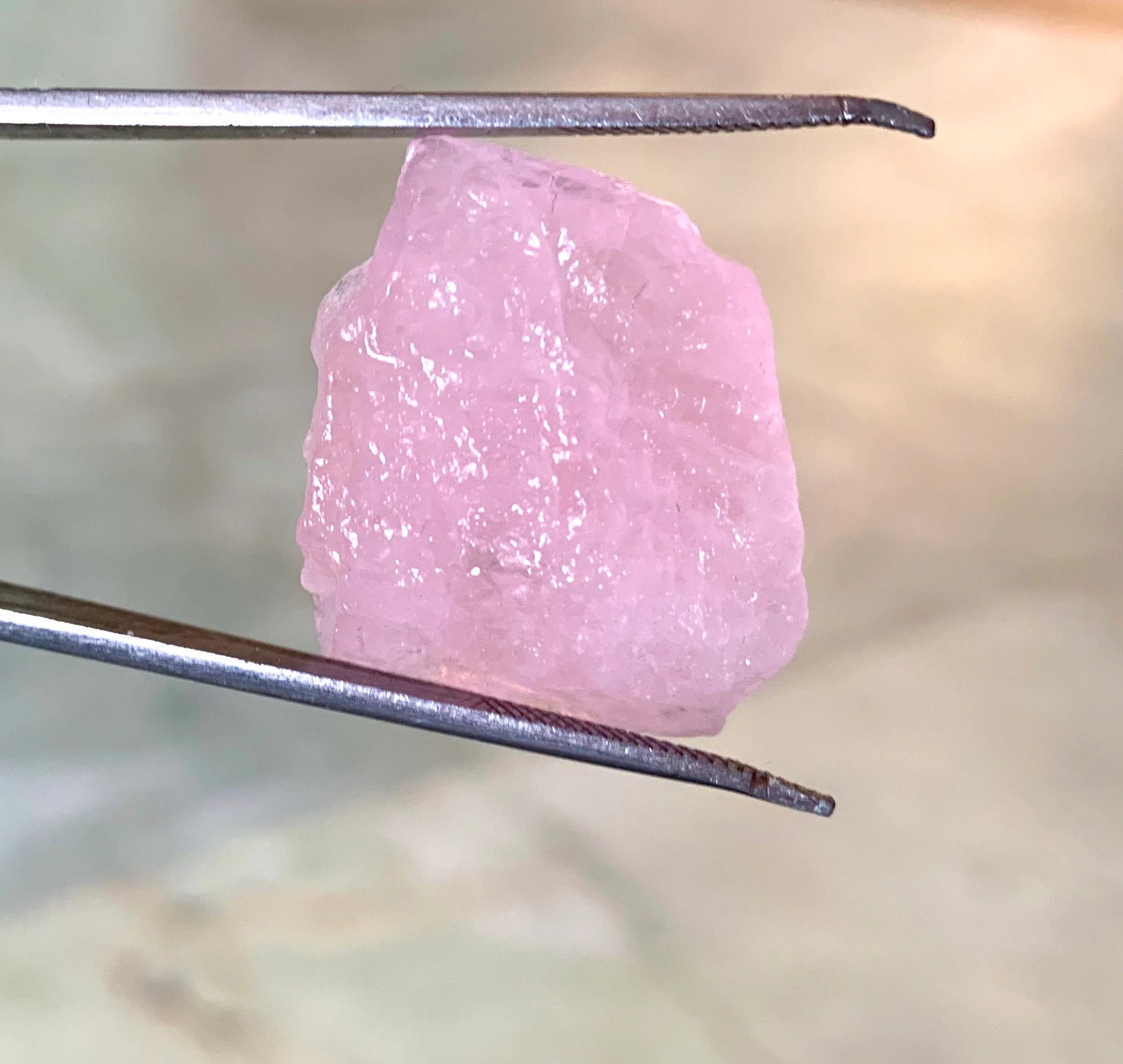
Morganite, a pink-to-peach gemstone, captivates gem enthusiasts and jewelers with its delicate hues and symbolic associations with love and compassion. As a member of the beryl family, it shares a lineage with other renowned gemstones like emerald and aquamarine. Its aesthetic appeal is matched by a compelling geological history and a fascinating relationship with the Earth’s processes.

Contents
- 1. Morganite: The Basics
- 2. The Formation of Morganite
- 3. Global Occurrence and Mining
- 4. Treatments and Enhancements
- 5. Morganite in Jewelry and Culture
- 6. The Economics of Morganite
- 7. The Scientific and Collector’s Perspective
- 8. Challenges and Future Prospects
- Conclusion
1. Morganite: The Basics
Mineralogy and Chemical Composition
Morganite is a variety of beryl, a beryllium aluminum cyclosilicate with the chemical formula Be₃Al₂Si₆O₁₈. The stone’s signature pink to peach hues result from trace amounts of manganese incorporated during its crystal formation. It crystallizes in the hexagonal system, which contributes to its durability and ability to form prismatic crystals.

Physical Properties
- Hardness: 7.5–8 on the Mohs scale, making it resistant to scratching and suitable for everyday jewelry.
- Specific Gravity: 2.71–2.90, relatively low for a gemstone, contributing to its light, elegant feel when worn.
- Luster: Vitreous, lending it a brilliant and polished appearance.
- Cleavage: Indistinct, adding to its toughness and making it less prone to fracturing.
Morganite’s optical properties, such as a refractive index of 1.57–1.58, contribute to its brilliance. When properly cut, the stone displays exceptional light reflection and dispersion, emphasizing its soft colors.
2. The Formation of Morganite
Pegmatitic Origins

Morganite forms in pegmatites, unique igneous rocks characterized by exceptionally large crystals and concentrations of rare elements. Pegmatites arise from the final stages of magma crystallization, when volatiles like water and rare elements concentrate in small pockets. This environment promotes the growth of large crystals, including beryl varieties.
In the case of morganite, trace amounts of manganese replace some aluminum ions within the beryl structure, resulting in the stone’s signature coloration. The ideal conditions for morganite formation include low-pressure environments and cooling rates slow enough to allow beryl to crystallize alongside manganese.
Geological Settings and Associated Minerals
Morganite is often found alongside other pegmatite minerals, such as:
- Tourmaline
- Quartz
- Spodumene
- Lepidolite
These minerals are indicators of the same geochemical processes that produce beryl crystals. Morganite may also coexist with other beryl varieties, including aquamarine (blue) and heliodor (yellow).
3. Global Occurrence and Mining
Morganite deposits are scattered worldwide, with notable locations including:

Brazil
Minas Gerais is a hotspot for pegmatite gemstones, producing vibrant pink and salmon-colored morganite. Brazil’s extensive pegmatite fields are renowned for their high gem quality and large crystal specimens.
Madagascar
Madagascar is a leading source of morganite, offering stones with rich, saturated pink hues. The country’s pegmatites yield high-quality material, often sought after by fine jewelers.
Afghanistan and Pakistan
The pegmatites of the Hindu Kush and Himalayan regions are prolific sources of gem-quality morganite. Stones from these regions are often well-formed and richly colored, reflecting the complex geology of their mountainous origins.
United States
Morganite was first discovered in California in the early 20th century. The Pala region, known for its pegmatite mining, has produced exceptional morganite crystals. While mining activity has declined, the region holds historical significance for morganite discovery.
4. Treatments and Enhancements

Morganite is frequently subjected to heat treatment to enhance its color. This process can:
- Remove yellowish or brownish tints.
- Intensify the pink and peach hues.
These treatments are stable and widely accepted in the gem trade. Unlike some gemstones, morganite is rarely treated with synthetic coatings or dyes, preserving its natural appeal.
5. Morganite in Jewelry and Culture

Symbolism and Meaning
Morganite is often associated with love, emotional healing, and compassion. Its soft pink hues symbolize romance, making it a popular alternative to diamonds for engagement rings. In metaphysical beliefs, morganite is thought to foster peace and foster strong relationships.
Uses in Jewelry
Morganite’s durability and pastel palette make it a versatile choice for a wide range of jewelry, including:
- Engagement rings
- Pendants
- Earrings
- Bracelets
Its popularity as a gemstone surged in recent years, particularly in minimalist and vintage-inspired designs.
6. The Economics of Morganite

Market Value
Morganite’s affordability compared to diamonds and other high-end gemstones makes it a sought-after alternative for budget-conscious buyers. Its value depends on several factors, including:
- Color: Richer pinks fetch higher prices.
- Clarity: Eye-clean stones are more valuable.
- Size: Larger stones command premium prices due to their rarity.
Ethical Considerations
As with all gemstones, concerns over ethical sourcing and environmental sustainability have become critical. Increasing transparency in the supply chain and adopting responsible mining practices have enhanced consumer trust.
7. The Scientific and Collector’s Perspective
Research Value
Morganite provides valuable insights into pegmatite formation and the geological processes that concentrate rare elements. Its trace elements offer clues about the conditions and chemistry of the Earth’s crust during crystallization.
Collector Appeal
Fine specimens of morganite are highly prized by collectors. Large, well-formed crystals can command significant prices in the mineral and gemstone markets.
8. Challenges and Future Prospects
Challenges
- Imitations: Synthetic stones and imitations made of glass or quartz may deceive buyers.
- Durability Concerns: While hard, morganite can chip or fracture under heavy impact.
Opportunities
- Sustainability: The growing demand for ethically sourced gemstones offers an opportunity to promote environmentally friendly mining practices.
- Customization: Morganite’s versatility in color and cut allows for highly personalized jewelry designs.
Conclusion
Morganite is not just a gemstone but a testament to Earth’s intricate geological processes. Its journey from deep within pegmatite veins to polished jewelry pieces reflects the dynamic interplay of chemistry, time, and artistry. Whether cherished for its beauty or studied for its scientific significance, morganite continues to shine as a versatile and enduring gem in both geology and jewelry.