Abalone Shell
Abalone shells, renowned for their iridescent beauty and durability, are marine mollusk shells primarily found in cold coastal waters worldwide, especially along the coasts of North America, Japan, New Zealand, and South Africa. These shells are part of the Haliotidae family, with over 50 species, each with unique characteristics. Known as “ear shells” due to their flattened, ear-like shape, they have significant geological, biological, cultural, and industrial importance.

Contents
- Geological Formation and Composition of Abalone Shells
- Structure and Properties
- Distribution and Habitat
- Uses of Abalone Shells
- Conservation and Environmental Impact
- The Role of Abalone Shells in Research
- Future Perspectives
Geological Formation and Composition of Abalone Shells
Geologically, abalone shells are fascinating due to their composition, which combines calcium carbonate (CaCO₃) in the form of aragonite, a crystal polymorph, with small amounts of organic proteins. This structure, called nacre or mother-of-pearl, is an exemplary natural composite material that achieves both strength and resilience. The shell layers develop as the abalone secretes proteins and minerals, which harden into a durable exterior over time.

In the geological context, abalone shells have contributed to sediment layers and marine deposits along coastlines. The breakdown of abalone shells over centuries, particularly in environments without high sediment disturbance, can add calcium carbonate to the surrounding sediment, influencing the chemistry and structure of marine ecosystems. This natural deposition process can contribute to the formation of limestone in areas where abalone populations are historically abundant.
Structure and Properties

The unique structure of abalone shells is a significant focus of materials science due to the way they achieve a balance of toughness and resilience. The shells are structured in layers, with microscopic aragonite plates bound together by biopolymer proteins that act like a natural adhesive. This “brick-and-mortar” arrangement allows abalone shells to absorb and dissipate energy, which prevents cracks from spreading easily—a phenomenon called “toughness” in materials science.
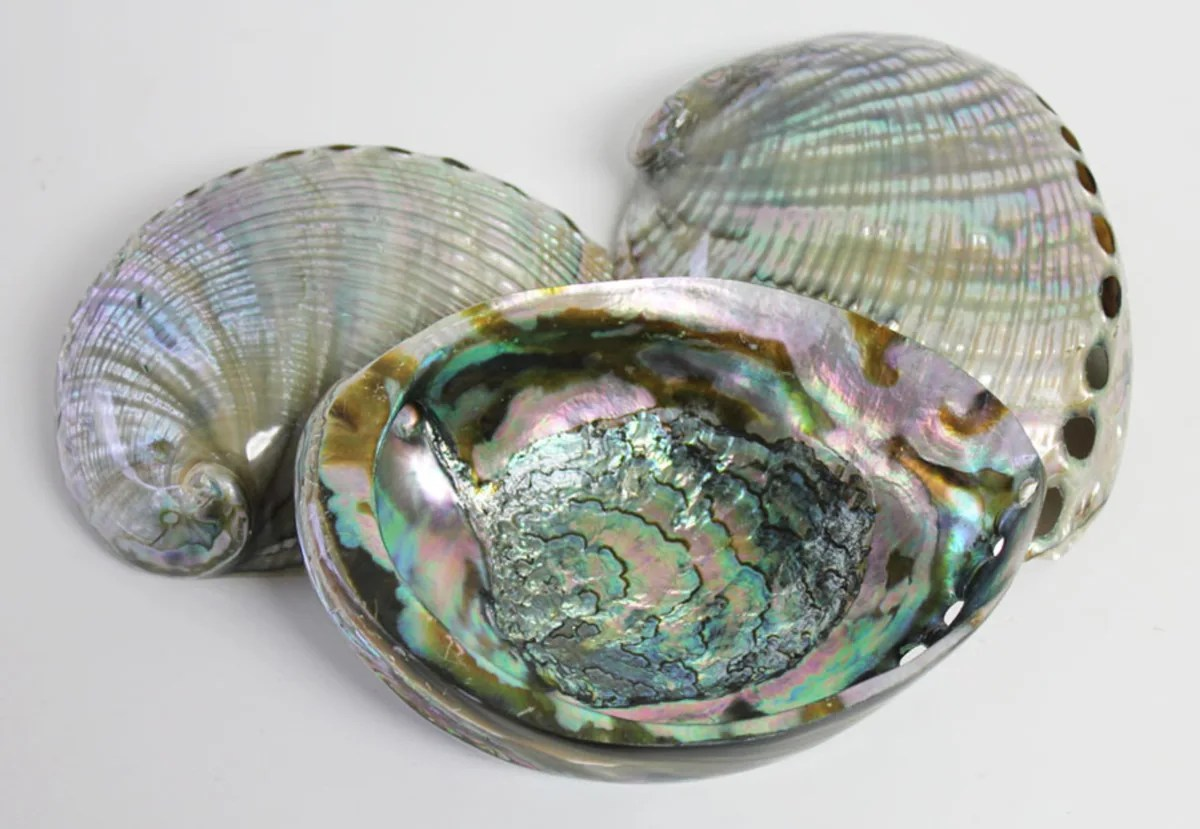
The outer layer of the abalone shell is typically rough and provides protection against predators, while the inner layer (nacre) is smooth and iridescent. The iridescence is caused by the way light interacts with the microstructure of nacre, creating interference patterns that produce a rainbow-like appearance. This lustrous interior is the primary reason for the abalone’s aesthetic and commercial value.
Distribution and Habitat
Abalone shells are primarily found in temperate and cold waters, where they are attached to rocky surfaces. They are common along the western coasts of North America, especially California, where several species like red abalone (Haliotis rufescens) are prevalent. Other significant abalone habitats include the coastal waters of Japan, South Africa, Australia, and New Zealand. These environments provide the algae that abalones feed on and the stable surfaces they need for attachment.

Uses of Abalone Shells
Abalone shells have a broad range of applications across various fields due to their aesthetic and physical properties. Here are some prominent uses:
1. Jewelry and Decorative Arts
The iridescent nacre of abalone shells makes them highly prized in jewelry. Pieces of polished abalone shell are crafted into pendants, earrings, rings, and other ornamental pieces. Beyond jewelry, abalone shell is also used in inlays for musical instruments like guitars and ukuleles, adding a touch of natural beauty and a unique texture.
2. Cultural and Spiritual Uses
Abalone shells hold significant cultural value, especially among Indigenous groups along the Pacific coasts. Native American tribes, for example, have traditionally used abalone shells in ceremonies, often as containers for burning sage or other herbs in smudging rituals. Abalone shells are believed to carry protective and healing energies, symbolizing the ocean’s power and tranquility. In traditional Maori culture in New Zealand, abalone shells are used in carvings and decorations, symbolizing prosperity and resilience.
3. Industrial Applications
The unique toughness of abalone shells has inspired researchers in materials science to develop synthetic materials that mimic their structure. These bio-inspired materials have potential applications in developing stronger, more durable materials for aerospace, construction, and even body armor. The composite structure of the abalone shell has influenced the design of flexible ceramics and high-strength materials.
4. Culinary Use
In addition to their decorative and industrial applications, abalones themselves are considered a delicacy in many cultures, especially in East Asia, where they are served in dishes ranging from soups to sushi. The shells often accompany these dishes as a part of the presentation, underscoring the aesthetic appeal and cultural significance of the abalone.
5. Soil Amendment and Calcium Supplement
Ground abalone shells are sometimes used in agriculture as a calcium supplement for soils and animal feed. The high calcium carbonate content helps to neutralize acidic soils, improving conditions for crop growth. Abalone shell powder is also used as a dietary supplement for chickens to strengthen eggshell production.
Conservation and Environmental Impact

Due to overfishing and habitat destruction, several species of abalone are now considered endangered or threatened. Conservation efforts include regulated fishing practices, aquaculture, and protected marine areas to help restore abalone populations. Understanding and preserving the geological and biological roles of abalone in coastal ecosystems are essential, as abalones contribute to marine biodiversity and provide food sources for various species.
Marine biologists and environmental organizations are actively working to ensure that abalones continue to thrive in their natural habitats, as their presence helps maintain the balance of underwater ecosystems. Sustainable harvesting practices and research into aquaculture alternatives are steps toward reducing the environmental impact on wild abalone populations.
The Role of Abalone Shells in Research
The abalone shell has been a focus of biomimetic research, where scientists study natural structures to develop synthetic materials with similar properties. The “brick-and-mortar” structure of the shell has inspired innovations in materials science, particularly in developing composites that are lightweight yet impact-resistant. These materials are of interest in fields like aerospace and defense, where durability and weight are critical factors.
Future Perspectives
Looking forward, the potential applications of abalone shells are vast. Advances in biotechnology and materials science may lead to the development of sustainable, bio-inspired materials that can be used in industries ranging from construction to electronics. Additionally, the sustainable farming of abalones could meet both culinary demands and the need for raw materials in jewelry and decorative arts, reducing the impact on wild populations.
In summary, abalone shells represent a convergence of natural beauty, geological significance, and practical utility. Their structure continues to inspire scientific innovation, and their cultural value holds enduring significance in various traditions. Through sustainable practices and continued research, the legacy of abalone shells will persist as both a natural marvel and a resource for human ingenuity.