Chrysanthemum Stone
Chrysanthemum stone is a unique and captivating mineral with a rich history, valued for its striking appearance and intricate patterns. This stone is not a true mineral in the geological sense, but rather a rock composed of several different minerals, primarily calcite and dolomite, with the occasional presence of andalusite, celestite, or feldspar. It gets its name from the distinctive floral patterns that often resemble chrysanthemum flowers, making it a sought-after gemstone and collector’s item.


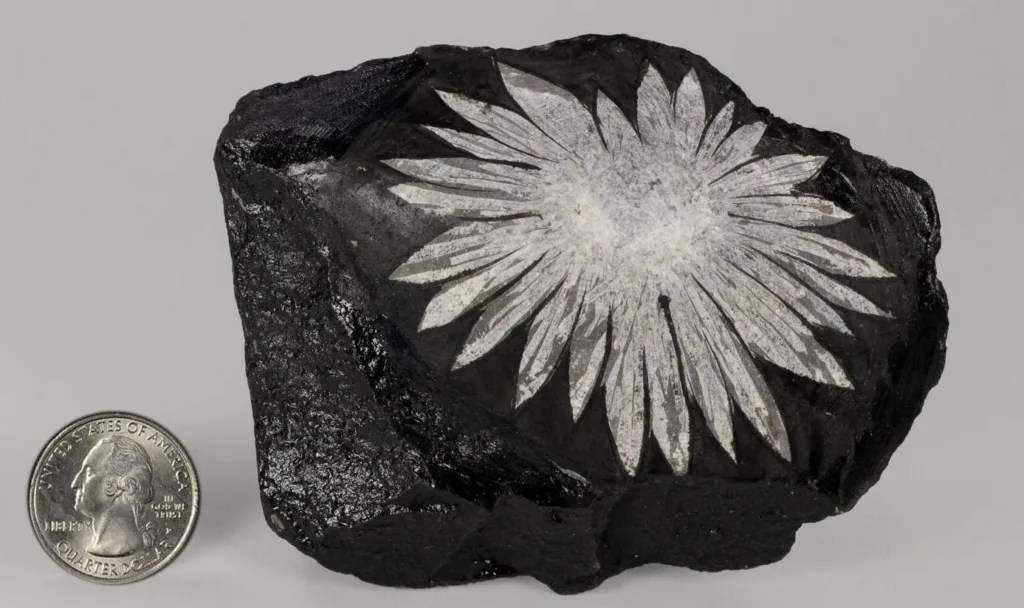
Chrysanthemum stone is predominantly gray or black, and its most striking feature is the intricate white or grayish-white floral patterns that appear as if they were naturally painted onto the surface of the stone. These patterns can vary widely in size and complexity, with some stones featuring simple, petal-like shapes and others displaying highly detailed, layered designs resembling actual chrysanthemum flowers. The patterns are created through a combination of mineral inclusions and crystalline structures that have formed within the rock over millions of years.
The stone’s name, “Chrysanthemum,” is derived from the Greek words “chrysos,” meaning gold, and “anthemon,” meaning flower. This name is fitting as the flower-like patterns often shimmer with golden hues when light strikes them at the right angle.
Chrysanthemum stones are primarily found in specific locations in China, Japan, Canada, and the United States, with the Chinese variety being the most well-known. They are often used for ornamental purposes, including carving into intricate sculptures and cabochons for jewelry. The unique patterns and metaphysical properties attributed to Chrysanthemum stone also make it a favorite among collectors and enthusiasts of both minerals and gemstones.
In addition to its aesthetic appeal, Chrysanthemum stone has also been associated with various metaphysical properties and healing properties by some individuals and cultures. It is believed to promote balance, harmony, and transformation, making it a popular choice for those interested in crystal healing and spiritual practices.
In summary, Chrysanthemum stone is a visually striking and intriguing rock known for its flower-like patterns and associations with balance and transformation. It is a unique geological formation that has captured the fascination of collectors, artisans, and individuals interested in the metaphysical properties of gemstones.
Contents
- Geological Formation
- Physical Characteristics
- Historical and Cultural Significance
- Chrysanthemum Stone Applications
Geological Formation

Geological Formation: Chrysanthemum stone is a fascinating geological formation that arises through a combination of various mineral processes and geological conditions over an extended period of time. Its formation can be summarized as follows:
- Sedimentation: The process typically begins with the accumulation of sediment on the ocean floor or in ancient lakes. This sediment consists of various minerals, including calcite and dolomite, which are essential components of Chrysanthemum stone.
- Burial and Compression: Over time, additional layers of sediment accumulate on top of the existing layers. The weight of the overlying sediment compacts the lower layers, leading to increased pressure and temperature within the Earth’s crust.
- Mineral Precipitation: As the sedimentary layers become buried deeper within the Earth, mineral-rich fluids containing elements such as calcium and magnesium percolate through the rock. These fluids can dissolve and then precipitate minerals, including calcite and dolomite, which are responsible for the stone’s base composition.
- Crystalline Growth: Within this mineral-rich environment, the calcite and dolomite crystals start to grow and interlock, forming a solid rock matrix. The crystalline growth may occur over millions of years, during which various geological processes can influence the stone’s final appearance.
Formation Process: The distinctive floral patterns seen in Chrysanthemum stone result from specific mineral inclusions and structural features within the rock. The exact process by which these patterns form is not entirely understood, but it likely involves the following elements:
- Andalusite and Celestite Inclusions: These minerals, along with feldspar in some cases, are thought to play a role in creating the white or grayish-white patterns that resemble chrysanthemum flowers. They may form as inclusions or layers within the stone during the crystallization process.
- Pressure and Temperature Variations: Variations in pressure and temperature during the stone’s formation can influence the growth of mineral crystals and create the intricate designs. These fluctuations may cause the minerals to precipitate in specific patterns and arrangements.
- Tectonic Activity: Geological events such as tectonic plate movements and the presence of faults in the Earth’s crust can also impact the formation of Chrysanthemum stone by altering the conditions in which it develops.
Geological Locations: Chrysanthemum stones are primarily found in specific geological locations, with China being the most renowned source. Some notable locations where Chrysanthemum stones are known to occur include:
- China: The Hubei Province in central China is famous for producing high-quality Chrysanthemum stone. The city of Xiuyan in Liaoning Province is also known for its Chrysanthemum stone deposits.
- Japan: Chrysanthemum stones can be found in various regions of Japan, particularly in Yamaguchi and Okayama Prefectures.
- Canada: In Canada, Chrysanthemum stone has been discovered in British Columbia, primarily in the Lardeau Valley area.
- United States: Some locations in the United States, such as California, Oregon, and Nevada, have also reported the presence of Chrysanthemum stone deposits, although they are less common compared to Asian sources.
These locations are characterized by specific geological conditions that have contributed to the formation of Chrysanthemum stone over geological time scales.
Physical Characteristics

Chrysanthemum stone is known for its distinctive physical characteristics, which contribute to its unique appearance and desirability. Here are the key physical characteristics of Chrysanthemum stone:
- Color: Chrysanthemum stones typically have a base color that ranges from gray to black. The primary minerals responsible for this base color are calcite and dolomite. The most prominent feature is the white to grayish-white floral patterns that resemble chrysanthemum flowers. These patterns can vary in intensity, with some stones displaying bold and intricate designs while others have more subtle markings.
- Pattern: The most striking aspect of Chrysanthemum stone is its intricate floral pattern, which can resemble the petals of chrysanthemum flowers. These patterns are created by mineral inclusions, primarily andalusite and celestite, distributed within the rock. The patterns can vary widely in complexity, from simple shapes to highly detailed and layered designs.
- Luster: Chrysanthemum stone typically has a vitreous to pearly luster. The reflective quality of the stone’s surface can enhance the visibility of its patterns when viewed from different angles.
- Hardness: Chrysanthemum stone’s hardness falls in the range of 3 to 4 on the Mohs scale of mineral hardness. This makes it relatively soft compared to many other gemstones and minerals, which means it may be susceptible to scratches if not handled with care.
- Transparency: Chrysanthemum stone is typically opaque, meaning it does not allow light to pass through it. The mineral inclusions and patterns within the stone contribute to its lack of transparency.
- Texture: When touched, Chrysanthemum stone often feels smooth and cool to the touch due to its polished surface. However, variations in texture can occur based on the specific cut and finish of the stone.
- Weight: Like many rocks and minerals, the weight of Chrysanthemum stone can vary depending on its size and density. It is not particularly heavy compared to denser minerals.
- Fracture and Cleavage: Chrysanthemum stone exhibits uneven to conchoidal fracture, which means it breaks irregularly rather than along specific planes. It does not have distinct cleavage.
- Translucency: In rare cases, some Chrysanthemum stones may exhibit slight translucency, allowing a minimal amount of light to pass through certain sections. However, this is less common compared to the opaque variety.
- Size and Shape: Chrysanthemum stones come in various sizes and shapes, depending on their intended use. They can be found as small cabochons for jewelry, carved sculptures, or larger decorative pieces.
These physical characteristics, particularly the intricate floral patterns, are what make Chrysanthemum stone highly sought after by collectors, lapidaries, and individuals interested in unique and visually appealing gemstones and minerals.
Historical and Cultural Significance

Chrysanthemum stone holds historical and cultural significance in various regions where it is found, primarily in China and Japan. Its unique appearance and patterns have made it a symbol of beauty, longevity, and spirituality. Here are some aspects of its historical and cultural importance:
1. Chinese Culture:
- Symbol of Longevity: In China, chrysanthemums are traditionally associated with longevity and immortality. The flower itself is a symbol of nobility, and the patterns on Chrysanthemum stone, resembling chrysanthemum petals, are considered auspicious and are often associated with wishes for a long and healthy life.
- Art and Decoration: Chrysanthemum stone has been used for centuries in Chinese art and decoration. It is often carved into intricate sculptures and used as inlays in various art forms, including furniture and architectural elements.
- Healing and Feng Shui: Some practitioners of traditional Chinese medicine and Feng Shui believe that Chrysanthemum stone possesses healing properties and can promote balance and harmony in one’s surroundings. It is sometimes used in these practices to enhance positive energy flow.
2. Japanese Culture:
- Imperial Symbolism: Chrysanthemums hold a special place in Japanese culture as the symbol of the Imperial family. The Chrysanthemum Throne is the name of the Japanese imperial line, and the imperial crest features a stylized chrysanthemum flower.
- Emperor’s Flower: The chrysanthemum is considered the Emperor’s flower in Japan, and it is associated with the imperial family’s power and authority.
- Festivals: The Chrysanthemum Festival, also known as the Chrysanthemum Day or Festival of Happiness, is celebrated in Japan on the ninth day of the ninth month. It is a time to appreciate chrysanthemums and often involves the display of intricately cultivated chrysanthemum flowers.
3. Decorative and Spiritual Uses:
- Chrysanthemum stone is often used as a decorative element in homes, temples, and gardens in both China and Japan. It is believed to bring positive energy and tranquility to its surroundings.
- Some individuals believe that Chrysanthemum stone has spiritual significance and can aid in meditation and inner reflection due to its unique patterns and association with balance and harmony.
4. Collectors and Enthusiasts:
- Chrysanthemum stone has garnered a significant following among mineral and gemstone enthusiasts, as well as collectors of unique and aesthetically pleasing stones. Collectors are drawn to its intricate patterns and the artistry involved in creating sculptures and carvings from it.
While Chrysanthemum stone may not be as well-known globally as some other gemstones, its historical and cultural significance in China and Japan, along with its unique aesthetic qualities, make it a valued and respected mineral in these cultures. Its beauty and symbolism continue to captivate people around the world, whether for its decorative purposes, spiritual associations, or as an object of artistic and geological interest.
Chrysanthemum Stone Applications

Chrysanthemum stone, with its unique and striking appearance, finds various applications in art, decor, and spiritual practices. Here are some common and notable applications of Chrysanthemum stone:
- Jewelry: Chrysanthemum stones are often used to create exquisite and one-of-a-kind jewelry pieces. Cabochons featuring the stone’s distinctive floral patterns are set into rings, pendants, earrings, and necklaces. The stone’s aesthetic appeal and symbolism make it a sought-after choice for those looking for unique gemstone jewelry.
- Sculptures and Carvings: Due to its beautiful and intricate patterns, Chrysanthemum stone is favored by sculptors and carvers. Artisans create sculptures and decorative items that showcase the stone’s floral designs. These sculptures can range from small figurines to larger, more elaborate pieces.
- Decorative Objects: Chrysanthemum stone is used to craft various decorative objects, such as paperweights, vases, and tabletops. Its unique appearance and symbolism of balance and harmony make it a popular choice for enhancing the aesthetic appeal of interior spaces.
- Feng Shui: In Feng Shui, Chrysanthemum stone is believed to promote balance and harmony. It is used as a decorative element in homes and offices to improve the flow of positive energy, or “chi.” Placing Chrysanthemum stone objects strategically can be a way to harness its perceived spiritual properties.
- Meditation and Spiritual Practices: Some individuals believe that Chrysanthemum stone’s patterns and associations with balance and transformation make it a suitable tool for meditation and spiritual practices. It is thought to help with inner reflection, personal growth, and achieving a sense of equilibrium.
- Lapidary Art: Chrysanthemum stone is a favorite among lapidaries, who cut and polish the stone to showcase its patterns. Lapidarists may create custom shapes and designs based on the stone’s unique characteristics, catering to the preferences of collectors and enthusiasts.
- Collector’s Item: Chrysanthemum stone is highly prized by mineral and gemstone collectors. Unique specimens with exceptional patterns or artistic carvings can command high prices in the collector’s market.
- Educational and Geological Interest: Chrysanthemum stone is of geological interest due to its formation process and mineral composition. It is studied by geologists and mineralogists to better understand the processes that lead to its distinctive patterns and colors.
- Landscape Design: In certain landscaping projects, Chrysanthemum stone may be incorporated to add a touch of elegance and uniqueness to gardens, pathways, and other outdoor spaces.
- Gifts and Souvenirs: Chrysanthemum stone products, such as small carvings, pendants, or trinkets, are often purchased as gifts or souvenirs due to their cultural significance and aesthetic appeal.
Chrysanthemum stone’s versatility in applications, from jewelry to spiritual practices, highlights its enduring appeal and the fascination it holds for a wide range of individuals, from artists and collectors to those seeking unique and meaningful decorative items.