Datolite
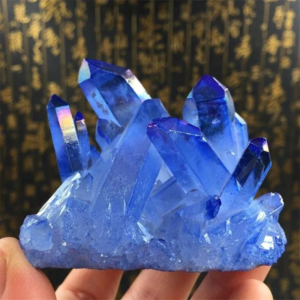
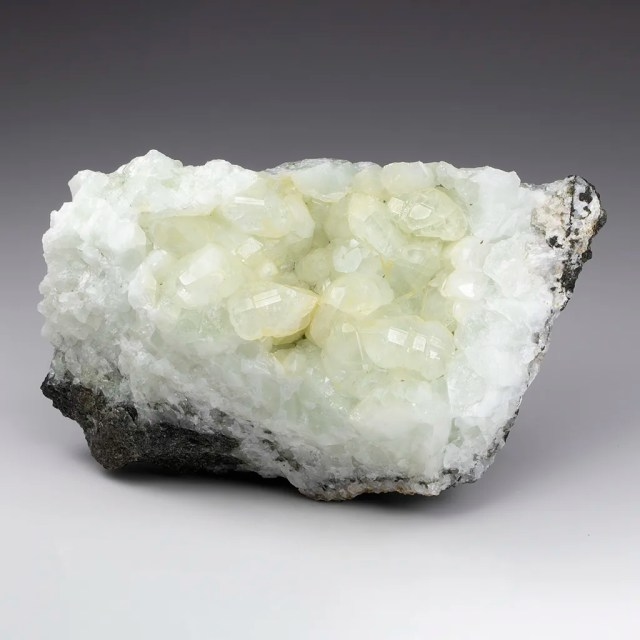
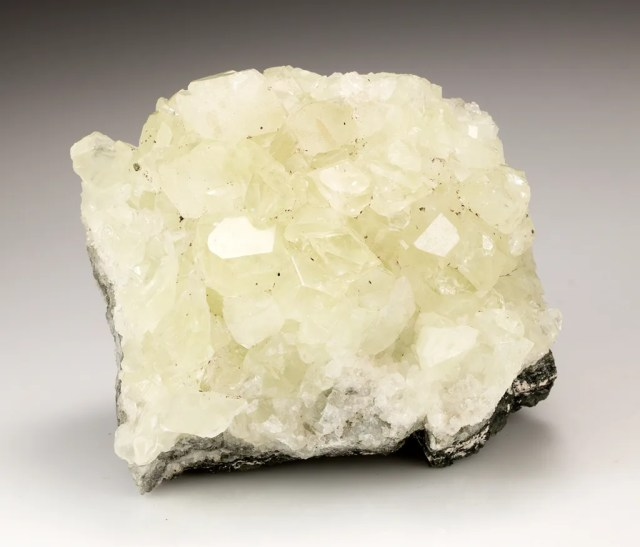
Datolite is a relatively rare and lesser-known mineral that belongs to the sorosilicate group. It is primarily composed of calcium, boron, silicon, and oxygen, with the chemical formula CaBSiO4(OH). Datolite is often found in hydrothermal veins, contact metamorphic rocks, and other geological settings. It typically forms as transparent to translucent crystals, although it can also occur in massive or granular forms.
The name “datolite” is derived from the Greek words “dato” and “lithos”, which mean “to divide” and “stone,” respectively, due to the mineral’s characteristic cleavage, which allows it to be easily separated into thin, flat pieces.
Datolite is known for its attractive and varied colors, which can include shades of white, yellow, green, brown, pink, and even colorless. The mineral’s luster is typically vitreous, and it often displays a distinct pearly to subadamantine sheen. Datolite can exhibit a wide range of crystal habits, including prismatic, tabular, or rhombohedral shapes.
Due to its aesthetic qualities and relative scarcity, datolite is sometimes used as a gemstone in jewelry, particularly when it displays vivid and pleasing colors. Collectors of minerals and gemstones also appreciate datolite for its unique properties and beauty.
Datolite is a member of the zeolite group, which includes minerals characterized by their porous structures and ability to absorb and release water and other molecules. This property makes zeolites valuable in various industrial applications, such as catalysis and water purification. However, datolite is not as widely utilized as other zeolites due to its less common occurrence.
In summary, datolite is a sorosilicate mineral with a chemical composition of CaBSiO4(OH). It is prized for its aesthetic appeal, diverse colors, and unique crystal habits, although it is relatively rare and not as extensively used in industrial applications as other zeolites.
Contents
- Formation and Occurrence of Datolite
- Physical, Chemical and Optical Properties of Datolite
- Locations and Mining of Datolite
- Uses and Applications
- Gemological Characteristics
Formation and Occurrence of Datolite

Datolite is typically found in geological settings where hydrothermal activity and certain types of metamorphism have played a significant role in its formation. Here’s an overview of the geological formation and occurrence of datolite:
- Hydrothermal Veins: Datolite often forms in hydrothermal veins, which are fractures or cavities in rocks that have been filled with mineral-rich fluids heated by the Earth’s internal heat. These fluids can contain dissolved minerals, including calcium, boron, silicon, and oxygen, which precipitate out of solution as the fluids cool and pressure decreases. The resulting datolite crystals may grow within these veins.
- Contact Metamorphism: Datolite can also occur in contact metamorphic rocks. This happens when pre-existing rocks come into contact with molten magma or very hot fluids. The extreme heat and pressure cause changes in the mineral composition of the rocks, leading to the formation of datolite among other minerals.
- Associations with Other Minerals: Datolite is often found in association with other minerals, including calcite, prehnite, zeolites, axinite, and epidote. These minerals may coexist in the same geological settings and can provide important clues about the conditions under which datolite formed.
- Specific Geological Environments: Datolite can be found in a variety of geological environments, including igneous and metamorphic rocks, as well as sedimentary deposits. Specific occurrences can include locations such as hydrothermal ore deposits, skarns (metamorphic rocks formed in contact with intrusive igneous rocks), and fracture zones in various rock types.
- Regional Variability: The geological conditions that lead to the formation of datolite can vary by region. Different geological settings and mineral assemblages contribute to the diversity of datolite specimens found worldwide. Notable occurrences of datolite can be found in regions such as the United States (Michigan, New Jersey), Norway, Mexico, Germany, and Canada.
- Collector’s Specimens: Due to its appealing colors and unique crystal habits, datolite is often collected by mineral enthusiasts and gemstone collectors. Specimens may be obtained from various geological sources and made available through mineral dealers and collectors.
In summary, datolite forms as a result of hydrothermal activity, contact metamorphism, and other geological processes that involve the circulation of mineral-rich fluids and the alteration of pre-existing rocks. Its occurrence can vary by region, and it is often associated with other minerals, making it a desirable target for collectors and enthusiasts of earth sciences.
Physical, Chemical and Optical Properties of Datolite

Datolite is a mineral with distinct physical, chemical, and optical properties that make it unique and recognizable to geologists and mineral enthusiasts. Here are some of its key properties:
Physical Properties:
- Color: Datolite can exhibit a wide range of colors, including white, yellow, green, brown, pink, and even colorless. The color is often associated with the presence of impurities or the local geological environment.
- Luster: The luster of datolite is typically vitreous (glassy). In some cases, it can exhibit a pearly or subadamantine sheen, giving it a slight pearlescent or somewhat resinous appearance.
- Crystal System: Datolite crystallizes in the monoclinic crystal system, which means its crystal structure contains three unequal axes with one angle not at a right angle.
- Hardness: Datolite has a Mohs hardness of approximately 5.5, making it moderately hard. It is not as hard as common minerals like quartz but is still durable enough to be used in jewelry when cut and polished.
- Cleavage: Datolite displays good cleavage in two directions that are nearly perpendicular to each other. This means it can be easily split into thin, flat pieces along these cleavage planes.
- Fracture: Its fracture is typically uneven, meaning that if it doesn’t cleave along the cleavage planes, it will break with irregular, rough surfaces.
Chemical Properties:
- Chemical Formula: The chemical formula of datolite is CaBSiO4(OH). It contains calcium (Ca), boron (B), silicon (Si), oxygen (O), and hydroxyl (OH) groups.
- Mineral Group: Datolite belongs to the sorosilicate group of minerals. Sorosilicates are characterized by their silicate tetrahedra linked in pairs.
- Specific Gravity: The specific gravity of datolite typically ranges between 2.8 and 3.1. This value can vary depending on the specific chemical composition and impurities.
Optical Properties:
- Transparency: Datolite is usually transparent to translucent. Translucent specimens allow some light to pass through, but objects on the other side may not be clearly visible.
- Refractive Index (RI): The refractive index of datolite ranges from approximately 1.620 to 1.670, depending on the specific composition and impurities. This property affects the way light is bent as it passes through the mineral and contributes to its optical properties.
- Birefringence: Datolite is birefringent, meaning it can split a single light ray into two rays with different velocities and polarizations. This property is often observed in transparent minerals when viewed under a petrographic microscope.
These physical, chemical, and optical properties help distinguish datolite from other minerals and contribute to its unique characteristics, which are appreciated by collectors and gem enthusiasts.
Locations and Mining of Datolite

Datolite is not a widely mined mineral, and its commercial mining operations are relatively rare. However, it can be found in various geological settings in specific regions around the world. Here are some notable locations where datolite can be found and occasionally mined:
- Michigan, USA: Michigan is perhaps one of the most famous and productive locations for datolite. It can be found in the copper-bearing regions of the Upper Peninsula, where it is often associated with copper deposits and has been collected as a byproduct of copper mining.
- New Jersey, USA: Datolite is also found in some parts of New Jersey, particularly in the Franklin and Sterling Hill mining districts. These areas are known for a variety of rare minerals, and datolite is occasionally extracted as specimens for collectors.
- Norway: Norway is another notable datolite locality. The Langesundsfjord area in Norway is famous for its mineral deposits, and datolite can be found there. It is often associated with zeolites and other minerals.
- Mexico: Datolite has been reported in various localities in Mexico, including the state of Chihuahua. Mexican datolite specimens are sometimes collected and used for jewelry and lapidary purposes.
- Germany: Datolite can be found in regions such as the Harz Mountains and the Erzgebirge (Ore Mountains) in Germany. These areas have a long history of mineral mining and collecting.
- Canada: Datolite has been identified in parts of Canada, including Quebec and Ontario, in various geological settings. It is typically associated with other minerals, such as prehnite and epidote.
- Other Localities: Datolite is known to occur in other regions as well, though it is less common and often found in association with different geological settings, such as hydrothermal veins, contact metamorphic zones, and skarn deposits.
It’s important to note that while datolite is valued for its aesthetic qualities and collected by mineral enthusiasts, it is not typically mined on a large scale for industrial purposes. Instead, it is extracted as specimens for collectors, lapidary use, and as a byproduct of mining operations targeting other minerals. The rarity and unique qualities of datolite contribute to its appeal among mineral and gemstone collectors.
Uses and Applications

Datolite is not a mineral with widespread industrial or commercial uses due to its relative scarcity. However, it is valued for its unique properties and aesthetics, which make it suitable for various applications, primarily in the realm of mineral collecting and lapidary work. Here are some of the main uses and applications of datolite:
- Mineral Collecting: Datolite is highly prized by mineral collectors and enthusiasts due to its attractive and varied colors, distinct crystal habits, and relative rarity. Collectors seek datolite specimens for their personal collections, and fine specimens are often displayed in museums and at mineral shows.
- Gemstone and Jewelry: Datolite, when it exhibits vivid and pleasing colors, can be cut and polished to create gemstones. These gemstones are used in jewelry, such as rings, pendants, and earrings. However, datolite gemstones are less common and may not be as widely recognized as other gemstones like diamonds, sapphires, or emeralds.
- Lapidary Work: Lapidarists may work with datolite to create cabochons, beads, and other lapidary items for use in jewelry and ornamental pieces.
- Scientific and Geological Study: Datolite, along with other minerals, is studied by geologists and mineralogists to better understand geological processes and mineral formations. It provides insights into the conditions under which it formed, which can be valuable in understanding the earth’s history and geology.
- Metaphysical and New Age Use: Some individuals believe in the metaphysical and healing properties of crystals and gemstones, including datolite. It is sometimes used in practices related to holistic healing, meditation, and spirituality.
- Educational Purposes: Datolite specimens are used in educational settings, such as schools and universities, to teach students about mineralogy and geology. They help students learn to identify and appreciate the diversity of minerals in the Earth’s crust.
It’s important to note that datolite’s uses and applications are primarily niche and focused on its aesthetic appeal, rather than industrial or practical functions. While it may not have a wide range of industrial applications, datolite’s unique qualities and beauty make it highly sought after by collectors and those with an interest in the Earth’s mineral diversity.
Gemological Characteristics

Datolite, as a gemstone, possesses several gemological characteristics that are important for gemologists and gem enthusiasts to understand. These characteristics help in identifying, assessing, and appreciating datolite as a gemstone. Here are some key gemological characteristics of datolite:
- Hardness: Datolite has a Mohs hardness of approximately 5.5. While this makes it moderately hard, it is still softer than many commonly used gemstones, such as sapphire and diamond. This means datolite is susceptible to scratching, so it should be handled and stored with care to prevent damage.
- Color: Datolite exhibits a wide range of colors, including white, yellow, green, brown, pink, and colorless. The color is often due to the presence of various impurities, and the specific hue can vary from one specimen to another.
- Luster: Datolite typically displays a vitreous (glassy) luster, but it can also exhibit a pearly to subadamantine sheen. The presence of a slight pearlescent or somewhat resinous appearance can enhance its aesthetic appeal.
- Transparency: Datolite is usually transparent to translucent. Transparent datolite is highly valued for gemstone use as it allows light to pass through, which can enhance its visual appeal when cut and polished.
- Refractive Index (RI): The refractive index of datolite falls within the range of approximately 1.620 to 1.670. This property affects the way light is bent as it passes through the gem and contributes to its brilliance and fire.
- Birefringence: Datolite is birefringent, which means it can split a single light ray into two rays with different velocities and polarizations. This characteristic is observed when datolite is viewed under a polarizing microscope and can help gemologists identify it.
- Specific Gravity: The specific gravity of datolite typically ranges between 2.8 and 3.1. This value can vary depending on the specific chemical composition and impurities present, and it is used in gemstone identification.
- Cleavage: Datolite exhibits good cleavage in two directions that are nearly perpendicular to each other. Gem cutters need to consider this cleavage when fashioning datolite gemstones to minimize the risk of cleaving or fracturing.
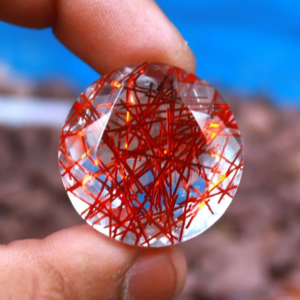
- Inclusions: Datolite can contain various types of inclusions, such as mineral crystals, gas or liquid-filled cavities, and other foreign materials. These inclusions can affect the gemstone’s appearance and desirability.
- Cut and Polish: Datolite is cut and polished into various gemstone shapes, including faceted cuts and cabochons, depending on its color, clarity, and the desired end-use.
While datolite may not be as well-known or widely used as other gemstones, its unique properties, such as its wide color range and attractive luster, make it a desirable gemstone for those who appreciate its distinctiveness and rarity in the world of gemology.