Apache Tears
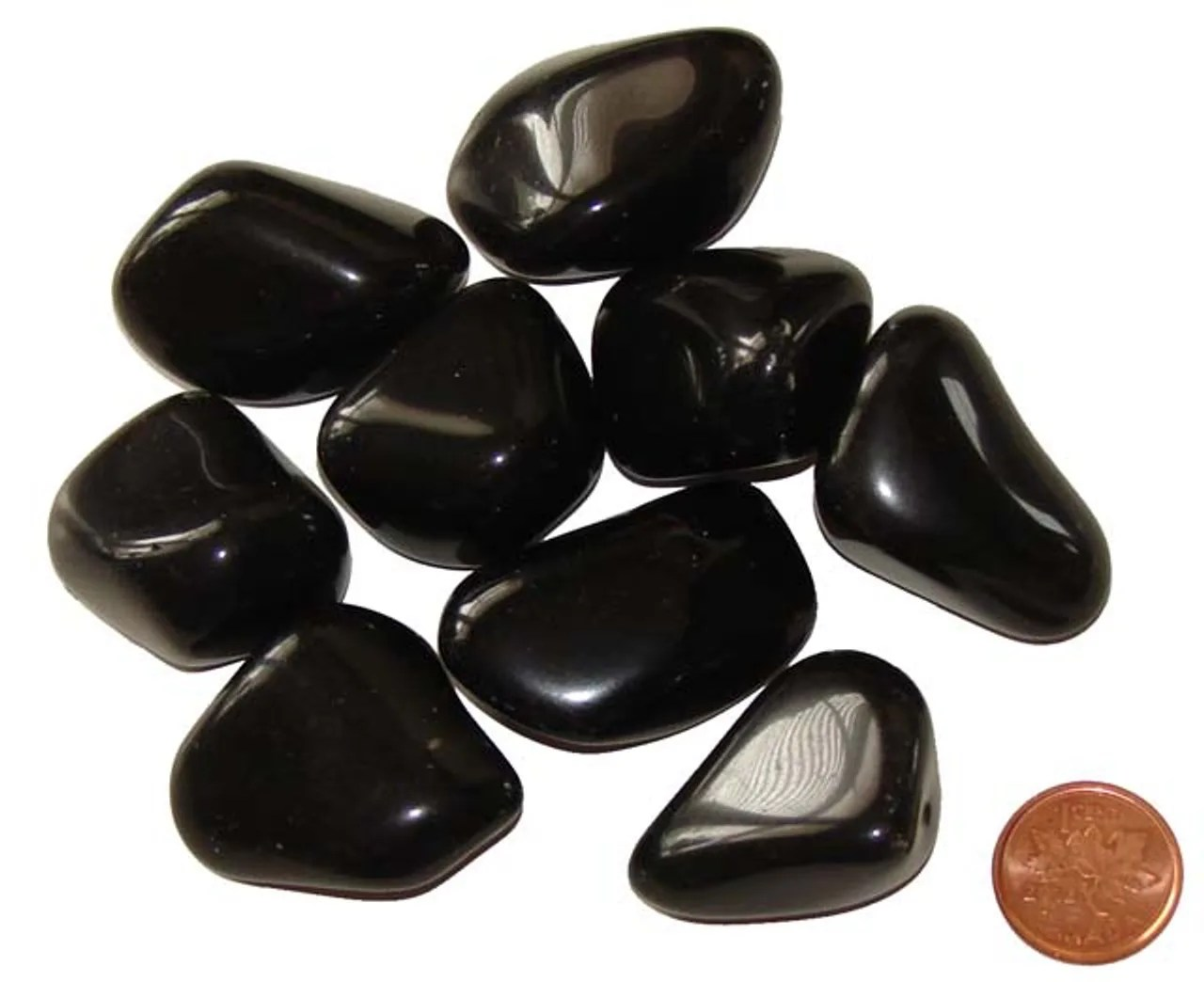
Apache Tears are a type of volcanic glass, specifically a variety of obsidian, known for their unique appearance and cultural significance. These dark, translucent stones are typically black or dark brown and have a distinct conchoidal fracture, which means they break into curved, glass-like shapes when fractured. They are usually small, smooth, and rounded, resembling teardrops or small pebbles.

The name “Apache Tears” is associated with a Native American legend and has become the common name for these obsidian nodules. According to the legend, during a raid by the U.S. Cavalry on an Apache tribe in the 1870s, a group of Apache warriors chose to ride their horses off a cliff rather than be captured. As the legend goes, the Apache women who loved these warriors wept for their lost loved ones, and their tears turned into the dark, glassy stones now known as Apache Tears.
In addition to their historical and cultural significance, Apache Tears are valued for their metaphysical properties in various belief systems. They are believed to carry protective and grounding energies, helping individuals deal with grief, emotional healing, and personal growth. Some people use Apache Tears as a form of spiritual protection and cleansing, keeping them in their living spaces or using them as meditation tools.
Overall, Apache Tears are not only beautiful geological specimens but also hold cultural and spiritual significance for those who appreciate their history and metaphysical properties.
Contents
- Geological Formation
- Popular locations for finding Apache Tears
- Apache Tears’s Applications and Uses
Geological Formation

Apache Tears are a specific variety of obsidian, a type of volcanic glass formed during volcanic eruptions. Here’s an explanation of how Apache Tears are formed and some geological context:
Formation: Apache Tears are primarily formed through a process called volcanic glassification. This occurs when lava from a volcanic eruption cools rapidly, preventing the growth of mineral crystals within the molten rock. As the lava cools, it solidifies into a glassy substance known as obsidian. Apache Tears, in particular, are formed from obsidian as it cools and fractures into small, smooth, and rounded nodules. These nodules often take on a teardrop or pebble-like shape.

Geological Context: Apache Tears can be found in volcanic regions, particularly in areas with a history of volcanic activity. They are commonly associated with the southwestern United States, including states like Arizona, New Mexico, and Nevada. In these regions, volcanic eruptions and flows have deposited layers of obsidian, and over time, the obsidian has weathered and eroded to reveal Apache Tears. The exact geological context may vary, but they are often found in areas with ancient volcanic deposits.

Characteristics and Properties:
Color: Apache Tears are typically black or dark brown, although they can occasionally have a reddish or mahogany hue.
Transparency: They are translucent, allowing some light to pass through, but they are not entirely transparent.
Texture: Apache Tears have a smooth and polished surface due to their natural weathering, making them comfortable to touch.
Shape: They are often small, rounded, and resemble teardrops or pebbles, with a distinctive conchoidal fracture pattern.
Hardness: Apache Tears have a relatively high hardness, similar to that of other types of obsidian, which makes them durable and resistant to scratching.
It’s important to note that while Apache Tears have cultural and spiritual significance in some communities, they are also highly valued by collectors and enthusiasts for their unique appearance and geological origin. They are a fascinating example of how volcanic processes can give rise to beautiful and culturally significant natural specimens.
Popular locations for finding Apache Tears

Apache Tears, a type of obsidian, are primarily found in regions with a history of volcanic activity. While they can be found in various parts of the world, some locations are particularly well-known for the presence of Apache Tears. Here are some popular locations for finding Apache Tears:
- Arizona, USA: Arizona is perhaps the most famous location for Apache Tears. They can be found in various areas of the state, including the Apache Leap area near Superior and the San Carlos Apache Indian Reservation. These nodules are often discovered in the volcanic rock and desert terrain.
- New Mexico, USA: New Mexico is another state where Apache Tears are relatively abundant. They can be found in areas like the Black Range Mountains, particularly around the town of Truth or Consequences.
- Nevada, USA: In Nevada, Apache Tears are found in volcanic fields such as the Virgin Valley near Denio and other areas with volcanic activity. The Virgin Valley is particularly famous for its high-quality obsidian nodules.
- Mexico: Apache Tears can also be found in northern Mexico, especially in regions with volcanic rock formations. Locations in the Mexican states of Chihuahua and Sonora are known for these unique obsidian nodules.
- Other Western U.S. States: While Arizona, New Mexico, and Nevada are the most renowned, Apache Tears can also be found in other western states like California, Utah, and Oregon, where volcanic activity has left deposits of obsidian.
- Other Countries: While less common, Apache Tears have also been found in other countries with volcanic regions. These locations include Iceland, Greece, and Turkey.
When searching for Apache Tears, it’s essential to keep safety in mind, especially in remote or rugged areas. It’s advisable to research specific locations, obtain any necessary permits, and exercise caution while exploring volcanic terrains and collecting these unique geological specimens. Additionally, some areas may have legal restrictions on collecting rocks and minerals, so it’s important to respect local regulations and land access rules.
Apache Tears’s Applications and Uses

Apache Tears, while primarily known for their cultural and metaphysical significance, have several practical and decorative applications and uses. Here are some of the common ways in which Apache Tears are utilized:
- Jewelry: Apache Tears are often used in jewelry making. These small, polished obsidian nodules can be set in rings, pendants, earrings, and bracelets. Their dark, glossy appearance makes them appealing for both casual and formal jewelry designs.
- Decorative Objects: Apache Tears can be incorporated into various decorative items, such as paperweights, sculptures, and mosaic artwork. Their unique appearance adds an element of natural beauty and mystique to these creations.
- Metaphysical and Spiritual Practices: Many individuals believe that Apache Tears possess metaphysical properties, such as protection, grounding, and emotional healing. They are used as meditation stones, placed on altars, or carried as talismans for their perceived spiritual benefits.
- Lapidary Art: Lapidary enthusiasts and artisans often use Apache Tears for cutting and shaping into cabochons or beads. The glassy texture and striking appearance of these stones make them popular choices for lapidary projects.
- Healing Crystals: In alternative healing practices like crystal therapy, Apache Tears are believed to aid in emotional release and healing. They may be placed on or near the body during healing sessions or used in massage wands for their soothing properties.
- Aesthetic Landscaping: In landscaping, Apache Tears can be incorporated into garden designs or rock gardens for their unique color and texture. Their dark color contrasts well with lighter stones and plants, creating an aesthetically pleasing look.
- Collectibles: Apache Tears are sought after by rock and mineral collectors due to their cultural significance and geological origin. Collectors often acquire them as part of their mineral and gemstone collections.
- Gifts and Souvenirs: Apache Tears are sometimes sold as souvenirs in areas where they are abundant. They make for unique and meaningful gifts, especially for those interested in Native American culture or geology.
- Crafts and DIY Projects: Crafters and DIY enthusiasts may use Apache Tears in various projects, such as mosaic designs, mixed media art, or home decor. Their small size and smooth texture make them suitable for a wide range of creative endeavors.
- Educational Purposes: Apache Tears can be used in educational settings to teach students about geology, volcanism, and mineral identification. They offer a tangible example of the volcanic glassification process.
While Apache Tears may not have industrial or utilitarian applications like some other minerals, their aesthetic, cultural, and spiritual value has made them significant in various fields, from jewelry making to metaphysical practices and beyond.