Sesame Jasper
Sesame Jasper, also known as Sesame Creek Jasper, is a captivating variety of jasper originating from the Sesame Creek area in central Queensland, Australia. Renowned for its earthy tones and intricate patterns, Sesame Jasper has garnered attention among collectors, lapidaries, and jewelry enthusiasts worldwide.
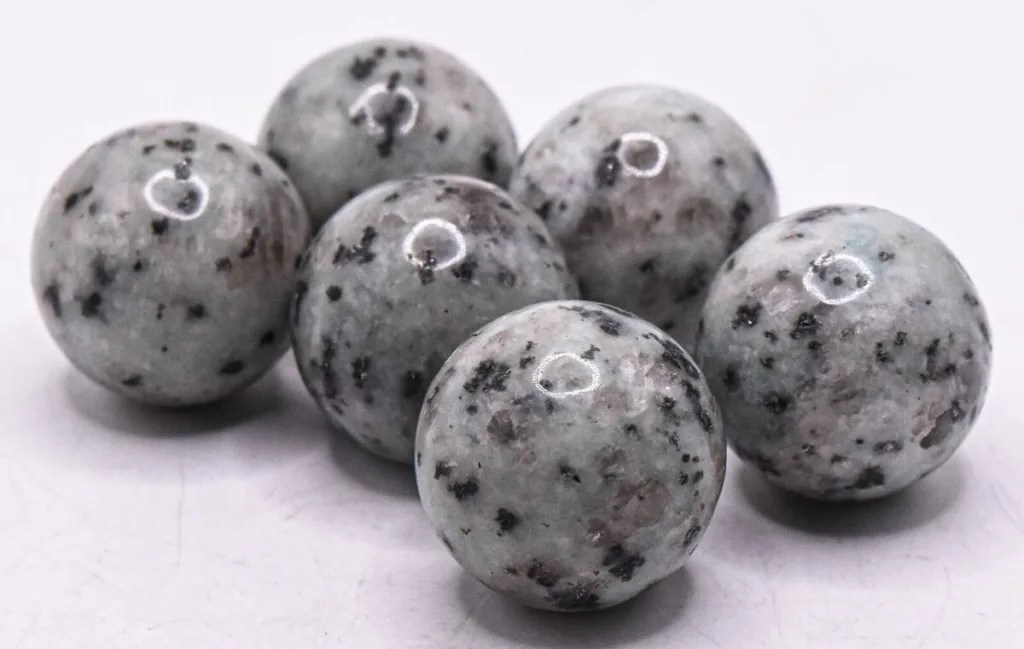
 Kiwi Jasper Palm Stones, Sesame Jasper (nouveaucollections.com)
Its name is derived from the region where it is primarily found, known for its deposits of Sesame Jasper. This gemstone is celebrated for its rich color palette, which includes shades of beige, brown, cream, red, and yellow. These colors are often swirled together in mesmerizing patterns, reminiscent of the natural landscapes that characterize the Australian outback.
Sesame Jasper is typically formed in sedimentary rocks, reflecting millions of years of geological processes. Over time, mineral-rich fluids permeated through the rock, depositing minerals and creating the distinctive patterns and hues for which Sesame Jasper is renowned.
Beyond its aesthetic appeal, Sesame Jasper holds cultural significance and historical value. Indigenous Australians have long revered the land and its resources, including stones like Sesame Jasper, for their connection to the earth and their perceived healing properties.
Today, Sesame Jasper is utilized in various applications, from jewelry making to decorative arts. Its durability and unique appearance make it an excellent choice for crafting one-of-a-kind jewelry pieces, as well as decorative items and lapidary works of art.
In essence, Sesame Jasper embodies the timeless beauty and natural wonders of the Australian landscape, captivating admirers with its stunning colors and intricate patterns while serving as a testament to the geological forces that have shaped our planet over millennia.
Contents
- Origins and Formation
- Physical Properties of Sesame Jasper
- Uses and Applications
- Locations where Sesame Jasper is found
Origins and Formation
 SESAME JASPER / KIWI JASPER – The Mala Tree
Sesame Jasper, also referred to as Sesame Creek Jasper, originates from the Sesame Creek area in central Queensland, Australia. This region is renowned for its rich deposits of this distinctive variety of jasper.
The formation of Sesame Jasper spans millions of years and is intricately tied to geological processes that shaped the landscape of central Queensland. It begins with the deposition of sedimentary materials, such as sand, silt, and clay, in ancient marine environments. Over time, layers of sediment accumulated and underwent compaction and cementation, transforming into sedimentary rocks.
As the Earth’s crust underwent tectonic movements, the sedimentary rocks containing the precursor materials of Sesame Jasper were uplifted and exposed to the elements. This exposure led to weathering processes, where external factors like wind, water, and chemical reactions altered the composition and appearance of the rocks.
During this weathering process, mineral-rich fluids percolated through the porous rocks, depositing minerals and trace elements within the sedimentary matrix. These minerals, including various forms of silica, iron oxides, and other compounds, contributed to the vibrant colors and distinctive patterns characteristic of Sesame Jasper.
Over time, geological forces continued to shape the landscape, resulting in the formation of the unique geological formations and deposits found in the Sesame Creek area. Through a combination of sedimentation, weathering, and mineral deposition, Sesame Jasper emerged as a testament to the geological history and natural beauty of central Queensland.
Today, Sesame Jasper is treasured for its aesthetic appeal and is utilized in various applications, including jewelry making, lapidary arts, and decorative objects. Its origins and formation offer insight into the complex interplay of geological processes that have shaped the Earth’s surface over millions of years.
Physical Properties of Sesame Jasper
 Kiwi Sesame Jasper – eBay
Sesame Jasper, also known as Sesame Creek Jasper, possesses a variety of physical properties that contribute to its distinctive appearance and utility in various applications. Here are some key physical properties of Sesame Jasper:
- Color: Sesame Jasper exhibits a range of earthy tones, including shades of beige, brown, cream, red, and yellow. These colors often occur in swirling patterns, creating visually striking variations within the stone.
- Hardness: On the Mohs scale of mineral hardness, Sesame Jasper typically has a hardness ranging from 6.5 to 7. This places it in the same range as materials like quartz and feldspar, making it relatively durable and suitable for use in jewelry and decorative items.
- Luster: The luster of Sesame Jasper is typically described as vitreous to dull. Depending on the specific composition and texture of the stone, it may exhibit varying degrees of shine or glossiness.
- Transparency: Sesame Jasper is generally opaque, meaning that it does not transmit light. This opacity is due to the presence of numerous mineral grains and impurities within the stone’s structure.
- Texture: The texture of Sesame Jasper can vary from fine-grained to coarse-grained, depending on factors such as grain size and crystal orientation. It may feel smooth or slightly rough to the touch, depending on the surface finish and polishing.
- Density: The density of Sesame Jasper varies depending on its specific composition and porosity. On average, it has a density ranging from approximately 2.58 to 2.91 grams per cubic centimeter.
- Fracture: Sesame Jasper typically exhibits a conchoidal fracture, meaning that it breaks with smooth, curved surfaces resembling the interior of a clamshell. This fracture pattern is characteristic of minerals with a high hardness and brittleness.
- Cleavage: Sesame Jasper generally lacks cleavage, meaning that it does not break along distinct planes of weakness. Instead, it tends to fracture irregularly when subjected to external forces.
- Specific Gravity: The specific gravity of Sesame Jasper falls within a range of approximately 2.58 to 2.91, depending on its mineral composition and porosity. This value indicates the density of the stone relative to the density of water.
Overall, these physical properties collectively contribute to the unique appearance, durability, and tactile qualities of Sesame Jasper, making it a popular choice for a variety of applications in jewelry, lapidary arts, and decorative objects.
Uses and Applications
 Kiwi Jasper Palm Stone | Crystal Shop Australia – Inner Nurture
Sesame Jasper, with its captivating appearance and physical properties, finds various uses and applications in different fields. Here are some common ones:
- Jewelry Making: Sesame Jasper is a popular choice for jewelry makers due to its unique colors, patterns, and durability. It is often used to create beads, cabochons, pendants, and other jewelry pieces. Whether set in silver, gold, or other metals, Sesame Jasper adds a touch of natural beauty and elegance to necklaces, bracelets, earrings, and rings.
- Lapidary Arts: Lapidaries appreciate Sesame Jasper for its suitability for cutting, shaping, and polishing. It can be fashioned into polished cabochons, beads, carvings, and other lapidary creations. The stone’s rich colors and swirling patterns make it a versatile material for creating decorative objects and ornamental pieces.
- Home Décor: Sesame Jasper’s natural beauty and earthy tones make it a popular choice for incorporating into home décor. It can be used as decorative accents in various settings, such as tabletops, shelves, and mantelpieces. Larger specimens of Sesame Jasper may serve as statement pieces or focal points in interior design schemes, adding warmth and visual interest to living spaces.
- Metaphysical and Spiritual Practices: While not scientifically proven, some individuals believe in the metaphysical properties of Sesame Jasper for promoting balance, stability, and grounding. As such, it is often used in practices such as crystal healing, meditation, and energy work. People may carry or wear Sesame Jasper as a talisman or use it in rituals aimed at enhancing physical, emotional, or spiritual well-being.
- Collecting and Specimen Display: Sesame Jasper’s unique colors, patterns, and geological origins make it a sought-after collectible among mineral enthusiasts and collectors. Specimens of Sesame Jasper are prized for their aesthetic appeal and may be displayed in personal collections, museums, or educational settings. Collectors may seek out specimens with rare color variations or distinct geological features.
- Educational Purposes: Sesame Jasper serves educational purposes in geology and earth sciences. Its distinctive appearance and formation process provide valuable insights into geological processes such as sedimentation, mineral deposition, and weathering. Sesame Jasper specimens may be used in classroom settings, geological exhibits, and academic research to illustrate key concepts in geology and mineralogy.
Overall, Sesame Jasper’s versatility, beauty, and cultural significance contribute to its wide range of uses and applications in jewelry, art, décor, spirituality, education, and beyond.
Locations where Sesame Jasper is found

Sesame Jasper, also known as Sesame Creek Jasper, is primarily found in the Sesame Creek area of central Queensland, Australia. This region is renowned for its deposits of Sesame Jasper, characterized by its earthy tones and intricate patterns, including shades of beige, brown, cream, red, and yellow. Sesame Jasper is typically found in sedimentary rocks in this region.
While Sesame Jasper is primarily associated with the Sesame Creek area, similar varieties of jasper may also be found in other regions around the world. However, the distinctive colors and patterns characteristic of Sesame Jasper are most commonly associated with the deposits found in central Queensland, Australia.