How big of an impact does geopolitics have on the crystal jewelry industry?
Geopolitics exerts a massive, transformative impact on the jewelry and gemstone industry, dictating everything from raw material costs to supply chain logistics and retail design strategies. Because the market relies on cross-border supply chains—where minerals are mined in one region, cut in another, and sold globally—geopolitical friction instantly ripples through the entire sector.
The impact manifests across several critical pillars of the industry:
1. Macroeconomic Volatility and Material Costs
During periods of heightened international tension, investors heavy up on “safe-haven” assets like precious metals. This surges the cost of foundational jewelry materials:
- Metal Price Surges: Driven by major international conflicts and logistical bottlenecks—such as escalations in West Asia and disruptions in the Strait of Hormuz—spot gold and silver prices have seen historic, unprecedented spikes.
- Impact on Manufacturing: Extreme bullion volatility directly squeezes retail consumer demand. To maintain viability, manufacturers are forced to pivot toward lighter-weight metal casting, developing new metal alloys, and pairing precious metals with alternative colored gemstones or crystals to offset high price points.
2. Supply Chain Fracturing and Sanctions
Sanctions and embargoes act as immediate roadblocks to the flow of rough materials, forcing a structural redirection of global trade.
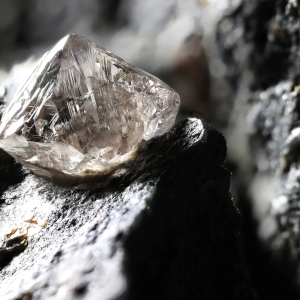
- The G7 Diamond Restrictions: Following international sanctions on Russian-mined goods (which historically made up over a quarter of global rough diamond output), traditional Western jewelry hubs have faced severe supply constraints. Trading centers like Antwerp have seen sharp declines in rough imports, while the flow of these materials has largely rerouted to alternative trading hubs like Dubai and processing centers in India.
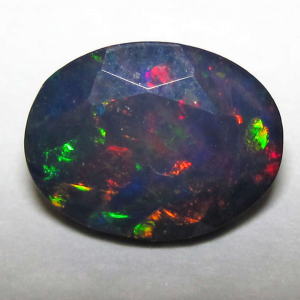
- Regional Sanctions and Blockades: High-value corridors face localized disruptions. For example, international boycotts and Western trade sanctions target military-controlled mines in regions like Myanmar (Burma), complicating the ethical sourcing of high-end jade and rubies.
3. Escalating Tariffs and Trade Barriers
Trade policies between global superpowers dictate retail access and margin structures.
- US Import Tariffs: As one of the largest consuming markets for luxury jewelry, shifting US tariff structures instantly impact foreign finished goods. Importers and manufacturers face instant margin pressure, forcing them to reconsider where they base their production facilities.
- Logistical Overheads: Shipping, insurance, and export costs for precious cargo have risen dramatically (upwards of 30% along critical routes) due to regional airspace and maritime security risks, impacting wholesale and retail pricing structures globally.
4. Forced Evolution Toward Absolute Traceability
Ultimately, geopolitical pressure has accelerated the industry’s shift away from opaque sourcing toward rigorous compliance and digital traceability.
- Strict Provenance Standards: Tighter ESG regulations in the European Union and strict origin-verification rules enforced by the G7 mean jewelry brands can no longer rely on paper guarantees.
- Technological Infrastructure: To operate legally in major Western markets, firms must heavily adopt blockchain tracking, mineral-to-asset digital passports, and robust scientific testing to definitively prove a crystal or gemstone’s geographic origin. Small-to-medium enterprises (SMEs) face the highest burden in adapting to these complex, fast-moving legal standards.