chloromelanite
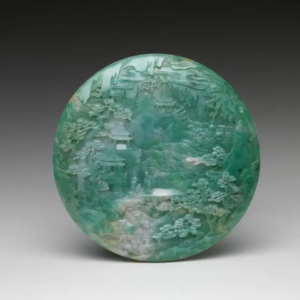
Chloromelanite is a type of jadeite jade, known for its distinctive dark green to black color, often with shades of forest green, bluish-green, or olive-green. The name “chloromelanite” comes from the Greek words chloros (meaning “green”) and melas (meaning “black”), reflecting its characteristic coloration.
While chloromelanite is a form of jadeite, it differs from the more traditional imperial jade, which is prized for its translucent emerald-green color. Chloromelanite, on the other hand, is typically opaque to translucent, and it’s known for its deep, rich green tones. Here’s more about chloromelanite, its properties, and uses:
Properties of Chloromelanite:
- Color:
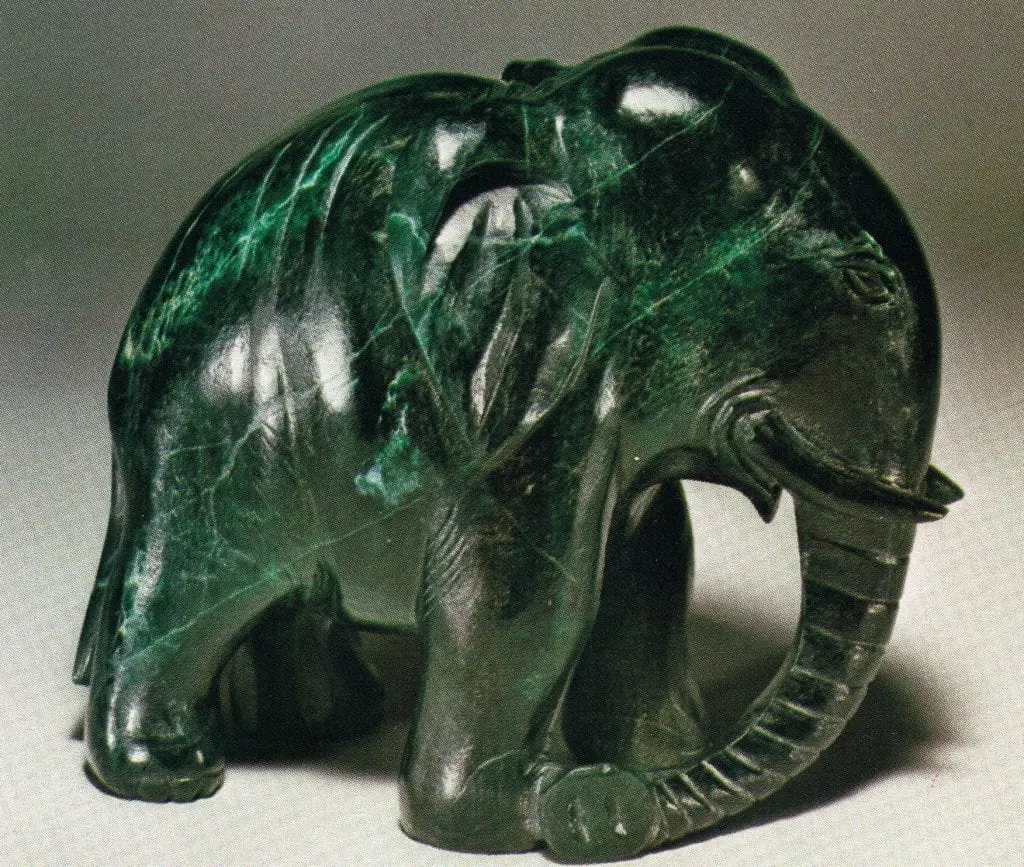
- Chloromelanite’s signature color is a dark green to black, often with a slightly mottled or variegated appearance. It can appear in various shades, from deep forest greens to almost black with lighter green flecks.
- The green color comes from the presence of chromium or iron in the jadeite, while the black tones are often the result of inclusions or mineral impurities.
- Translucency:
- While not as translucent as imperial jade, chloromelanite may have a slight degree of translucency, though it is generally more opaque. The most valuable pieces are those that retain a rich, consistent color with a smooth texture.
- Hardness and Durability:
- Chloromelanite shares the same hardness as other forms of jadeite on the Mohs scale, around 6.5-7, making it durable and resistant to scratching. It is relatively tough, though it can be brittle if subjected to a sharp impact.
- Due to its deep color and strong durability, chloromelanite is often used in jewelry and ornamental carvings.
- Rarity:
- While jadeite is rarer than nephrite, chloromelanite jade is still a relatively rare variety of jadeite. It is prized for its unique color but is less common than the more vibrant, emerald-green varieties of jadeite.
Cultural and Symbolic Significance:
- Symbolism:
- In Chinese culture, dark-colored jade like chloromelanite can still carry similar meanings of strength, protection, and purity as lighter jade colors. The dark tones are often associated with mystery, depth, and hidden power, giving it an aura of sophistication and reverence.
- Some cultures also associate dark jade with protection from negative energy or spiritual grounding, offering a sense of stability and calm.
- Use in Art and Jewelry:
- Jewelry: Chloromelanite is sometimes used in rings, pendants, and bracelets. Its dark, rich color makes it suitable for luxurious yet understated designs. It pairs well with silver, gold, or platinum settings to create a striking contrast.
- Carvings and Sculptures: Artists also carve chloromelanite into figurines, pendants, and decorative objects. The rich color of the jade is ideal for creating highly detailed carvings, especially those intended for ceremonial or spiritual purposes.
- Cultural Artifacts: In ancient cultures, dark jadeite may have been used for ritualistic or ceremonial objects due to its dense, impenetrable look, symbolizing strength and mystery.
- Alternative to Imperial Jade:
- While imperial jade (the bright green jadeite) is often reserved for the highest-class jewelry and artifacts, chloromelanite can be seen as a more affordable alternative. Its rich color and toughness still make it a desirable material for jewelry, albeit at a lower price point than imperial jade.
Where is Chloromelanite Found?
- Chloromelanite is primarily found in the same regions where jadeite jade is mined, notably:
- Myanmar (Burma): The majority of the world’s jadeite, including chloromelanite, comes from Myanmar. Myanmar’s jade deposits, particularly in the Hpakant region, are known for producing a wide variety of jadeite jade, including both imperial jade and more muted, dark varieties like chloromelanite.
- Guatemala: Known for its green jadeite, Guatemala also produces some varieties of darker jade.
- Other Sources: Smaller deposits of chloromelanite jadeite can also be found in other areas, including California (in the United States), Kazakhstan, and Hawaii.
Uses of Chloromelanite:
- Jewelry:
- Chloromelanite’s dark color makes it suitable for bold, contemporary designs. It is often used in statement rings, pendants, and bracelets that make an impact with their rich, deep hues.
- As an alternative to more brightly colored jade, it has an elegant, understated charm that appeals to those looking for a more unique, less conventional form of jade jewelry.
- Carvings:
- This variety of jade is commonly used in sculptures, small figurines, and ornamental pieces. Due to its opaque nature, chloromelanite jade can be polished to a smooth finish, highlighting the craftsmanship of detailed carvings, often of animals, deities, or nature-inspired motifs.
- Holistic and Spiritual Uses:
- Like other forms of jade, chloromelanite is believed by some to have healing properties. It is said to help with emotional balance, spiritual grounding, and protection. It’s used in spiritual amulets, meditation stones, and crystals for calming the mind and body.
Distinguishing Chloromelanite from Other Jades:
- Jadeite vs. Nephrite: Chloromelanite is a jadeite variety, which makes it a rarer and more valuable option compared to nephrite jade (which is typically more opaque and lighter in color).
- Chloromelanite vs. Imperial Jade: While imperial jade is prized for its emerald green, translucent quality, chloromelanite is darker, more opaque, and less expensive.
- Chloromelanite vs. Other Jadeite Varieties: Other varieties of jadeite include those that are light green, lavender, or even yellow. Chloromelanite is specifically known for its dark, greenish-black hues and is typically opaque.
Conclusion:
Chloromelanite is a striking and unique variety of jadeite that is highly valued for its dark, rich colors and its association with both mystical and protective properties. Its smooth, opaque appearance and deep hues make it suitable for luxury jewelry, art carvings, and spiritual amulets. While not as highly prized as imperial jade, it still holds a place of respect in both the gemstone market and the cultural significance of jade.
Would you like to explore any particular applications of chloromelanite in a specific world-building context, or are you interested in how it could interact with other mystical materials or gems?