Where will the transformation and upgrading of the jewelry industry go?
The transformation and upgrading of the jewelry industry will be influenced by a number of factors, including technological advancements, sustainability trends, and changing consumer behaviors. The future of the jewelry industry is likely to involve a blend of innovation, personalization, ethics, and digitalization, leading to an overall shift in how jewelry is designed, manufactured, sold, and consumed. Here are some key directions in which the jewelry industry is likely to evolve:
1. Integration of Technology (Smart Jewelry)
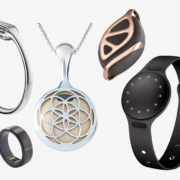
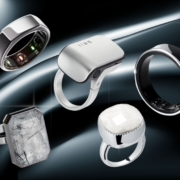
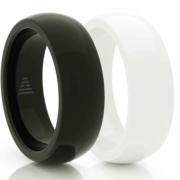
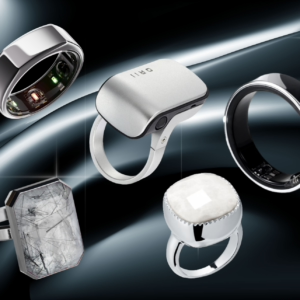
- Smart Jewelry Expansion: The rise of smart jewelry (wearables with added functions such as health tracking, payment systems, or communication) will continue to be a major trend. Consumers will increasingly demand jewelry that blends technology with aesthetics. Smart rings, bracelets, necklaces, and watches that track health metrics, make payments, or provide notifications are expected to become commonplace.
- Augmented Reality (AR) and Virtual Try-Ons: Jewelry retailers will increasingly use AR to offer virtual try-on experiences. Consumers will be able to “wear” pieces digitally before making a purchase, which could boost online sales and reduce returns.
- Customization and Personalization: Technology will enable more personalized and custom-made jewelry. AI-driven design tools, 3D printing, and augmented reality platforms will allow consumers to co-create unique pieces, choosing metals, stones, and designs that match their personal preferences.
- Blockchain for Authenticity and Traceability: As consumers become more concerned with ethical sourcing, blockchain technology will help trace the origin of precious materials like diamonds, gold, and other gemstones. This will provide consumers with verified proof of ethical sourcing and conflict-free supply chains.
2. Sustainability and Ethical Practices
- Eco-friendly Materials: Sustainability will be at the forefront of jewelry industry innovation. The demand for lab-grown diamonds, recycled metals, and ethically sourced gemstones will continue to grow. Consumers are becoming more aware of the environmental and social impacts of traditional mining, leading brands to adopt greener practices.
- Circular Economy: The jewelry industry will shift toward a more circular economy, where jewelry pieces are designed for longevity and recyclability. Companies may offer repair, refurbishment, or upcycling services to extend the lifecycle of jewelry, reducing the need for new raw materials and minimizing waste.
- Transparency and Certifications: Jewelry brands will increasingly embrace transparency regarding the sourcing and production processes. Certifications for sustainable practices (such as Fairmined, Responsible Jewellery Council, and others) will become a major factor in consumer decision-making, particularly for younger, eco-conscious shoppers.
3. Digital and Virtual Jewelry
- NFT Jewelry and the Metaverse: With the growth of virtual worlds and the metaverse, digital jewelry will become a major category. NFT (Non-Fungible Token) jewelry pieces, owned in virtual spaces, will allow consumers to express themselves in the digital realm, such as within games, social media, or virtual environments. Digital jewelry may take the form of accessories for avatars, showcasing unique designs with digital ownership.
- Blending Physical and Digital Jewelry: Some companies will likely combine physical jewelry with digital counterparts, allowing consumers to own both a real piece of jewelry and its NFT or virtual twin. This creates a hybrid experience where users can show off their jewelry in real life and virtually.
- 3D Printing and Customization: 3D printing technology will empower jewelry brands and consumers to create bespoke, one-of-a-kind pieces at a lower cost. With the aid of software tools, customers can design their jewelry from scratch, which can be produced on-demand by 3D printers.
4. Personalization and Customization
- Made-to-Order and Co-Creation: Customization is already growing in popularity and will expand with the rise of AI and 3D printing. Consumers will increasingly want jewelry that reflects their personality, story, or milestones. Brands will offer tools that allow customers to co-design their jewelry pieces, choosing materials, stones, engravings, and settings that are meaningful to them.
- AI-Driven Designs: AI could be used to create unique jewelry designs based on customer preferences, historical design trends, and lifestyle data. Algorithms may be used to generate new, never-before-seen designs that resonate with individual tastes or even body types.
5. E-commerce and Direct-to-Consumer (DTC) Models
- Online Shopping Dominance: The jewelry industry will see continued growth in online sales, further accelerated by the COVID-19 pandemic. Consumers will become accustomed to purchasing high-value items online, aided by virtual try-on technology, customer reviews, and 3D visualization tools.
- Subscription Services and Jewelry Rental: Subscription-based models for jewelry will expand, offering consumers access to high-end pieces on a rental basis or as part of a membership package. This model could be popular for people who want to wear different styles frequently but prefer not to own large collections of jewelry.
- Omnichannel Experiences: To stay competitive, jewelry brands will need to adopt omnichannel approaches, offering seamless shopping experiences across physical stores, e-commerce websites, mobile apps, and social media platforms. Offering virtual consultations or live-streamed shopping events may also become more prevalent.
6. Luxury and Craftsmanship
- Resurgence of Craftsmanship: As mass-market jewelry becomes more automated and technology-driven, there will likely be a renewed appreciation for artisanal craftsmanship and handmade jewelry. High-end consumers may seek bespoke, handcrafted pieces from designers who specialize in unique materials, techniques, and story-driven designs.
- Brand Storytelling and Heritage: Jewelry brands will focus on building a narrative around their pieces, whether it’s through the heritage of their craftsmanship, the story behind a gemstone, or their commitment to sustainability. Consumers are increasingly looking for emotional connections with the brands they support, and storytelling will play a key role in this.
7. New Materials and Innovative Designs
- Innovative Materials: The jewelry industry will continue to experiment with new materials, including lab-grown diamonds, biodegradable metals, and non-traditional gemstones such as recycled glass or sustainable plastic alternatives. Some companies may also explore space-derived materials as part of the trend toward “extraterrestrial” luxury.
- Biomimicry in Jewelry Design: Nature-inspired designs will continue to influence jewelry creation. Biomimicry, which involves designing products based on biological organisms and systems, will inspire new jewelry styles that are more intricate, sustainable, and efficient.
8. Inclusive and Diverse Representation
- Size Inclusivity: Jewelry brands will increasingly adopt inclusive sizing, offering rings, bracelets, and necklaces in a wide variety of sizes and styles that appeal to diverse body types and personal identities.
- Cultural Sensitivity and Representation: There will be a focus on cultural representation in jewelry designs. Brands will strive to create pieces that celebrate various cultures, traditions, and identities, providing consumers with jewelry that reflects their heritage and personal values.
Conclusion: The Future of Jewelry
The jewelry industry is poised for a profound transformation, driven by technology, sustainability, and a shift in consumer preferences. Consumers are becoming more conscious of their purchases, seeking personalized, meaningful, and ethically sourced products. The rise of smart jewelry, 3D printing, NFTs, and AR/VR technology will redefine the jewelry shopping experience, while sustainability will continue to be a central theme.
At the same time, the industry will also embrace traditional craftsmanship and luxury experiences, allowing for a blend of the old and the new. Jewelry will no longer just be an accessory, but an integral part of a personalized lifestyle—one that merges fashion, technology, sustainability, and individuality. The future of jewelry will be more interactive, inclusive, and intimately connected to personal identity.