Spiderweb Stone
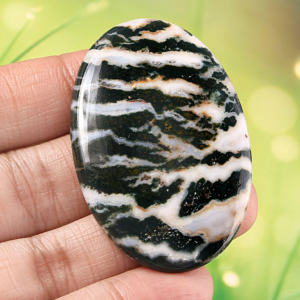
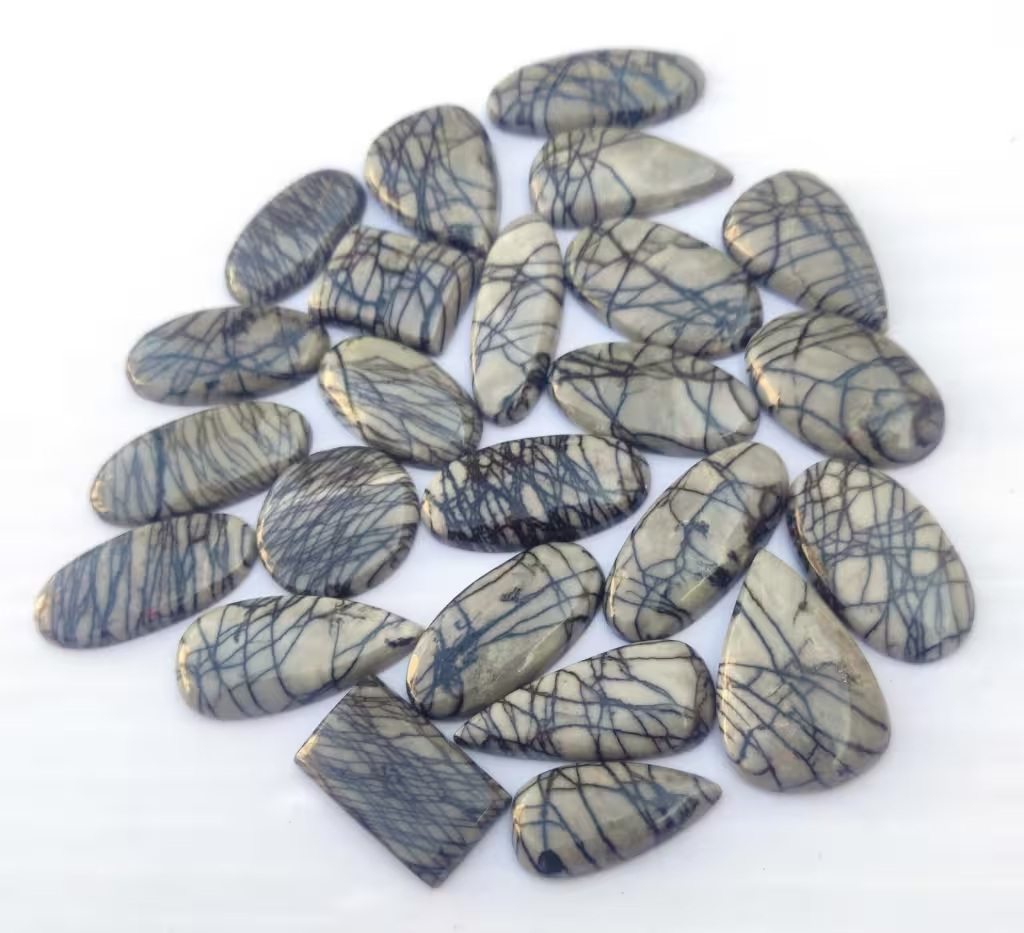
Spiderweb Jasper, also known as Spiderweb Stone, is a striking variety of jasper renowned for its unique, intricate patterns resembling a spider’s web. This semi-precious gemstone is celebrated for its vivid colors and complex designs, which are formed by the interplay of mineral inclusions and variations in its matrix. Each piece of Spiderweb Jasper is one-of-a-kind, showcasing a captivating blend of hues and patterns that make it highly sought after by collectors and enthusiasts. Often used in jewelry and decorative items, Spiderweb Jasper is not only admired for its aesthetic beauty but also valued for its purported metaphysical properties, including grounding and stabilizing energies.
Contents
- Geological Formation
- Physical Characteristics
- Historical and Cultural Significance
- Uses in Jewelry and Art
- Major locations where Spiderweb Jasper is found
Geological Formation
Formation Process of Jasper Stones: Jasper is a type of chalcedony, which is a microcrystalline variety of quartz. The formation of jasper stones begins when silica-rich solutions infiltrate cracks and voids in volcanic rocks, sedimentary layers, or other geological formations. Over time, the silica precipitates and fills these spaces, forming a dense, opaque rock with a fine-grained texture. The process involves the slow cooling and solidification of these silica solutions, which allows for the development of the characteristic hardness and durability of jasper.

Specific Conditions Leading to Spiderweb Patterns: The distinctive spiderweb patterns in Spiderweb Jasper arise from the unique interaction of various minerals and geological conditions during its formation. These patterns are typically created through:
- Inclusion of Iron Oxides and Other Minerals: Variations in the types and concentrations of mineral inclusions, such as iron oxides, can create contrasting colors and intricate patterns within the jasper. The spiderweb effect is often due to the irregular distribution and arrangement of these inclusions.
- Chemical Reactions: The formation of spiderweb patterns can be influenced by chemical reactions between the silica and other elements present during the rock’s formation. These reactions can lead to the development of lines, streaks, or web-like structures as different minerals precipitate at different rates or locations.
- Layering and Banding: The presence of layered or banded formations in the host rock can influence the appearance of the spiderweb patterns. As the jasper forms, it may take on the structure of the surrounding layers, leading to the characteristic web-like patterns.
- Variation in Cooling Rates: The rate at which the silica solution cools can affect the patterning of the jasper. Uneven cooling rates can result in irregular patterns and formations within the stone.
Overall, the striking spiderweb patterns in this variety of jasper are a result of a complex interplay of geological processes, including mineral inclusions, chemical reactions, and cooling rates, which combine to create its distinctive and visually captivating appearance.
Physical Characteristics
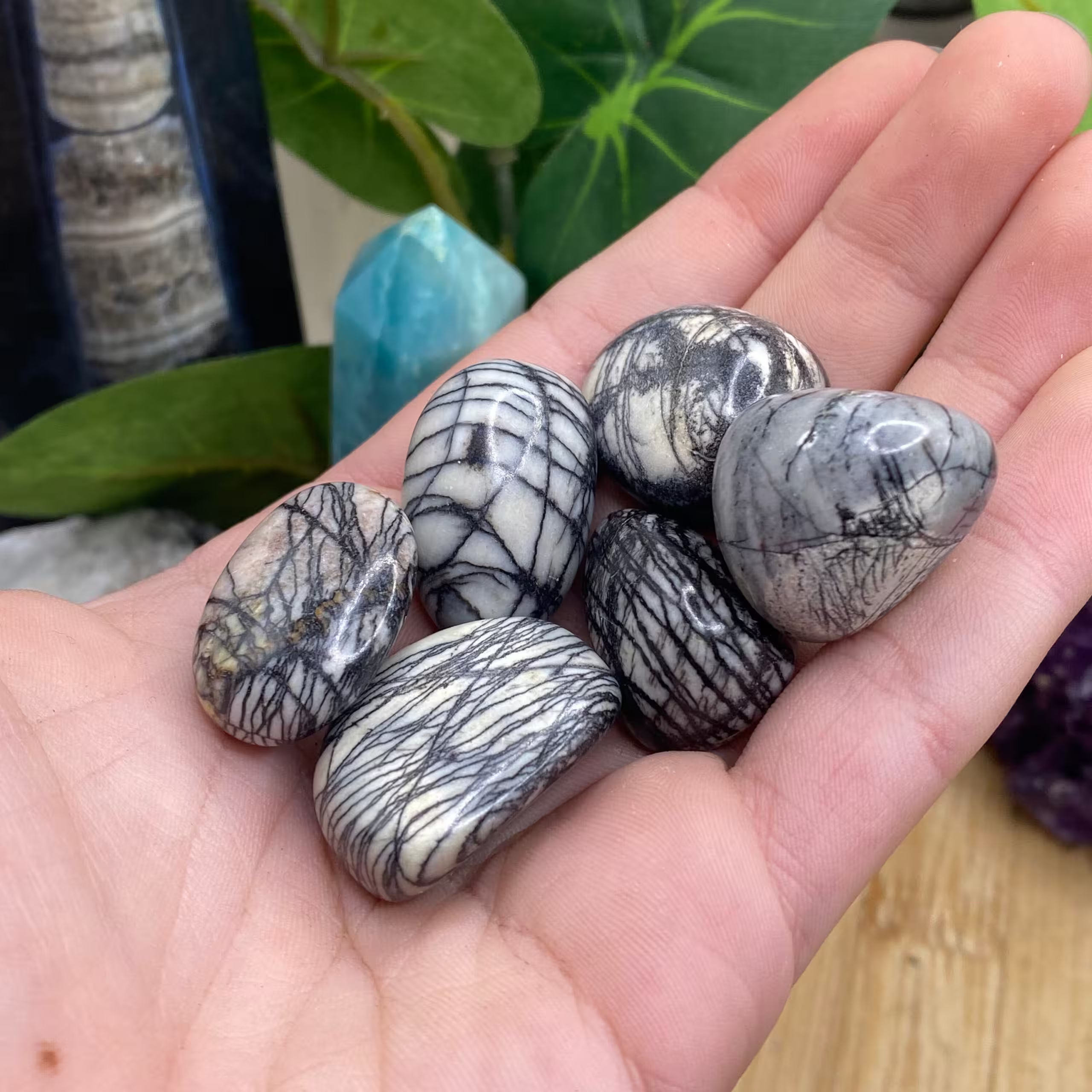
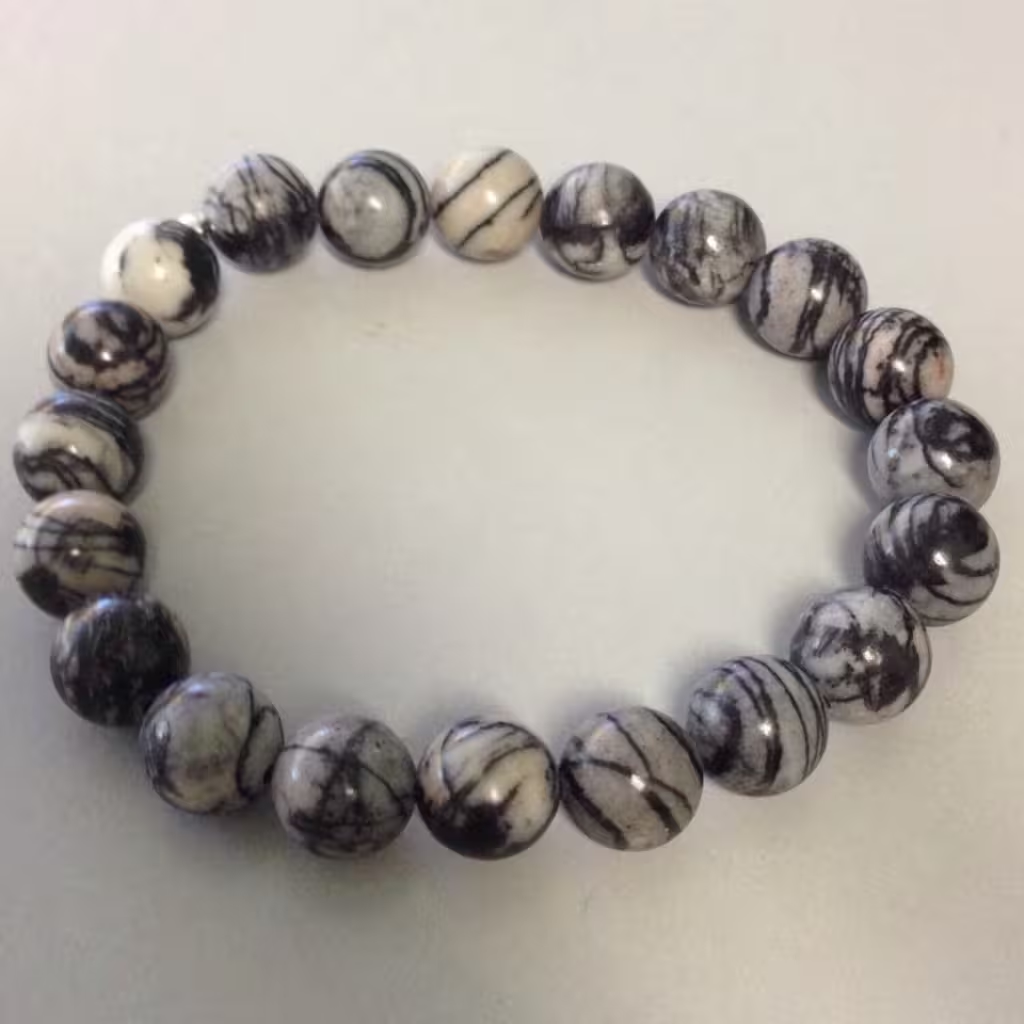
Color Variations: Spiderweb Jasper is renowned for its captivating color variations, which typically include shades of black, white, and gray. The most distinguishing feature is its intricate, web-like patterns, which can contrast sharply against the base colors of the stone. These patterns may appear as fine lines or networks of color, giving each piece a unique and eye-catching appearance. The interplay of different colors and patterns contributes to the stone’s visual appeal and makes each specimen distinct.
Hardness and Durability: Spiderweb Jasper, like other forms of jasper, is relatively hard and durable. It ranks about 6.5 to 7 on the Mohs scale of hardness, which measures a mineral’s resistance to scratching. This hardness makes Spiderweb Jasper suitable for various applications, including jewelry and decorative items, as it can withstand everyday wear and tear. Its durability ensures that it retains its appearance over time, making it a popular choice for items that are both functional and ornamental.
Texture and Polish Potential: The texture of Spiderweb Jasper is generally smooth and even, with a fine-grained structure that contributes to its polished finish. The stone takes well to polishing, which enhances its natural luster and brings out the depth and clarity of its patterns. When properly polished, Spiderweb Jasper can exhibit a glossy surface that highlights the intricate web-like designs and vibrant colors, making it an attractive choice for high-quality jewelry and decorative pieces. The stone’s texture and polish potential are key factors in its appeal, as they allow the natural beauty of the stone to be fully appreciated.
Historical and Cultural Significance
Use in Ancient Cultures or Civilizations: While Spiderweb Jasper itself may not have been specifically documented in ancient cultures, jasper as a material has a long history of use. Ancient civilizations, including the Egyptians, Greeks, and Native American tribes, valued jasper for its beauty and supposed metaphysical properties. They often used jasper in amulets, carvings, and jewelry. The unique patterns of Spiderweb Jasper likely made it particularly intriguing and valuable to these cultures, though specific historical references to Spiderweb Jasper may be limited.
Symbolism Associated with Spiderweb Patterns: The spiderweb patterns in Spiderweb Jasper are often associated with themes of connection and interweaving of energies. The intricate, network-like designs symbolize the interconnectedness of all things and the delicate balance of natural forces. In some spiritual and metaphysical practices, these patterns are seen as representations of the web of life, symbolizing the complexity and interdependence of the universe.
Folklore or Myths Related to Spiderweb Jasper: Spiderweb Jasper is sometimes linked to folklore and myths that highlight its protective and grounding properties. In various traditions, the spider is seen as a symbol of creativity, patience, and the creation of one’s destiny. The web-like patterns in Spiderweb Jasper may be thought to carry these symbolic meanings, representing the weaving of one’s own fate or the ability to navigate complex situations with clarity and resilience.
In some cultures, Spiderweb Jasper is believed to provide stability and support, helping individuals to maintain focus and balance in their lives. It is also thought to be a stone of protection, offering a shield against negative energies and promoting a sense of security and grounding. These symbolic associations enhance the cultural and spiritual significance of Spiderweb Jasper, making it a cherished stone in various traditions.
Uses in Jewelry and Art
Jewelry: Spiderweb Jasper is a popular choice for various types of jewelry due to its striking appearance and durability. Common applications include:
- Necklaces: Spiderweb Jasper is often used as pendants or beads in necklaces. Its unique patterns make it a focal point in both casual and elegant designs.
- Bracelets: The stone is used in bead bracelets, where its intricate patterns can be showcased in a more subtle way compared to larger pieces.
- Earrings: Spiderweb Jasper can be set in earrings, either as cabochons or beads, providing a distinctive and eye-catching element to the design.
- Rings: The stone’s hardness and attractive patterns make it suitable for use in rings, where it can be set as a centerpiece or in combination with other gemstones.
Art: In addition to its use in jewelry, Spiderweb Jasper is valued for its artistic applications:
- Carvings and Sculptures: Artists often carve Spiderweb Jasper into decorative items such as figurines, ornaments, or small sculptures. The stone’s patterns lend themselves well to detailed and intricate designs.
- Inlays and Cabochons: Spiderweb Jasper is used as inlays in various artistic and decorative items. It can also be polished into cabochons for use in artistic pieces or collectible items.
- Decorative Objects: The stone is employed in the creation of decorative objects like paperweights, coasters, or custom art pieces. Its unique patterns and colors add an aesthetic appeal to these items.
Overall, Spiderweb Jasper’s vibrant colors and complex patterns make it a versatile material for both jewelry and artistic creations, offering a blend of beauty and functionality.
Major locations where Spiderweb Jasper is found

Spiderweb Jasper is primarily found in a few notable locations around the world, each contributing to the unique variations of the stone. Major locations include:
- United States: Significant deposits of Spiderweb Jasper are found in the southwestern regions, particularly in Arizona. The state is known for its rich variety of jasper types, including those with spiderweb patterns.
- Mexico: Spiderweb Jasper is also found in Mexico, where it is often located in areas with volcanic activity. Mexican deposits of jasper can exhibit diverse and striking patterns.
- Australia: Some Spiderweb Jasper is sourced from Australia, known for its high-quality gemstones with intricate patterns. Australian deposits contribute to the global supply of this unique stone.
- India: In India, Spiderweb Jasper can be found in various regions with a history of gemstone mining. Indian deposits add to the diversity of patterns and colors available in Spiderweb Jasper.
These locations are known for producing Spiderweb Jasper with distinctive and varied patterns, contributing to the stone’s popularity among collectors and artisans.