Labradorescence
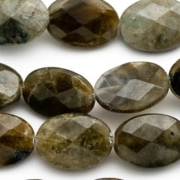
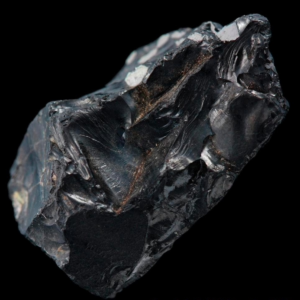
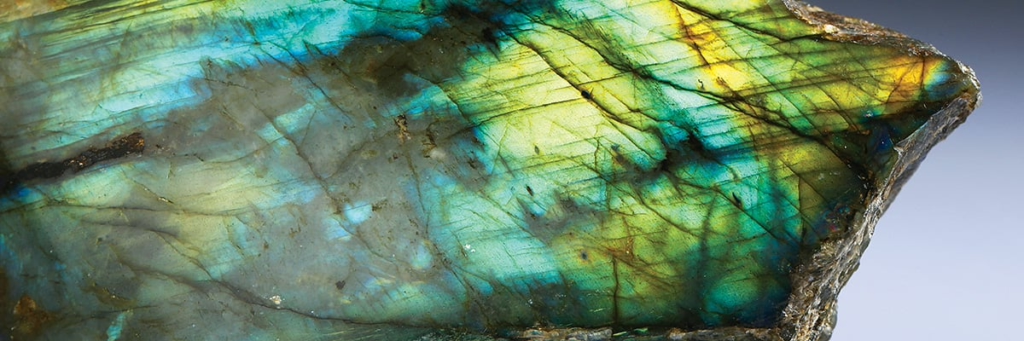
Labradorescence is the optical phenomenon that gives labradorite and certain other minerals their characteristic iridescent play of colors. This effect is what makes labradorite stones appear to change color as they are viewed from different angles, creating flashes or “flashes of color” within the stone.
How Labradorescence Works:
The phenomenon of labradorescence occurs due to the internal structure of the mineral. Labradorite has layers of plagioclase feldspar crystals that are aligned in such a way that they refract light. As light enters the stone, it is reflected, refracted, and scattered in multiple directions, resulting in the vibrant, shifting colors seen on the surface of the gem.
The quality and intensity of the labradorescence depend on several factors:
- Angle of Light: The effect is strongest when the stone is viewed at certain angles, with the colors shifting based on the light’s position.
- Structure of the Stone: The size and arrangement of the micro-layers inside the stone also affect the intensity and range of colors seen.
- Crystal Size: Larger crystals with more distinct internal layers tend to produce more noticeable and colorful labradorescence.
Common Colors in Labradorescence:
The colors seen in labradorescence can range across a spectrum, including:
- Blue: One of the most iconic labradorescent colors, often creating a striking, vivid flash.
- Green: A softer, more subtle flash that can blend with other colors.
- Gold/Yellow: Common in brown and golden varieties of labradorite, giving the stone a warm, glowing appearance.
- Orange and Red: These can be more rare but are seen in some stones, especially those with deeper tonal variations.
Labradorite Varieties and Labradorescence:
- Blue Labradorite: Known for its bright blue flashes, this is the most commonly seen and prized type.
- Rainbow Labradorite: Often a combination of blue, green, yellow, and gold hues.
- Brown Labradorite: The brown variety can exhibit gold, bronze, and reddish flashes.
Labradorescence in Other Stones:
While labradorite is the most famous for this phenomenon, labradorescence can also appear in other minerals, including spectrolite, which is a variation of labradorite from Finland, known for its exceptionally bright and colorful flashes. Other feldspar minerals like andesine can also exhibit a similar play of colors.
Why It’s So Special:
Labradorescence is one of the key features that make labradorite a prized gemstone. It is often used in jewelry and decorative objects to create an ethereal, ever-changing visual effect. This iridescence adds a dynamic and mystical quality to the stone, making it particularly popular in spiritual and metaphysical circles.
Would you like to explore more about how to identify labradorescence or its role in specific types of jewelry?