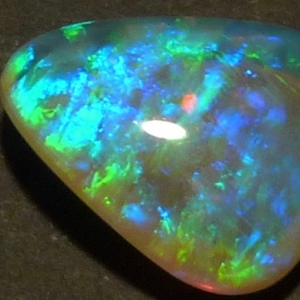
jet
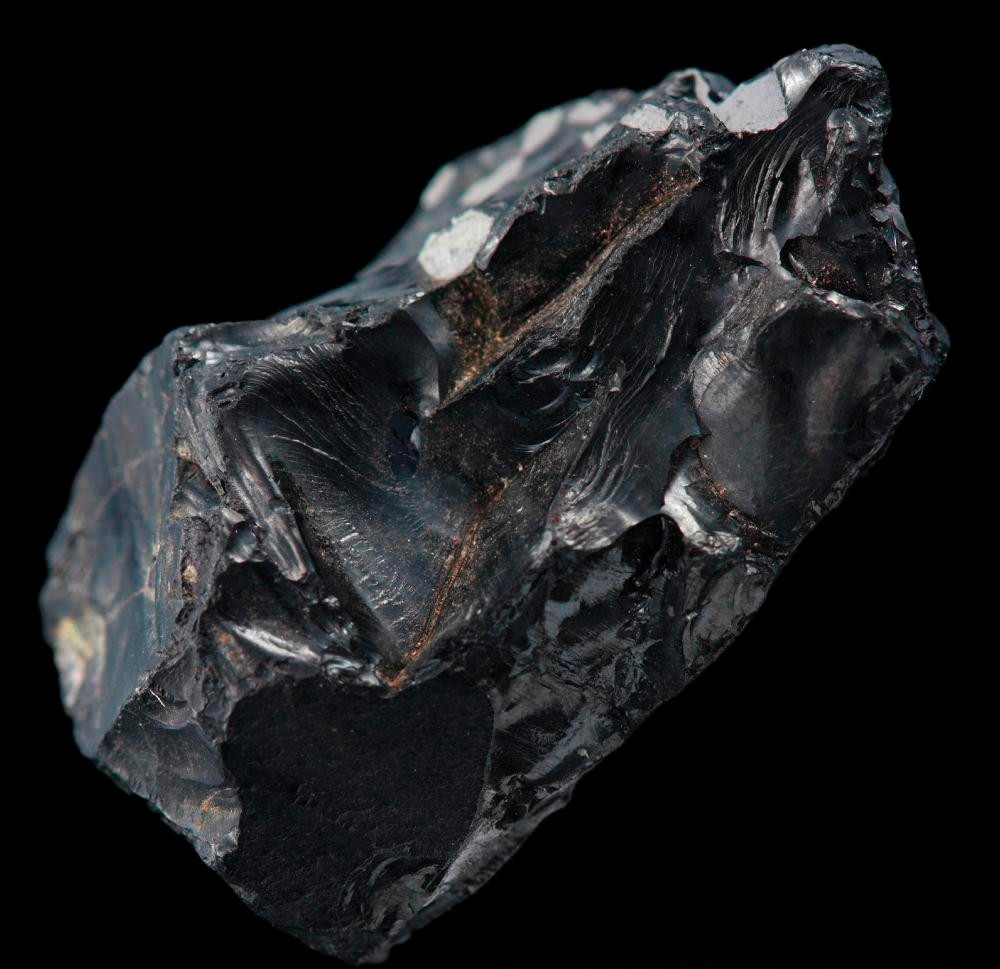
Jet is a type of lignite, a precursor to coal, formed from fossilized wood under high pressure and heat over millions of years. It has a rich, deep black color and is often used as a gemstone in jewelry. Here’s a detailed look at jet:
1. Appearance:
- Color: Jet is typically a deep, glossy black, though it can sometimes have brownish or reddish tones. It often has a smooth, velvety texture and can be highly polished.
- Texture: It is lightweight and feels somewhat softer than other gemstones, with a smooth surface and can be carved easily.
2. Formation:
- Jet forms from the remains of ancient wood (usually trees like conifers), which, over time, became buried and subjected to pressure and heat. This process causes the organic material to harden and fossilize, turning it into the solid form we now call jet.
3. Properties:
- Hardness: Jet is relatively soft compared to other gemstones, with a Mohs hardness of around 2.5 to 4.0. As a result, it can be scratched easily and should be handled with care.
- Density: Jet is lighter than many other gemstones, which is one of its distinguishing features.
- Polishing: Jet can achieve a deep, glass-like shine when polished, making it a desirable material for fine jewelry.
- Electrical Properties: Historically, jet was believed to have mystical or healing properties, such as the ability to ward off evil or bring good fortune. It can also generate static electricity when rubbed, which gave rise to its use in ancient times as an amulet.
4. Uses in Jewelry:
- Beads and Pendants: Jet is often used in necklaces, earrings, bracelets, and brooches, especially for its elegant black color and ability to be easily shaped.
- Victorian Era: Jet became especially popular during the Victorian era, particularly for mourning jewelry, as it was lightweight and offered a somber, yet beautiful, aesthetic.
- Carvings: Due to its softness, jet is often carved into intricate designs, such as cameos or decorative patterns.
5. Sources:
- United Kingdom: Historically, the most famous source of jet was Whitby, a coastal town in England, where jet has been mined for thousands of years.
- Other Sources: Jet is also found in regions of Spain, Turkey, and the United States, but the Whitby jet remains the most well-known and sought-after due to its high quality.
6. Care and Maintenance:
- Cleaning: Jet can be cleaned with a soft cloth and warm soapy water. Avoid harsh chemicals or ultrasonic cleaners, as they can damage the material.
- Avoid Impact: Due to its relative softness, jet jewelry should be handled carefully to avoid scratches or breakage.
- Storage: Store jet items separately from other gemstones or jewelry to prevent scratching and keep them away from extreme heat, which could cause the material to degrade.
Jet has a long history of use in jewelry, particularly in times of mourning or as an accent to other gemstones. It is still cherished today for its unique look and the deep black hue it brings to designs.
Would you like more information about jet’s historical significance or how it’s used in contemporary jewelry?