Hyalite Opal
Hyalite opal is a unique variety of opal that is colorless and transparent. It is a type of mineral silica that’s chemically similar to quartz but contains water within its mineral structure. What sets hyalite apart from other forms of opal is its distinct glassy appearance and high water content, which can be up to 8% by weight.

Hyalite-Opal – Minerals For Sale (weinrichmineralsinc.com)
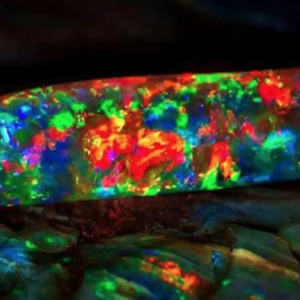
One of the most striking features of hyalite opal is its ability to exhibit strong green fluorescence under ultraviolet light. This fluorescent quality is due to trace amounts of uranium within its composition, making it one of the few gemstones that naturally fluoresce.
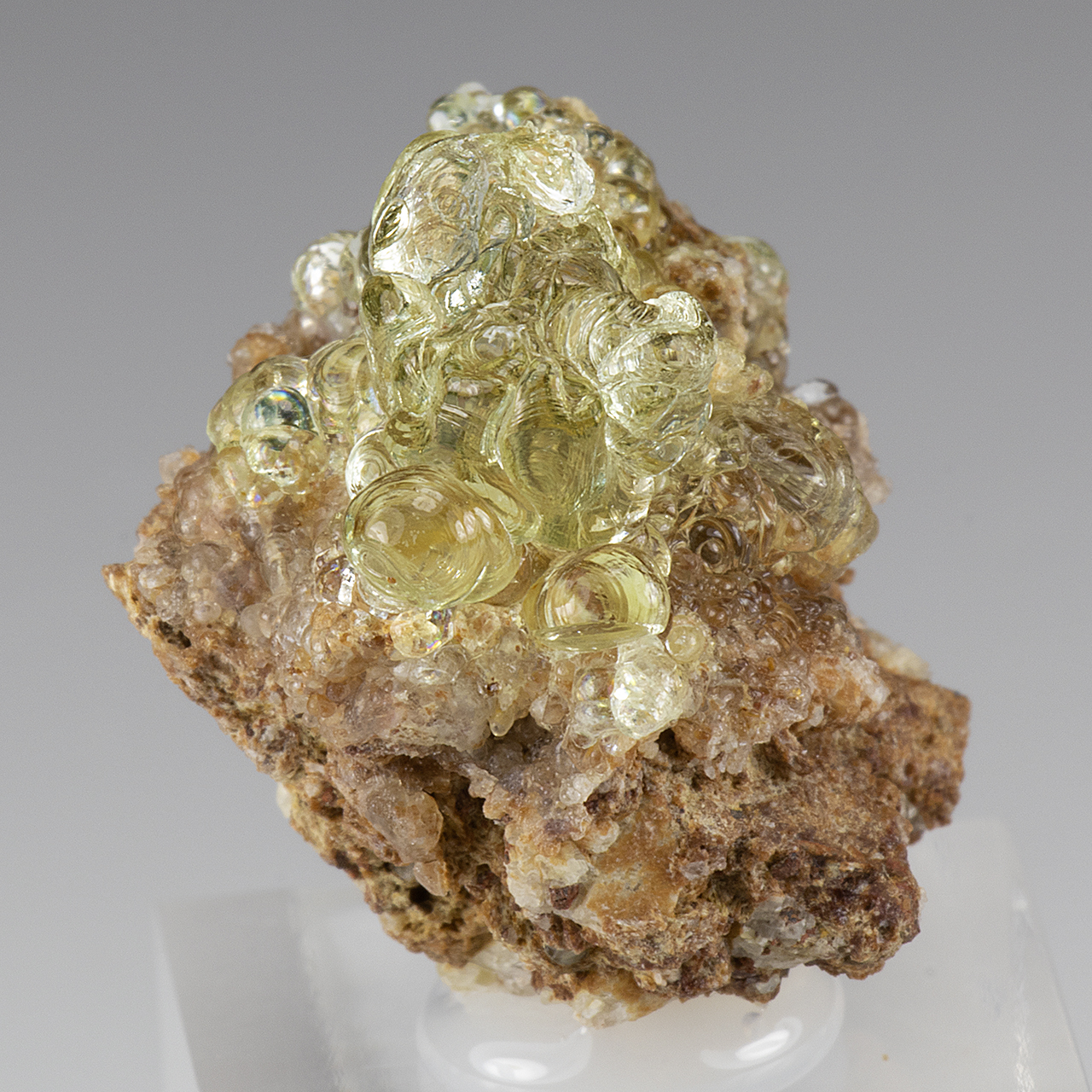
In terms of physical properties, hyalite opal has a hardness of around 5.5-6 on the Mohs scale, making it relatively soft and somewhat suitable for jewelry that is not subject to rough wear. It often forms in globular or botryoidal aggregates, which are small rounded shapes that resemble a bunch of grapes. These forms are highly attractive when polished and are sought after by mineral collectors and gem enthusiasts alike.
Formation and Geology of Hyalite Opal

Hyalite-Opal – Minerals For Sale (weinrichmineralsinc.com)
Geological Conditions for Formation: Hyalite opal forms under specific geological conditions where silica-rich solutions are present. These conditions typically occur in volcanic regions where silica can leach out from volcanic ash layers and dissolve in water. Over time, this silica-saturated solution can infiltrate cavities, cracks, or spaces around rocks and gradually deposit hyalite opal as the water evaporates or cools. The formation process involves a slow accumulation of silica gel which eventually hardens into hyalite opal, trapping water molecules within its structure.
Role of Silica and Water: Silica (SiO2) is the fundamental component of all types of opal, including hyalite. In hyalite opal, silica is present in a hydrated form, meaning it includes water within its crystal structure. This high water content is crucial not only for the formation of the mineral but also for giving it some of its unique characteristics, such as its glass-like appearance and ability to fluoresce under UV light. The formation process is heavily dependent on the availability of silica and the environmental conditions that allow for its dissolution and subsequent precipitation as hyalite.
Major Global Locations: Hyalite opal is found in several key locations around the world, primarily associated with regions that have a history of volcanic activity. Some of the notable places where hyalite opal occurs include:
- Mexico: Known for producing high-quality hyalite opal, especially in regions around Central Mexico where volcanic activity has historically been prevalent.
- United States: Specific locations in Arizona, California, and Nevada are known for their deposits of hyalite opal, often found in areas with past geothermal or volcanic activity.
- Germany: The Eifel region in Germany is another well-known area for hyalite opal, again linked to its volcanic past.
- Australia and New Zealand: Both countries have regions where hyalite opal can be found, associated with their volcanic zones.
These locations all share common geological traits, such as past volcanic activity and the presence of silica-rich rocks, which are conducive to the formation of hyalite opal. The presence of hyalite opal in these regions underscores the mineral’s close association with specific and unique geological settings that provide the necessary conditions for its development.
Physical and Chemical Properties
https://www.icia.uk/wp-content/uploads/2024/11/75e0a5786a29672acfda64f7e25693d7.webpOpal var. Hyalite – Minerals For Sale (weinrichmineralsinc.com)
Chemical Composition and Structure of Hyalite Opal
Chemical Composition: Hyalite opal is chemically composed of hydrated silicon dioxide (SiO₂·nH₂O). The formula indicates that it consists of silica and water, with the water content typically around 3% to 8% by weight. This composition places hyalite in the group of mineraloids, which are amorphous (non-crystalline) solids lacking a defined crystal structure.
Chemical Structure: Unlike crystalline minerals, hyalite opal has an amorphous structure, meaning its atoms are not arranged in a regular lattice. This amorphous nature is a result of the rapid precipitation of silica from a colloidal solution, where silica particles are suspended in water. As the solution evaporates or conditions change, the silica particles bond together, trapping water molecules within the structure, but without forming a regular crystal lattice.
Physical Properties of Hyalite Opal

Hyalite Opal Specimen (albionfireandice.co.uk)
Hardness: Hyalite opal has a hardness of about 5.5 to 6 on the Mohs scale, making it relatively soft compared to many other gemstones. This level of hardness makes it suitable for various types of jewelry, but it requires care to avoid scratching.
Refractive Index: The refractive index of hyalite opal typically ranges from 1.42 to 1.45. This property measures how much light is bent, or refracted, when entering the material. The refractive index of hyalite is relatively low compared to other gemstones, contributing to its unique visual characteristics.
Transparency: Hyalite opal is noted for its exceptional transparency and clarity. It can range from transparent to translucent, which is quite distinctive among opals, as most other types exhibit some degree of opacity.
Unique Features of Hyalite Opal
Fluorescence Under UV Light: One of the most remarkable features of hyalite opal is its ability to fluoresce under ultraviolet light. This fluorescence is typically a bright green color, attributed to trace amounts of uranium or other activators within the silica structure. This unique characteristic not only makes hyalite opal a favorite among collectors but also useful in certain scientific and decorative applications.
These physical and chemical attributes make hyalite opal a fascinating subject of study in both gemology and mineralogy, highlighting its distinct place within the variety of mineraloid gemstones.
Applications and Uses

1. Jewelry and Ornamentation
Hyalite opal is often used in jewelry due to its distinct transparency and potential for strong fluorescence. It can be cut into various shapes and used in necklaces, earrings, pendants, and other decorative pieces. Its unique glowing appearance under UV light adds an intriguing element for designers seeking to create pieces with a distinct nighttime appeal.
2. Collecting and Display
Mineral collectors prize hyalite opal for its rarity and the unique properties it exhibits, especially its fluorescence under UV light. It is often sought after for inclusion in mineral displays in museums or personal collections. The aesthetic appeal of its clear, glass-like appearance and the novelty of its green fluorescence make it a fascinating specimen for display.
3. Educational and Research Purposes
In educational settings, hyalite opal is used to demonstrate mineraloid properties, particularly its amorphous structure and fluorescence. It serves as a practical example in geology and gemology courses, helping students understand the impact of trace elements like uranium in mineral fluorescence. Researchers might also study hyalite to gain insights into the geochemical processes that lead to its formation.
4. Spiritual and Healing Use
Like many gemstones, hyalite opal is sometimes used in crystal healing and spiritual practices. Adherents believe it can enhance emotional clarity, promote purity of thought, and increase personal power. Its clear appearance is often associated with purity and spiritual cleansing.
5. Decorative Art
Due to its striking appearance and fluorescent qualities, hyalite opal can be used in various art installations and decorative applications. Artists and designers might incorporate it into sculptures, mosaics, or other artistic projects to leverage its unique glow under UV light, adding an element of surprise and visual interest in dark settings.
6. Scientific and Technological Tools
The fluorescence properties of hyalite opal can be useful in certain scientific applications, such as in UV light studies and other optical experiments. Researchers can use it to calibrate or validate instruments that are designed to detect or measure fluorescence.
Through these diverse applications, hyalite opal not only enhances aesthetic value but also contributes to educational and scientific fields, demonstrating the broad utility of this unique gemstone.