Baltic Amber
Baltic Amber is one of the most well-known and sought-after types of amber, prized for its beauty, history, and quality. It is the largest and most significant source of amber in the world, with deposits found in the region surrounding the Baltic Sea, including countries like Poland, Lithuania, Latvia, Estonia, and Russia.
Key Features of Baltic Amber:
- Color:
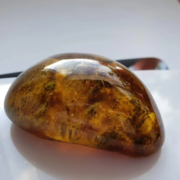
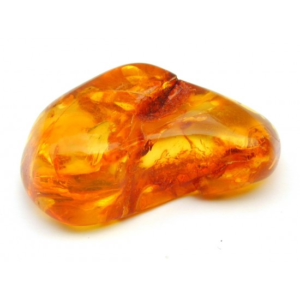
- Baltic amber comes in a variety of colors, ranging from golden yellow, honey, and amber brown to red, green, and even rare shades of blue.
- The most common color is a rich, warm golden hue, but the presence of different organic compounds in the resin during its fossilization process can create this wide spectrum of colors.
- The amber can also have a clear or opaque appearance, and certain pieces may have inclusions (tiny organisms or plant matter trapped in the resin) that make each specimen unique.
- Formation:
- Baltic amber is around 44 million to 60 million years old, originating from the resin of ancient coniferous trees that once grew in the region. Over time, the resin was buried and fossilized under layers of soil, forming the amber that we see today.
- This amber is primarily composed of succinite, a type of amber rich in succinic acid, which is believed to be a major contributing factor to its unique properties.
- Inclusions:
- Baltic amber is famous for the wide variety of inclusions it can contain, including tiny insects, plant material, air bubbles, and even small pieces of ancient wood.
- Insect inclusions are particularly prized and can help researchers understand ancient ecosystems, as they provide direct evidence of the types of organisms that lived millions of years ago.
- Scientific Importance:
- Baltic amber is one of the most scientifically valuable forms of amber due to its age, abundance, and the quality of its inclusions.
- The inclusions preserved in Baltic amber provide a snapshot of life during the Eocene period, helping scientists study ancient climates, ecosystems, and evolutionary processes.
- Uses:
- Jewelry: Baltic amber is widely used in making necklaces, bracelets, earrings, and rings due to its natural beauty and warmth.
- Decorative Items: Amber is also carved into sculptures, beads, and other ornamental objects.
- Health and Healing: Some cultures believe that Baltic amber has healing properties, particularly for reducing pain and inflammation. This belief is most commonly associated with amber teething necklaces for babies, although the scientific support for such claims is limited.
- Properties:
- Succinic Acid: Baltic amber contains a high level of succinic acid (also known as amber acid), a compound that is believed to have natural therapeutic properties, such as anti-inflammatory and antioxidant effects.
- Lightweight: Amber is very light compared to other gemstones, making it comfortable to wear, especially in larger pieces.
- Softness: Amber is relatively soft, with a Mohs hardness of 2 to 2.5, meaning it can scratch easily, so care must be taken when wearing or handling Baltic amber.
- Care:
- Avoid Harsh Chemicals: Baltic amber should not be exposed to perfumes, cosmetics, or harsh cleaning chemicals.
- Avoid Heat: Amber can be affected by prolonged exposure to heat, which may cause it to crack or lose its natural luster.
- Gentle Cleaning: Clean Baltic amber gently with warm, soapy water and a soft cloth. It should not be cleaned with ultrasonic or steam cleaners, as this may damage the resin.
Rarity and Value:
- Baltic amber is one of the most abundant types of amber, but high-quality specimens with unique inclusions or rare colors, such as green amber or blue amber, are much more valuable.
- Inclusion quality plays a major role in determining the value of a piece of amber. Amber with well-preserved insects or other ancient life forms is especially prized by collectors and scientists.
Interesting Facts:
- Amber Jewelry: Baltic amber has been used in jewelry for thousands of years, dating back to ancient civilizations such as the Greeks, Romans, and even the Vikings.
- Historical Significance: Amber was so highly valued in ancient cultures that it was used as currency in some areas, and it was believed to have mystical and healing properties.
- Symbolism: Amber has been a symbol of life, warmth, and protection in many cultures, and it continues to be associated with good health, vitality, and the passage of time.
Would you like to learn more about how to identify authentic Baltic amber, buying Baltic amber jewelry, or explore scientific discoveries made from amber inclusions?