Pinfire Opal
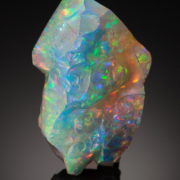
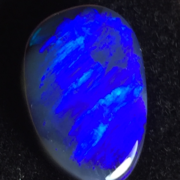
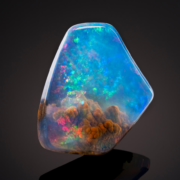
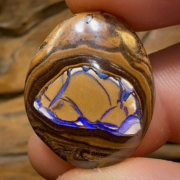
Pinfire opal is a unique variety of opal characterized by its distinctive pattern of small, pinpoint flashes of color. These pinpoints resemble tiny sparks or stars scattered throughout the gemstone, giving it a mesmerizing and dynamic appearance.


The term “pinfire” refers to these pinpoint flashes of color, which can appear in various hues such as red, green, blue, and yellow, among others. These flashes are caused by the diffraction of light as it interacts with microscopic spheres or silica within the opal’s structure.
The history and origin of pinfire opal trace back to its discovery in various opal-rich regions around the world, including Australia, Mexico, and Ethiopia. Australia, particularly the Lightning Ridge area, is renowned for producing some of the finest pinfire opals, prized for their vibrant colors and intricate patterns.
Pinfire opal holds significance both aesthetically and culturally. Its mesmerizing play-of-color and rarity make it highly sought after by gem enthusiasts and collectors. Due to the intricate nature of its pattern and the specific conditions required for its formation, pinfire opal is relatively rare compared to other opal varieties, further adding to its allure and value in the gemstone market.
Contents
- Geological Formation
- Locations of Deposits
- Physical Properties
- Uses and Applications
Geological Formation

Pinfire opal, like other types of opal, is formed through a unique geological process involving the interaction of silica-rich water with various host rocks. The formation typically occurs in regions where volcanic activity or sedimentary processes have deposited silica-rich gel or solution into cavities and fissures within the host rocks.
The formation of pinfire opal begins when silica-rich water, often containing dissolved silica from weathered rocks, seeps into underground cavities and voids. As the water evaporates or drains away, it leaves behind silica deposits in the form of a gel or solution. Over time, these silica deposits solidify and form opal.
The pinfire pattern in opal is thought to be the result of the arrangement of microscopic silica spheres or layers within the opal’s structure. When light enters the opal, it interacts with these structures, causing diffraction and dispersion of light into the characteristic pinpoint flashes of color.
The specific conditions required for the formation of pinfire opal, including the presence of silica-rich water, suitable host rocks, and geological processes conducive to opalization, contribute to its rarity. Factors such as temperature, pressure, and the presence of certain minerals also play a role in determining the color and quality of pinfire opal. As a result, pinfire opal is found in select regions around the world where these conditions are met, with notable deposits in Australia, Mexico, Ethiopia, and other opal-producing areas.
Locations of Deposits

Pinfire opal deposits can be found in several regions around the world, each with its own unique characteristics and qualities. Some of the notable locations known for producing pinfire opal include:
- Lightning Ridge, Australia: Lightning Ridge is renowned for its high-quality black opals, including those with pinfire patterns. This region in New South Wales is one of the most famous opal-producing areas in the world, and it yields a variety of opal types, including pinfire opal prized for its vibrant colors and intricate patterns.
- Coober Pedy, Australia: Another significant opal-producing region in South Australia, Coober Pedy is known for its white opals and crystal opals, including those with pinfire patterns. The opal fields around Coober Pedy have been producing opals for over a century, and pinfire opals from this region exhibit a range of colors and patterns.
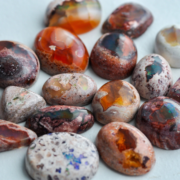
- Querétaro, Mexico: Mexico is famous for its fire opals, which exhibit vivid orange, red, and yellow hues. In the state of Querétaro, particularly in the town of Tequisquiapan, pinfire opals with vibrant colors and unique patterns can be found. Mexican pinfire opals are prized for their fiery colors and translucency.
- Wegel Tena, Ethiopia: In recent years, Ethiopia has emerged as a significant source of high-quality opals, including pinfire opals. The Wegel Tena area, located in the Wollo Province, is known for producing opals with intense color play and distinctive pinfire patterns. Ethiopian pinfire opals often exhibit bright flashes of color against a translucent or transparent background.
These locations represent just a few examples of where pinfire opal deposits can be found. Other regions, such as Brazil, Indonesia, and the United States, also produce pinfire opals, although they may be less well-known compared to the aforementioned locations.
Physical Properties

The physical properties of pinfire opal contribute to its unique appearance and value. Here are some key characteristics:
- Hardness: Opal is relatively soft compared to many other gemstones, with a hardness of around 5.5 to 6.5 on the Mohs scale. This makes pinfire opal susceptible to scratching and abrasion, so it requires careful handling and setting in jewelry to prevent damage.
- Specific Gravity: The specific gravity of opal typically ranges from 1.98 to 2.25, which is relatively low compared to many other gemstones. This low specific gravity contributes to opal’s lightweight feel and can help gemologists distinguish it from other materials.
- Refractive Index: Opal has a refractive index (RI) ranging from approximately 1.37 to 1.47, depending on factors such as water content and composition. This relatively low RI contributes to opal’s characteristic play-of-color and opalescence, as light is diffracted and dispersed within the gemstone.
- Color and Play-of-Color: One of the most distinctive features of pinfire opal is its play-of-color, which refers to the spectral colors that appear as the gemstone is viewed from different angles. The pinfire pattern consists of small, pinpoint flashes of color, which can range from red, orange, and yellow to green, blue, and violet. The intensity and distribution of these colors can vary widely, contributing to the uniqueness of each pinfire opal.
- Transparency: Opal can exhibit varying degrees of transparency, ranging from transparent to translucent to opaque. Pinfire opals often have a translucent to opaque appearance, with the pinfire pattern visible within the stone.
- Cleavage and Fracture: Opal lacks cleavage, meaning it does not break along distinct planes like some other gemstones. Instead, it exhibits conchoidal fracture, which produces smooth, curved surfaces when fractured. This fracture pattern can affect the durability and cutting of pinfire opal gemstones.
Understanding these physical properties is essential for assessing the quality, durability, and value of pinfire opal gemstones and incorporating them into jewelry designs or collections.
Uses and Applications

Pinfire opal, like other varieties of opal, is highly valued for its aesthetic appeal and unique properties. Here are some common uses and applications of pinfire opal:
- Jewelry: One of the most popular uses of pinfire opal is in jewelry. Pinfire opals are often cut into cabochons to showcase their play-of-color and unique patterns. They are set into various types of jewelry, including rings, earrings, pendants, and bracelets. Pinfire opal jewelry is prized for its vibrant colors and dynamic appearance, making it a favorite among collectors and gem enthusiasts.
- Collectibles: Pinfire opals, especially those with exceptional color play and patterns, are sought after by collectors around the world. Collectors may acquire pinfire opals for their beauty, rarity, or historical significance. Vintage pinfire opal jewelry and specimens from renowned locations such as Lightning Ridge and Coober Pedy can command high prices in the collectibles market.
- Ornamental Objects: Pinfire opal is sometimes used to adorn ornamental objects such as sculptures, decorative bowls, and inlays. Its striking colors and patterns can enhance the visual appeal of these objects, adding a touch of elegance and luxury to interior decor.
- Spiritual and Healing Practices: In some cultures, opals, including pinfire opals, are believed to possess metaphysical properties and healing energies. They may be used in spiritual practices, meditation, or as talismans or amulets for protection and well-being.
- Artistic Creations: Pinfire opal’s vibrant colors and unique patterns inspire artists and designers to incorporate it into their creations. Opal artisans may use pinfire opals as focal points in custom-designed jewelry pieces or incorporate them into mixed-media artworks, sculptures, and other creative projects.
- Investment: High-quality pinfire opals, especially those from renowned sources, can appreciate in value over time, making them attractive investment opportunities for gemstone collectors and investors. Rarity, beauty, and provenance are key factors that contribute to the investment potential of pinfire opals.
Overall, pinfire opal’s versatility, beauty, and rarity make it a prized gemstone with diverse uses and applications in jewelry, art, decor, and beyond.