Aquamarine: Properties, Uses and Virtues
Aquamarine: Serene Beauty from the Depths of the Ocean
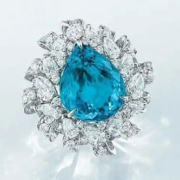
Aquamarine, a captivating gemstone reminiscent of serene blue waters, has enchanted human beings for centuries with its soothing, elegant beauty.
Known for its association with tranquility and clear communication, aquamarine has been cherished by civilizations the world over.
Let’s embark on a journey to explore its geological formation, historical significance and metaphysical properties.

Aigue-Marine: Table of contents
- Aquamarine Geological Formation
- Aquamarine Rough Crystal
- Sources – The Worldwide Scope of Aquamarine
- Historical Significance of Aquamarines – Through the Ages
- Aquamarine Metaphysical Properties – Illuminating Energies
- Aquamarine Varieties
- Aquamarine Colors
- Aquamarine’s Durability and Wearability
- Aquamarine Enhancements – Preserving Natural Beauty
- Synthetic Aquamarine – Nature in the Lab
- Aquamarine Imitations – Discerning the Authentic
- Aquamarine Care – Preserving natural beauty
Aquamarine Geological Formation
Aquamarine, a variety of beryl, forms in pegmatite rocks under specific geological conditions. It emerges from the interaction of the elements beryllium, aluminum and silica, giving rise to captivating blue crystals that evoke the essence of clear, tranquil waters.
Aquamarine Rough Crystal
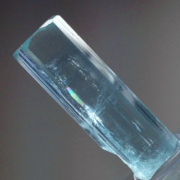
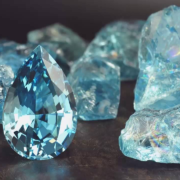
The appeal of rough aquamarine crystals lies in their raw, unprocessed beauty, highlighting the gemologist’s appreciation for their unique characteristics. Uncut aquamarine crystals often feature stunning prismatic formations, enhancing their appeal and desirability.
Sources – The Worldwide Scope of Aquamarine
Aquamarine is found in many parts of the world, including Brazil, Madagascar, Nigeria, Russia and elsewhere. Each source contributes distinct variations in color and clarity, making aquamarine a diverse and sought-after gemstone in the world of jewelry.
Historical Significance of Aquamarines – Through the Ages
Aquamarine has a rich history that spans cultures and centuries. Ancient civilizations cherished aquamarines for their association with the sea, believing them to possess protective qualities during sea voyages.
It was considered a mermaid treasure that would protect sailors.
Over the years, it has been worn by royalty and adorned by eminent figures, symbolizing elegance and sophistication.
Aquamarine is also widely known as one of the birthstones of March.
Aquamarine Metaphysical Properties – Illuminating Energies
In the realm of metaphysical beliefs, aquamarine is considered a stone of tranquility and clear communication.
It is believed to bring inner peace and harmony, promoting a sense of calm and reducing stress and anxiety.
Aquamarine is also associated with improved ability to articulate thoughts and emotions, promoting effective communication.
Aquamarine Varieties
Aquamarine belongs to the beryl family, along with the famous emerald, and has no known varieties, only color variations.
Aquamarine Colors
Aquamarine fascinates with its serene hues, evoking the calm waters of the sea.
Its color range encompasses delicate pastel blues to intense blue-greens, evoking a sense of calm and serenity.
Very dark blue aquamarines do exist, but they must be treated and handled with care, as these stones, also known as Maxixe aquamarines, have been irradiated to achieve this hue, and the resulting color is not stable.
Aquamarine’s Durability and Wearability
Aquamarine has excellent hardness, ranging from 7.5 to 8 on the Mohs scale, making it a durable gemstone suitable for many different types of jewelry. Its robustness ensures that aquamarine can withstand the rigors of daily wear, preserving its beauty for generations to come.
Aquamarine Enhancements – Preserving Natural Beauty
Most of the aquamarines on the market today have been enhanced by heating, as natural aquamarines often have a less desirable greenish hue.
The heat treatment used on a yellowish to greenish to blue-green beryl stone will give the beautiful shade of blue for which aquamarines are known. This treatment is widely accepted and stable. However, it is almost impossible to prove, so all pure blue aquamarines are considered heat-treated.
Irradiation creates deep-blue maxixe aquamarines. this treatment is not stable.
Synthetic Aquamarine – Nature in the Lab
While natural aquamarines have captivated hearts for centuries, technological advances have led to the creation of synthetic aquamarines.
These laboratory stones have the physical and chemical properties of natural stone and offer an alternative for those looking for more affordable, non-mining options.
Aquamarine Imitations – Discerning the Authentic
As a sought-after gemstone, aquamarine can be imitated or counterfeited.
Buyers should be cautious about imitations, such as blue topaz, blue zircon, blue synthetic spinel or blue glass, which may be presented as genuine aquamarines.
Buying from reputable, certified jewelers guarantees the authenticity of the gemstone.
Aquamarine Care – Preserving natural beauty
Caring for aquamarine jewelry ensures that its timeless beauty endures. Avoid exposing aquamarine to aggressive chemicals or sudden temperature changes. Clean the stone gently with soapy water and a soft brush. Keep aquamarine jewelry separate from other stones to avoid scratches and potential damage.