ICIA
  • Home
  • About Us
    • Who We Are
    • Global Governance
    • Headquarters & Global Labs
    • Team & Leadership
  • Standards
    • CCGS
    • RCGS
    • MSGS
    • Treatment Disclosure Guide
    • Gemstone Encyclopedia
  • Verification & Traceability
    • IGSTS 3D Biometric System
    • Certificate Search
    • Global Directory & Public Registry
  • Education & Research
    • IGAI
    • IGMRI
  • Membership & Compliance
    • CABCS
    • PCAS
    • OAISS
    • ERTAS
    • ADRPS
  • Media Center
    • Press Releases
    • Whitepapers & Downloads
    • Industry Blog & Trends
  • Click to open the search input field Click to open the search input field Search
  • Menu Menu

lignite

December 7, 2024/0 Comments/in minerals/by ICIA Media Center

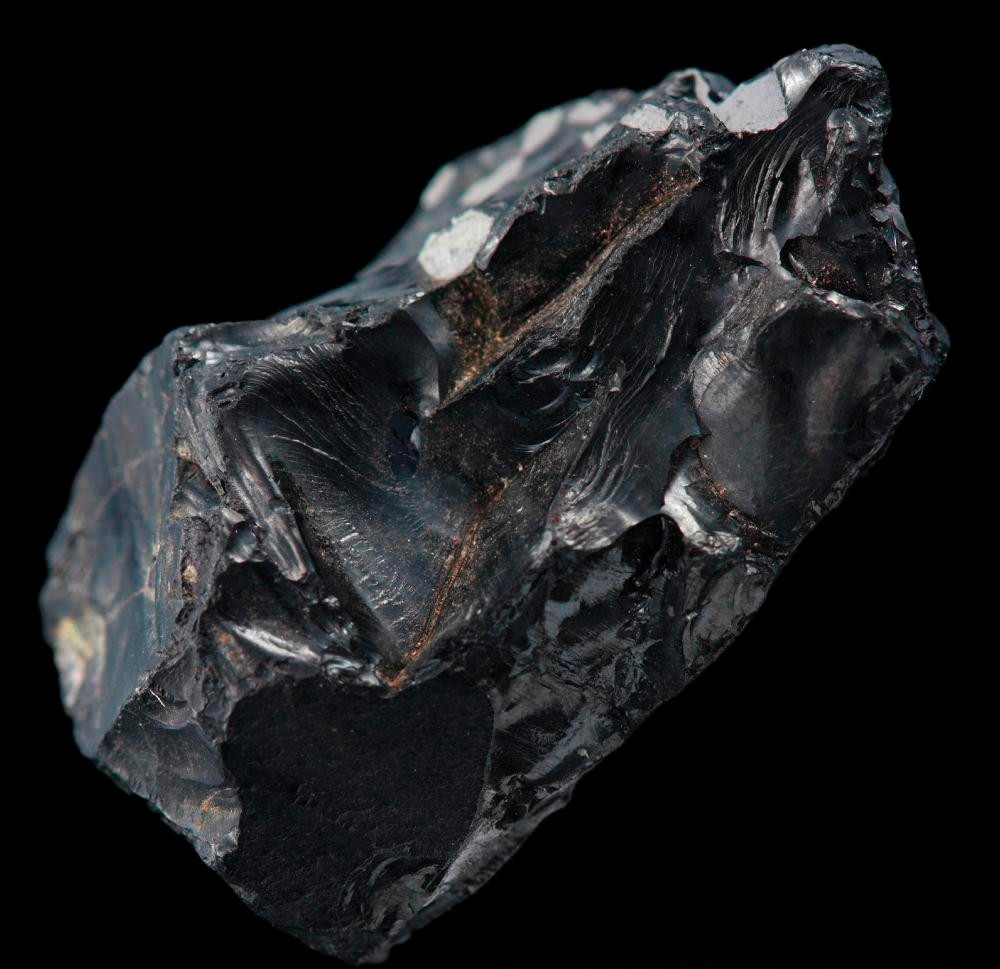
Lignite, also known as brown coal, is a soft, brownish-black coal that is intermediate in rank between peat and bituminous coal. It is the lowest rank of coal and has a relatively low carbon content, typically between 25% and 35%. Because of its high moisture content and lower energy density compared to higher-grade coals, lignite is primarily used for electricity generation in power plants, especially in areas where it is abundant and inexpensive.
Key Characteristics of Lignite:

  1. Composition: Lignite contains more water than higher-ranking coals, which lowers its heat output. Its carbon content is around 25% to 35%.
  2. Color and Texture: Lignite is typically brown in color and can have a texture that ranges from soft and crumbly to firm.
  3. Energy Density: Its energy density is lower than that of bituminous or anthracite coal, making it less efficient for power generation.
  4. Moisture Content: Lignite can contain up to 75% moisture, making it less efficient to burn unless it’s dried.

Environmental Impact:

  • Carbon Emissions: Due to its high moisture content and lower carbon density, burning lignite coal releases more carbon dioxide per unit of energy produced than higher-grade coals.
  • Pollution: The combustion of lignite also produces other pollutants, including sulfur dioxide (SO2) and nitrogen oxides (NOx), which contribute to air pollution and acid rain.

Uses of Lignite:

  • Electricity Generation: Lignite is primarily used in power plants that are located near lignite mines to avoid transportation costs due to its bulkiness.
  • Industry: It is sometimes used in industrial applications, such as in the production of briquettes for heating purposes.

Locations:

Lignite deposits are found in many parts of the world, including:

  • Germany: One of the largest producers of lignite, with significant reserves in the Lausitz and Rhineland regions.
  • United States: Lignite is mined in states like Texas, North Dakota, and Montana.
  • Russia: Significant lignite reserves are also present in Siberia.

If you need more information on a specific aspect of lignite, feel free to ask!
Tags: lignite
Share this entry
  • Facebook Facebook Share on Facebook
  • X-twitter X-twitter Share on X
  • Whatsapp Whatsapp Share on WhatsApp
  • Pinterest Pinterest Share on Pinterest
  • Linkedin Linkedin Share on LinkedIn
https://www.icia.uk/wp-content/uploads/2024/12/lignite-0ek54biu-png.avif 969 1000 ICIA Media Center https://www.icia.uk/wp-content/uploads/2026/10/logo300.avif ICIA Media Center2024-12-07 10:38:262024-12-08 12:01:53lignite
Search Search
  • ICIA Officially Prohibits Subjective “3A/5A/7A” Marketing Labels, Mandating 100-Point CCGS Empirical Standards Worldwide
  • The Timeless Appeal of Natural Jewellery
  • China’s Gem and Jewellery Industry: A Practical Overview
  • Geopolitical Impact Assessment on Mineral Assets
  • Latest Developments in Hong Kong’s Jewellery and Diamond Industry

Subscribe to our Blog

Search Verification

Verify ICIA Certificate

Statutory Legal Disclaimer: ICIA is an independent, non-governmental regulatory alliance. Certification under CCGS/MSGS verifies physical specimen properties at the time of laboratory inspection and does not constitute a direct commercial guarantee of secondary market liquidity.

© 2015–2026 International Crystal Industry Alliance (ICIA™). All Rights Reserved.
ICIA Permanent Secretariats: London (United Kingdom) • Geneva (Switzerland) • Hong Kong
OFFICIAL ACCREDITATION • METROLOGICAL TRUST FRAMEWORK
OAISS REGULATED MICRO-FTIR 3054 cm⁻¹ cert.icia.uk LEDGER CPAFB £250k ESCROW 1958 NYC ARBITRATION
Legal Framework | GDPR Compliance | Statutory Bylaws | Contact Desk

Link to: Red Rhodochrosite Link to: Red Rhodochrosite Red Rhodochrosite Link to: Labradorescence Link to: Labradorescence Labradorescence
Scroll to top Scroll to top Scroll to top