Nature’s Artistry: Opal’s Phenomenal Play-of-Color
The phrase “play-of-color” is whimsical yet accurate!
Technically speaking, a gemstone is classified as a beautiful, rare, and durable mineral. Phenomenal gemstones are those jewels that go above and beyond with exceptional and stunning attributes.
While there are several phenomena that gemstones can have, one of the most well-known and magical is play-of-color.
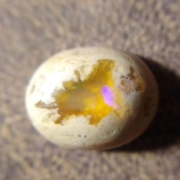
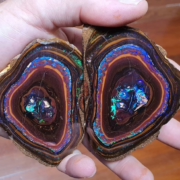
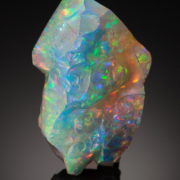
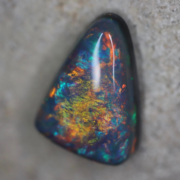
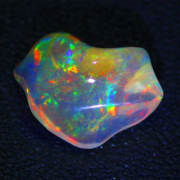
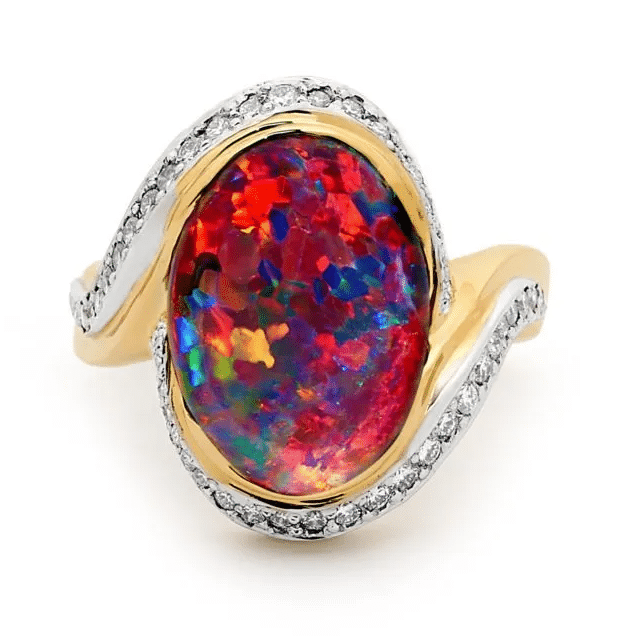
Opals are famous for this phenomenon because of these pinpricks and flashes of color. Play-of-color can appear like the broad strokes of a paintbrush, little flecks of light, or a brilliant patchwork of bold colors. These patterns are called flash fire, pin fire, and harlequin, respectively.
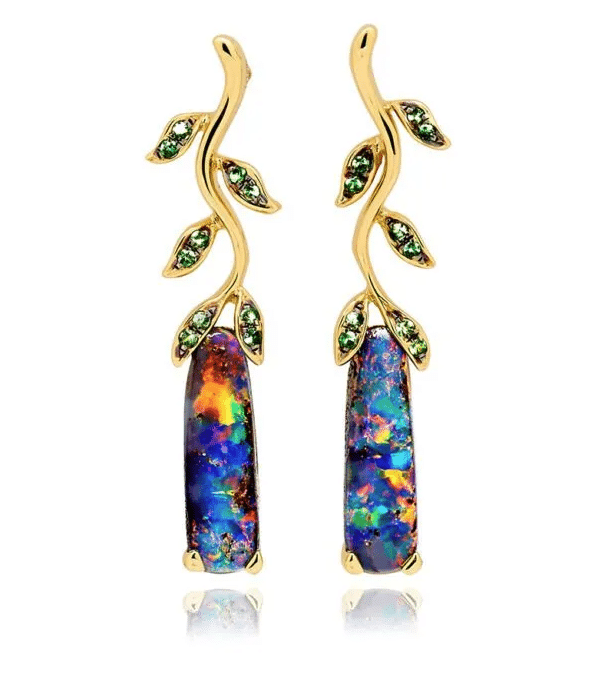
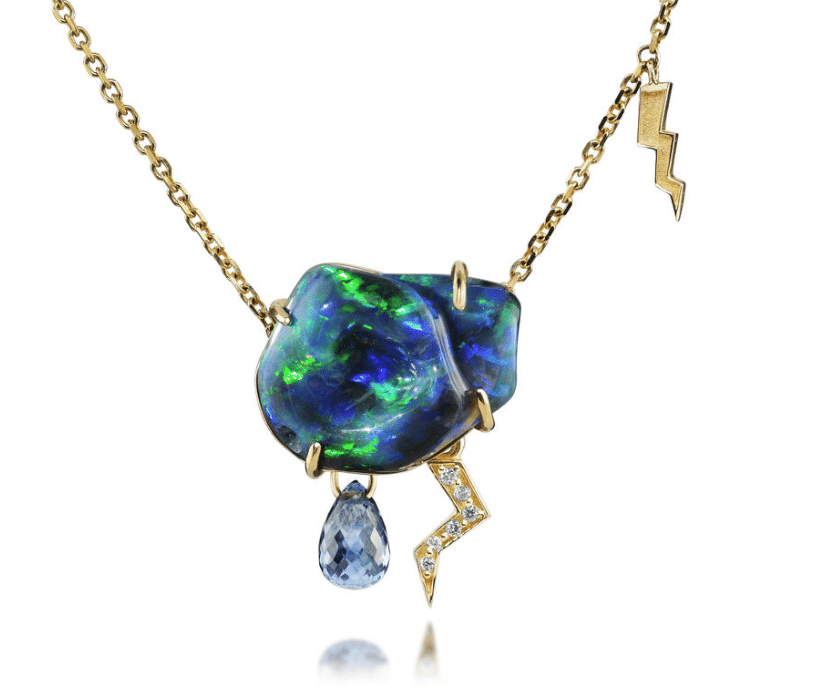
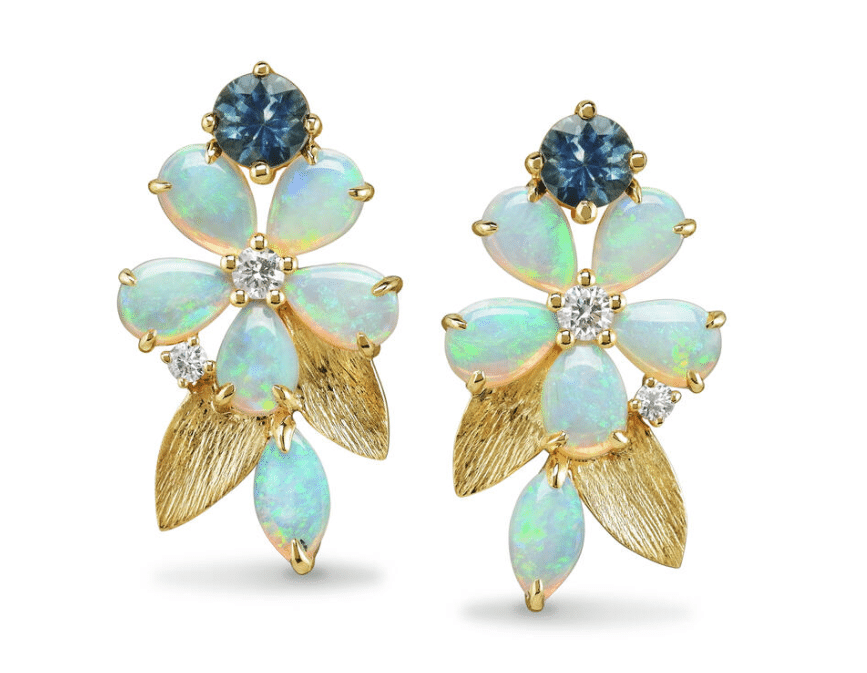
Play-of-color is caused by an interaction of light with opal’s unique structure; unlike other gemstones, opals are amorphous. They don’t have a uniform, repeating, stacked structure of atoms. Most gemstones always crystallize in the same structure, the atoms appearing the same way, in the same pattern, every time. Amorphous gemstones do not.
Opals are comprised of microscopic spheres of ancient silica “gel” that build on top of one another in irregular forms—not a very romantic sounding description given play-of-color’s enchanting appearance!
When light enters an opal, it squeezes through the microscopic gaps between each silica sphere. This action forces the light to slow down and bend, returning the light to our eyes as a stunning display of color flashes.
The colors, patterns, and intensity of play-of-color that we see depend on the size and density of the silica spheres each opal is made of. This means that, indeed, no two opals are the same.
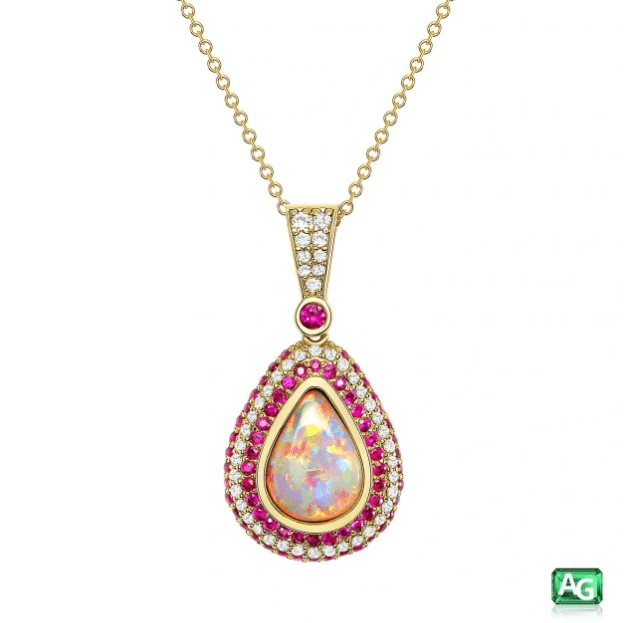
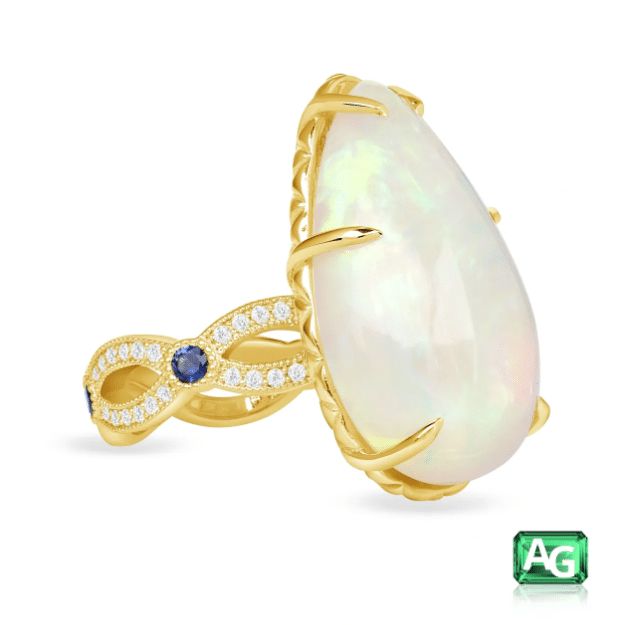
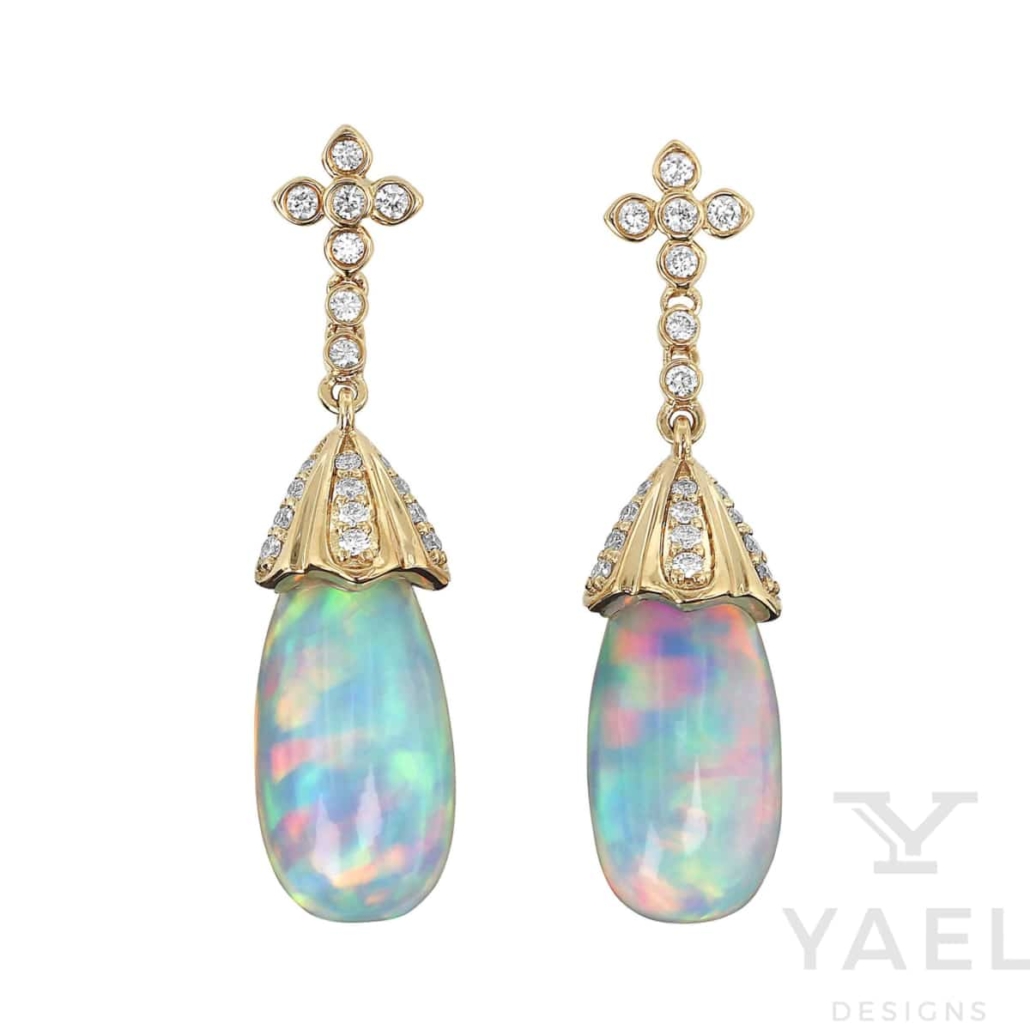
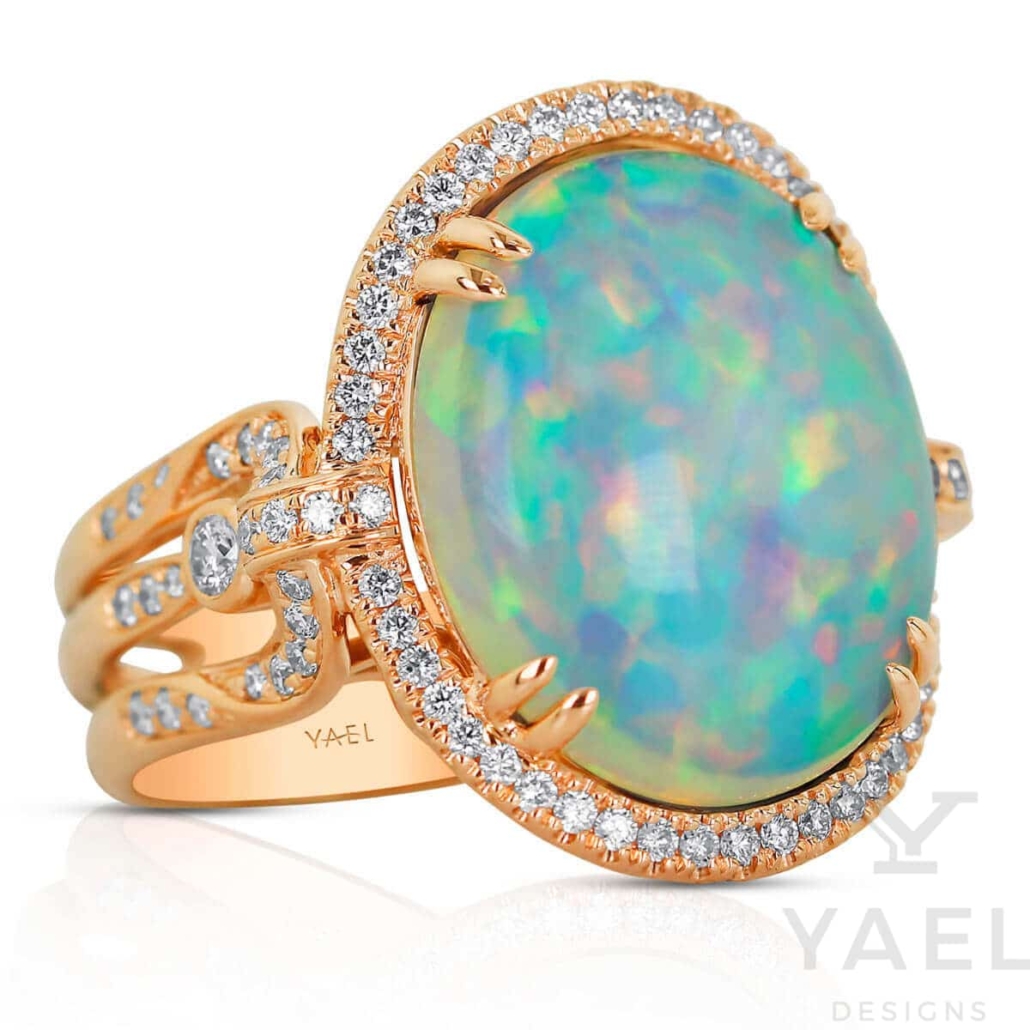
Play-of-color can easily look like an abstract painting, fireworks, or, in some cases, a wild landscape photograph! In certain stones with play-of-color, the same section of color may appear to change drastically to a different color when the light strikes the stone from a different angle. This is called directionality.
With unique patterns and colors, opals are a mesmerizing gemstone, and it’s no wonder they have captivated people for generations. Shakespeare even referenced it in Twelfth Night: “For thy mind is a very opal.”
Arab tradition claims that opal was created where lightning struck the ground, and the play-of-color was caused by the trapped lightning flashing in the stone. Specific patterns of play-of-color certainly evoke that imagery!
In the Middle Ages, opal was considered a very powerful gemstone. Sometimes called “the magician’s stone,” supposedly, it would grant all the magic of its displayed colors. Given that most opals showcase three or more colors at a time, this made it highly prized.
When you see the dance of colors inside an opal, you know why the phenomenon was given the name it was. The colors are playing, always in motion, vibrant and loud.
Play-of-color is a wonderful addition to the already extensive, beautiful, and unique catalog of gemstones—a reminder to us all to play a little each day.