Flower amber
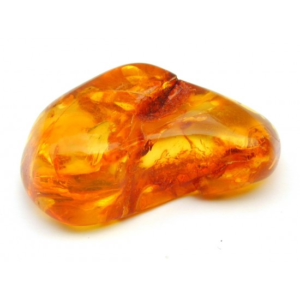
Flower Amber refers to amber that contains visible inclusions of ancient flowers, plants, or plant matter, perfectly preserved within the fossilized tree resin. These inclusions are incredibly rare and highly sought after by collectors due to their unique beauty and the insight they provide into prehistoric ecosystems.
Key Features:
- Appearance:
- Color: Often ranges from golden yellow to honey brown, similar to other types of amber.
- Inclusions: Contains fossilized plant material, such as flowers, leaves, seeds, or pollen. The plant matter is often well-preserved and can be seen clearly within the amber.
- Transparency: Typically translucent or semi-transparent, allowing light to pass through the amber and reveal the intricate details of the plant inclusions.
- Formation:
- Tree Resin: Similar to other types of amber, flower amber forms when tree resin oozes out, and small flowers or plants are trapped in the resin. Over millions of years, the resin hardens into amber, preserving the plant matter inside.
- Environmental Conditions: The presence of plant inclusions can provide valuable information about the flora of the time and the environmental conditions under which the amber formed.
- Rarity:
- Flower amber is one of the rarer types of amber, as plant material must be perfectly preserved in the resin, making it a rare occurrence.
- Specimens with whole flowers or detailed plant structures are especially prized.
- Scientific Value:
- Provides valuable information about prehistoric plant life, climate, and ecosystems. Fossils of ancient flowers and plants can be crucial for understanding the biodiversity of past ages.
- Sometimes, flower amber contains rare plant species that are no longer found today.
- Uses:
- Jewelry: Flower amber is sometimes cut and polished into beads, pendants, or rings, with the plant inclusions serving as a captivating focal point.
- Collector’s Items: Because of its rarity and the detailed preservation of plant life, flower amber is highly sought after by collectors of fossilized specimens.
- Scientific Research: Used by paleobotanists to study ancient plant life and the conditions under which they thrived.
- Care:
- Flower amber is relatively soft (Mohs hardness of 2–2.5), so it should be handled with care to avoid scratches or damage.
- Clean using warm, soapy water and a soft cloth. Avoid harsh chemicals or ultrasonic cleaners.
Interesting Facts:
- Ancient Flora: Flower amber can contain plant species that were once part of ancient forests and ecosystems, offering a glimpse into the diversity of life millions of years ago.
- Symbolism: In some cultures, amber with flowers is associated with nature, life cycles, and protection.
- Unusual Inclusions: Some flower amber may contain additional inclusions such as insects, resin droplets, or even small fragments of other plants, adding to the uniqueness of the piece.
Would you like to learn more about sourcing flower amber, its symbolism in jewelry, or how to identify authentic specimens?