What is Yowah Nut Opal? Discovery, Properties, and Origins
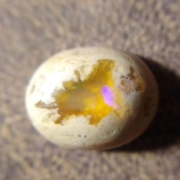
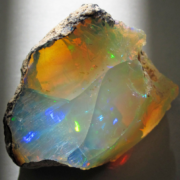
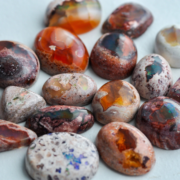
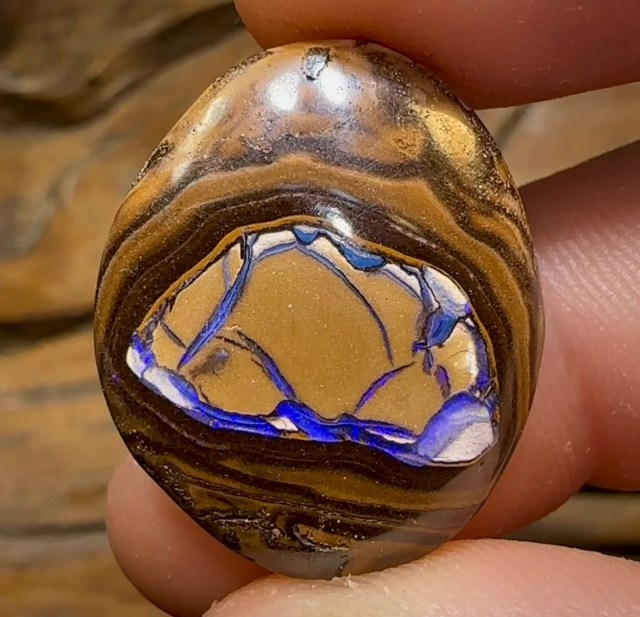
A Yowah Nut Opal is a type of opal found in the Yowah opal field, located in Queensland, Australia. This opal is distinctive because it forms within ironstone concretions, commonly referred to as “nuts.” The opal inside these nuts can range from common opal to precious opal, with the latter displaying vibrant flashes of color, also known as “play of color.”
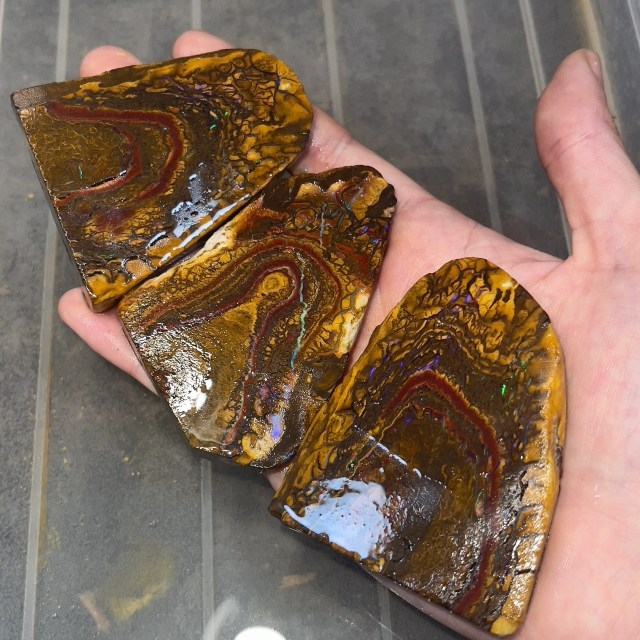
What makes Yowah Nut Opals particularly prized by collectors and jewelers is the unique patterns and color combinations that are often revealed when the nuts are split or polished. Some pieces may contain brilliant, multicolored opals, while others have more subtle hues or earthy tones.
Contents
- Discovery
- Properties
- Origins
Discovery
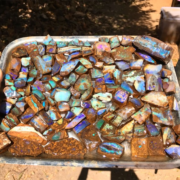
The discovery of Yowah Nut Opal dates back to the late 19th century in the Yowah opal field, located in southwestern Queensland, Australia. The Yowah opal field was officially proclaimed in 1883, making it one of Australia’s oldest opal mining areas. Early miners in the region discovered unusual ironstone “nuts,” which, when cracked open, sometimes contained opal inside.
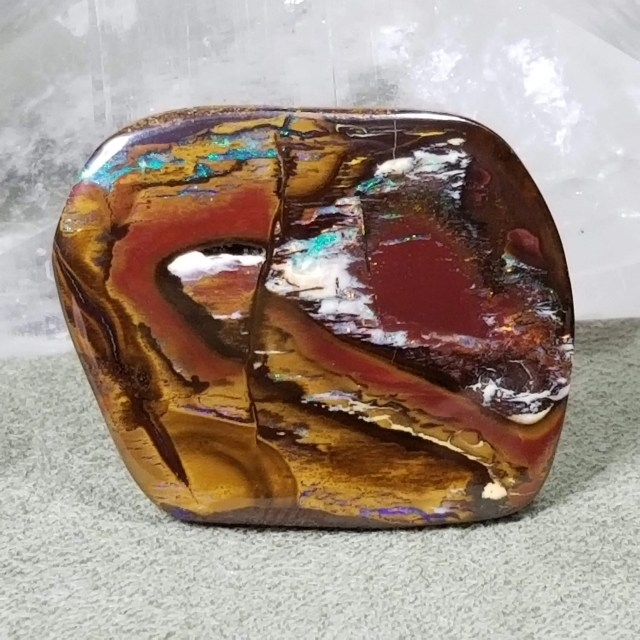
The opal found within these Yowah nuts varies, ranging from common opal to highly prized precious opal. Over time, Yowah Nut Opals gained recognition for their unique appearance and vibrant color patterns, becoming popular among collectors and jewelers. Their distinct formation within the ironstone matrix sets them apart from other types of opals, such as those found in Lightning Ridge or Coober Pedy.
Today, Yowah is still known for producing these rare and beautiful opals, and the mining community there continues to attract enthusiasts from around the world.
Properties
Yowah Nut Opals have several unique properties that make them highly sought after by collectors and jewelers.
Color
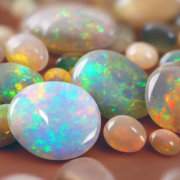
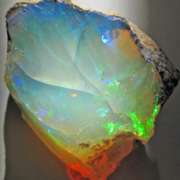
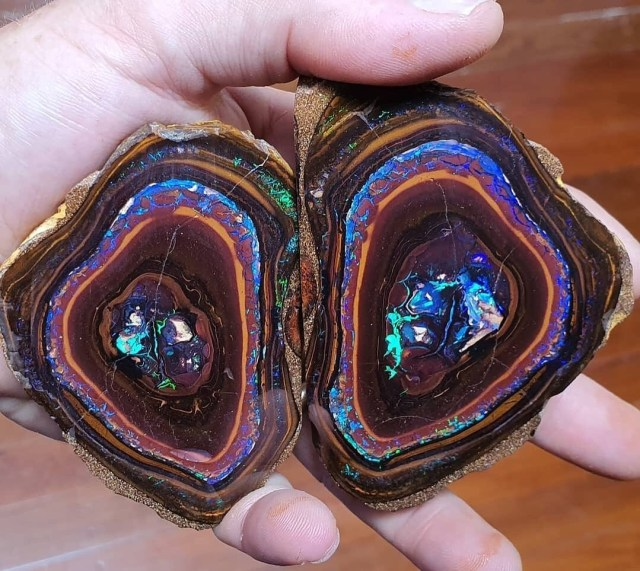
- Play of Color: High-quality Yowah Nut Opals exhibit “play of color,” which is a phenomenon where the stone reflects a spectrum of colors, including reds, blues, greens, and yellows, as it catches the light.
- Varied Patterns: The patterns in Yowah Nut Opals can range from thin veins to striking patches of vibrant opal against the darker ironstone matrix, creating a beautiful contrast.
- Earthy Tones: Some Yowah nuts may contain more subdued opals, with brown, reddish, or blueish tones blending into the ironstone.
Hardness
- Durability: Yowah Nut Opal has a Mohs hardness of around 5.5–6.5. This means it is relatively soft compared to gemstones like diamonds, but the surrounding ironstone matrix provides additional protection, making it durable enough for jewelry.
Transparency
- Variety of Transparency: The opal within Yowah nuts can vary from opaque to translucent, with some precious opals showing a glass-like clarity. This transparency can enhance the brilliance of the play of color in high-quality pieces.
Unique Patterning
- Distinctive Appearance: The combination of ironstone and opal creates a unique, often mesmerizing appearance. The opal’s distribution within the ironstone varies widely from nut to nut, making each piece unique.
Weight and Density
- Yowah Nut Opals are denser and heavier than some other opals because of the ironstone matrix surrounding them.
These properties contribute to the beauty and rarity of Yowah Nut Opals, making them a distinctive type of opal, highly prized for their aesthetic appeal and geological interest.
Origins
The origins of Yowah Nut Opal are rooted in the geological history of the Yowah opal field in Queensland, Australia. The unique formation process of these opals involves a combination of factors over millions of years:
Geological Formation
- Ancient Seas: Yowah, like other opal fields in Australia, was once covered by an inland sea around 100 million years ago during the Cretaceous period. As the sea receded, layers of sediment were deposited, which eventually became sandstone and ironstone.
- Silica Deposition: Over millions of years, water rich in silica percolated through these layers of sandstone and ironstone. When this silica-rich water encountered cavities within the ironstone concretions, it slowly solidified to form opal.
- Concretion Formation: These ironstone concretions, or “nuts,” formed as the iron and other minerals in the soil cemented together, creating hard nodules. The opal formed inside these nodules, filling voids or cracks, leading to the creation of Yowah Nut Opals.
Environmental Conditions
- Weathering and Erosion: Over time, surface erosion gradually exposed these ironstone nodules. Miners discovered the Yowah Nut Opals within the exposed ironstone concretions after cracking them open.
- Arid Climate: The Yowah region’s dry climate contributed to the preservation of the opals, as opal tends to be sensitive to water and can degrade in moist conditions. The dry conditions helped maintain the integrity of the precious opal within the nuts.
Mining History
- Discovery in the Late 19th Century: The Yowah opal field was officially proclaimed in 1883, after the discovery of these opal-bearing ironstone nodules. Early miners in the area found that the nuts sometimes contained precious opal inside, which led to further exploration and mining activities in the region.
- Traditional Mining Methods: Much of the opal mining in Yowah is still done by small-scale miners, often using hand tools or small machinery. This traditional approach to mining adds to the rarity and uniqueness of the stones, as each piece is carefully extracted and handled.
Global Rarity
- Unique to Yowah, Australia: Yowah Nut Opals are geographically unique and are only found in the Yowah opal field. The combination of ironstone and precious opal, formed in the manner described, makes them distinct from other types of opals, such as those from Coober Pedy or Lightning Ridge.
Cultural and Economic Significance
- Opal Mining Town: Yowah has developed a reputation as one of Australia’s oldest and most fascinating opal mining towns. The town attracts opal enthusiasts, tourists, and miners alike, contributing to the local economy and cultural heritage.
- Export: Yowah Nut Opals are exported globally, prized for their unique color patterns, making them a popular choice for gemstones in jewelry and collectible items.
The geological history of the Yowah region and the formation of these opals over millions of years, combined with the town’s long history of opal mining, give Yowah Nut Opals their special place in the opal world.