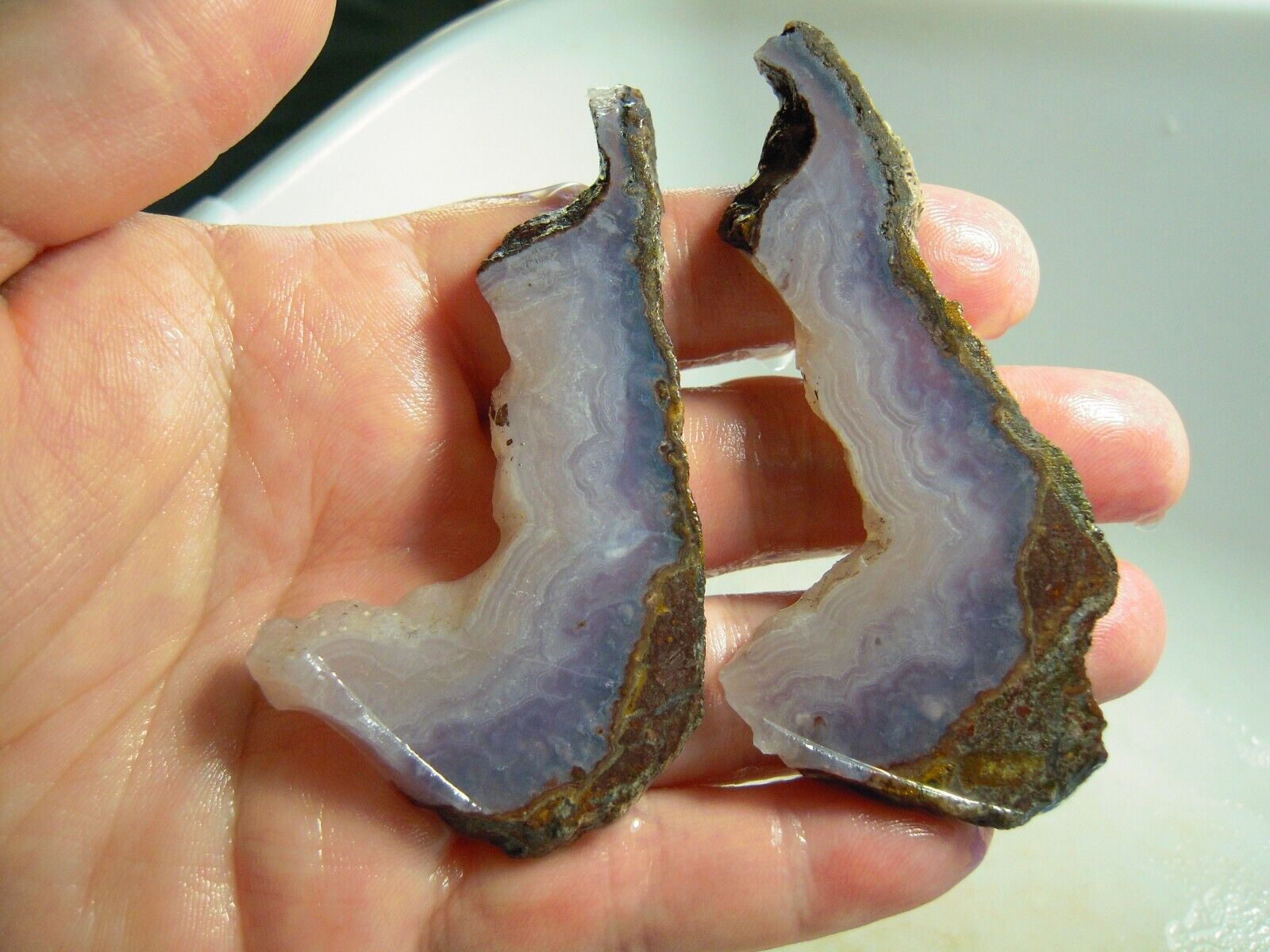
Royal Aztec Agate
The Royal Aztec Agate is a variety of agate highly valued for its aesthetic appeal and rarity. This stone is often recognized for its striking patterns, vibrant colors, and connection to ancient history.

Contents
- 1. What is Agate?
- 2. Aztec Connection
- 3. Appearance and Characteristics
- 4. Formation of Royal Aztec Agate
- 5. Geological Locations
- 6. Uses in Jewelry and Art
- 7. Symbolism and Metaphysical Properties
- 8. Value and Pricing
- 9. Care and Maintenance
- 10. Collecting and Finding Royal Aztec Agate
- Conclusion
1. What is Agate?
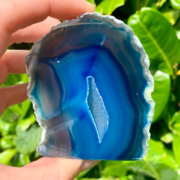
Agate is a form of chalcedony, which is a type of microcrystalline quartz. It typically forms in volcanic rocks and is characterized by its fine grain and bright color patterns. Agates are known for their concentric bands of color, created by various minerals deposited in layers within cavities of rocks. Each type of agate has distinct patterns, textures, and colors.
2. Aztec Connection

The term “Royal Aztec” in Royal Aztec Agate is inspired by the Aztec civilization, which existed in Central America (modern-day Mexico) between the 14th and 16th centuries. The Aztecs were known for their use of stones in art, rituals, and jewelry. While agate wasn’t exclusive to the Aztec civilization, its association with rich colors and natural beauty evokes the grandiose and detailed craftsmanship that the Aztecs often displayed.
The name Royal Aztec Agate is a modern creation, primarily a marketing term used to describe a certain quality or aesthetic of agate that evokes a royal, ancient feel. There is no historical evidence of the Aztecs mining or specifically naming this agate.
3. Appearance and Characteristics

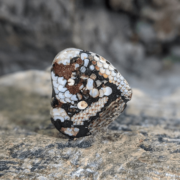
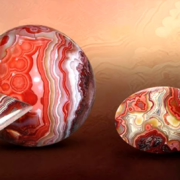
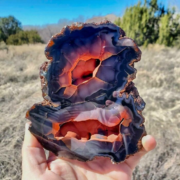
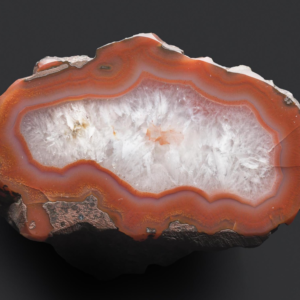
Royal Aztec Agate is distinguished by its vivid color palette, which can include hues of red, orange, yellow, green, white, and black. These colors often appear in striking patterns, with swirling lines, concentric circles, or banded designs. Some Royal Aztec Agate specimens feature clear or semi-translucent areas, adding to their depth and allure.
- Banded Patterns: Agates are famous for their layers, and Royal Aztec Agate often has beautiful, uniform banding, ranging from fine lines to thick swaths of color.
- Vivid Colors: The most prized specimens showcase bold, contrasting colors like deep reds and oranges mixed with cooler tones such as greens or blues.
- Durability: Agate is a hard stone, rated 6.5–7 on the Mohs hardness scale. This makes it ideal for jewelry, decorative items, and even for industrial uses.
4. Formation of Royal Aztec Agate

Agates, including Royal Aztec Agate, form when silica-rich water seeps into the cavities of volcanic rocks. Over time, as the water evaporates, the dissolved minerals crystalize, forming layers that give agate its characteristic banded appearance. Each layer may be composed of different minerals, which result in the variation in color and translucency.
In particular, the Royal Aztec Agate likely forms in regions with significant volcanic activity, where these cavities (often created by gas bubbles in lava) are abundant.
5. Geological Locations
Royal Aztec Agate is found in various locations around the world, but Mexico is known for producing some of the highest-quality specimens. Given the Aztec connection, the Mexican variety of this agate is especially prized. Other notable sources include the southwestern United States, Brazil, and Madagascar.
6. Uses in Jewelry and Art

Royal Aztec Agate is used in a variety of ways, primarily in jewelry, ornamental objects, and carvings. Its unique patterns and colors make it a favorite for:
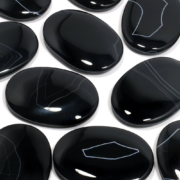
- Cabochons: This is a popular shape for agates, where the stone is cut into a smooth, domed shape and polished to enhance its colors and patterns.
- Beads: Agate beads are often used in necklaces and bracelets, where the stone’s natural beauty can be displayed in simple, elegant designs.
- Carvings: Because of its hardness, agate can be intricately carved into statues, boxes, or other decorative objects.
In ancient civilizations, including the Aztecs, agate (and similar stones) were used in jewelry, amulets, and ceremonial objects, believed to have protective or magical properties.
7. Symbolism and Metaphysical Properties
Agates, including Royal Aztec Agate, have long been associated with healing and protective powers. Throughout history, agates have been regarded as stones of strength and stability, providing protection against negative energies and enhancing one’s connection to the Earth.
- Balance and Grounding: Agates are often seen as grounding stones, helping to balance physical, emotional, and mental energies.
- Protection: Ancient cultures believed that agate could protect the wearer from harm and danger, making it a popular amulet stone.
- Calming Effects: The stone is thought to have soothing properties, calming stress, and promoting mental clarity.
8. Value and Pricing

The value of Royal Aztec Agate depends on several factors, including the size, quality, and intricacy of the patterns. Highly vivid and distinct specimens are more valuable, as are larger stones with fewer impurities. In terms of pricing, agates are generally affordable compared to precious gemstones like diamonds or emeralds, but rare and high-quality agates can still command a premium price in the market.
- Color: Vibrant, contrasting colors in the stone tend to raise its value.
- Pattern: Unique, striking patterns, such as sharp banding or intricate swirls, are highly sought after.
- Size: Larger, well-polished pieces are generally more valuable.
Most Royal Aztec Agate pieces fall within an affordable range, making them accessible to a wide audience of collectors and enthusiasts.
9. Care and Maintenance

Since agate is a relatively hard and durable stone, it requires minimal care to maintain its appearance. However, it’s best to follow some basic guidelines:
- Cleaning: Use warm, soapy water and a soft cloth to clean agate. Avoid harsh chemicals, as they could damage the surface or reduce the stone’s polish.
- Storage: Store agate jewelry or specimens away from harder stones, such as diamonds, which could scratch its surface.
- Avoid Extreme Temperatures: Like most gemstones, agate can crack or fracture if exposed to sudden, extreme temperature changes.
10. Collecting and Finding Royal Aztec Agate

For gem collectors, finding a high-quality piece of Royal Aztec Agate is a rewarding pursuit. Agate hunting is a popular activity in regions known for their deposits, such as certain areas of Mexico or the U.S. Southwest. Many collectors enjoy the process of finding rough agate stones, which are then polished or cut to reveal their internal beauty.
Collectors also often seek out specific types of agate based on their unique properties. Royal Aztec Agate, with its historical association and striking appearance, is one of the most coveted varieties for both new and seasoned collectors.
Conclusion
The Royal Aztec Agate is a captivating gemstone that blends the beauty of natural mineral formations with the allure of ancient history. While it’s not directly tied to the Aztec civilization, the name evokes a sense of mystery and regality. With its bold colors, intricate patterns, and rich symbolism, this variety of agate continues to be a popular choice for jewelry, art, and gemstone collectors worldwide. Whether admired for its metaphysical properties or its sheer aesthetic value, Royal Aztec Agate holds a special place in the world of gems and minerals.