Kambaba Jasper
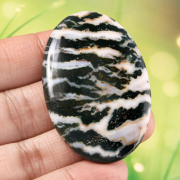
Kambaba Jasper, also known as Crocodile Jasper or Kambaba Stone, is a unique type of jasper renowned for its striking green and black orbicular patterns. It is a type of sedimentary rock composed primarily of microcrystalline quartz (chalcedony) and is often classified as a stromatolite or fossilized algae due to its distinctive circular patterns resembling algae colonies. Kambaba Jasper is prized for its aesthetic appeal and is widely used in jewelry making, ornamental objects, and spiritual practices due to its purported metaphysical properties.


Geological Formation
The formation of Kambaba Jasper dates back millions of years and is believed to have originated from sedimentary deposits in ancient ocean beds. Its distinctive orbicular patterns are thought to have formed through a combination of sedimentation, fossilization, and mineralization processes over time. The green coloration in Kambaba Jasper is attributed to the presence of various minerals, including chlorite and hornblende, while the black orbs are typically composed of other minerals such as pyrite or magnetite. These minerals infiltrate the sedimentary layers, creating the unique patterns observed in the stone.

Historical Significance
Kambaba Jasper has been utilized for centuries by various cultures for both its aesthetic beauty and perceived spiritual properties. Ancient civilizations revered stones like Kambaba Jasper for their believed healing properties and connection to nature. While there might not be extensive documented historical significance specific to Kambaba Jasper, it is part of a broader tradition of using gemstones and minerals for adornment, ritual, and spiritual purposes throughout human history.
In contemporary times, Kambaba Jasper continues to be valued not only for its visual appeal but also for its purported metaphysical properties. Many believe it to be a grounding stone, promoting tranquility, balance, and emotional stability. It is often used in meditation practices to enhance one’s connection with the Earth and foster a sense of inner peace. Additionally, some people attribute healing properties to Kambaba Jasper, claiming it can alleviate stress, promote relaxation, and cleanse negative energies.
Overall, Kambaba Jasper holds significance both as a geological curiosity and as a symbol of the enduring relationship between humanity and the natural world. Its timeless beauty and purported metaphysical properties continue to captivate individuals around the globe, making it a cherished gemstone in the realm of holistic wellness and spiritual practices.
Contents
- Physical Properties of Kambaba Jasper
- Occurrence and Distribution of Kambaba Jasper
- Composition and Structure
- Uses and Applications
Physical Properties of Kambaba Jasper

The physical properties of Kambaba Jasper contribute to its unique appearance and suitability for various applications. Here are some of its notable physical characteristics:
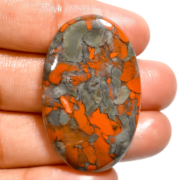
- Color: Kambaba Jasper typically exhibits a distinctive combination of green and black colors. The green coloration is often mottled or banded, while the black markings form orbicular patterns or dendritic inclusions. These colors result from the presence of minerals such as chlorite, hornblende, pyrite, and magnetite within the stone.
- Texture: Kambaba Jasper has a smooth and often polished texture, making it ideal for use in jewelry and ornamental objects. Its surface may have a glossy or matte finish depending on how it has been treated.
- Hardness: Kambaba Jasper falls within the range of 6.5 to 7 on the Mohs scale of mineral hardness. This places it roughly equivalent to other forms of quartz, such as agate and jasper. While it is durable enough to withstand everyday wear, it should still be handled with care to prevent scratching or damage.
- Lustre: The lustre of Kambaba Jasper can vary depending on its surface finish and mineral composition. It may exhibit a vitreous (glass-like) lustre when polished or a more earthy lustre when left in its natural state.
- Transparency: Kambaba Jasper is typically opaque, meaning that light does not pass through it. This opacity is due to its dense composition and the presence of various minerals and inclusions.
- Density: The density of Kambaba Jasper varies depending on its specific composition, but it generally falls within the range of 2.58 to 2.91 grams per cubic centimeter. This density contributes to its weight and feel when used in jewelry or other decorative items.
- Fracture: Kambaba Jasper exhibits a conchoidal fracture, meaning it breaks with smooth, curved surfaces resembling the inside of a clamshell. This fracture pattern is characteristic of many types of chalcedony and quartz.
Understanding these physical properties is essential for identifying, working with, and appreciating the unique qualities of Kambaba Jasper in various contexts, whether it be in the realm of jewelry making, lapidary arts, or geological study.
Occurrence and Distribution of Kambaba Jasper

Kambaba Jasper is primarily found in specific regions of Africa, particularly in Madagascar and South Africa. These regions are known for their rich geological diversity and abundant mineral deposits. Here’s a bit more detail about the occurrence and distribution of Kambaba Jasper:
- Madagascar: Madagascar is one of the primary sources of Kambaba Jasper. The stone is found in various regions across the island, particularly in areas known for their sedimentary rock formations. Mines and quarries in Madagascar extract Kambaba Jasper from the earth, where it is then processed and prepared for sale or export. The stone’s unique orbicular patterns and green-black coloration make it a sought-after material in the global gemstone market.
- South Africa: Kambaba Jasper is also found in some regions of South Africa, although its occurrence here may be less extensive compared to Madagascar. South Africa is renowned for its diverse range of gemstones and minerals, and Kambaba Jasper adds to the country’s mineral wealth. Like in Madagascar, Kambaba Jasper in South Africa is extracted through mining operations and may be processed for various uses, including jewelry making and lapidary work.
- Other Regions: While Madagascar and South Africa are the primary sources of Kambaba Jasper, the stone may also occur in smaller quantities in other parts of Africa. However, these occurrences are generally less significant in terms of production and may not be as well-documented. Additionally, Kambaba Jasper has gained popularity worldwide, leading to its distribution in the global market through gemstone dealers, lapidary suppliers, and online retailers.
Overall, the occurrence and distribution of Kambaba Jasper are closely tied to specific geological environments conducive to its formation, particularly in sedimentary rock formations rich in quartz and various minerals. The stone’s distinctive appearance and metaphysical properties contribute to its demand among collectors, jewelry enthusiasts, and individuals seeking unique and meaningful gemstones.
Composition and Structure

Kambaba Jasper, like other varieties of jasper, is primarily composed of microcrystalline quartz, specifically chalcedony. However, what sets Kambaba Jasper apart is its unique composition and structure, which give rise to its striking green and black orbicular patterns. Here’s a closer look at the composition and structure of Kambaba Jasper:
- Quartz (Chalcedony): Chalcedony is a form of quartz that consists of densely packed microscopic crystals of silicon dioxide (SiO2). In Kambaba Jasper, chalcedony serves as the primary mineral component, providing the stone with its overall hardness and durability. The quartz crystals in Kambaba Jasper contribute to its translucent to opaque appearance.
- Chlorite: One of the key minerals contributing to the green coloration of Kambaba Jasper is chlorite. Chlorite is a group of phyllosilicate minerals that typically form in metamorphic and hydrothermal environments. It appears as small green flakes or crystals within the matrix of Kambaba Jasper, imparting its characteristic hue.
- Hornblende: Another mineral commonly found in Kambaba Jasper is hornblende, a complex silicate mineral belonging to the amphibole group. Hornblende often occurs as elongated crystals or needles dispersed throughout the stone, adding to its green and black coloration and contributing to its unique orbicular patterns.
- Other Minerals: In addition to chlorite and hornblende, Kambaba Jasper may contain other accessory minerals such as pyrite, magnetite, and calcite. These minerals can appear as inclusions, veins, or nodules within the stone, further enhancing its visual appeal and diversity of color and texture.
- Structure: Kambaba Jasper typically exhibits a microcrystalline or cryptocrystalline structure, meaning that its constituent quartz crystals are too small to be seen with the naked eye. This fine-grained structure contributes to the stone’s smooth texture and ability to take a high polish when cut and polished. The orbicular patterns seen in Kambaba Jasper are thought to result from the interplay of various mineral inclusions during the stone’s formation, creating concentric rings or dendritic formations within the matrix of chalcedony.
Overall, the composition and structure of Kambaba Jasper reflect its complex geological history, with the interplay of minerals giving rise to its distinct appearance and aesthetic appeal. Understanding these aspects of Kambaba Jasper enhances appreciation for its natural beauty and geological significance.
Uses and Applications

Kambaba Jasper is valued for its unique appearance and metaphysical properties, making it sought after for various uses and applications. Here are some common ways in which Kambaba Jasper is utilized:
- Jewelry: Kambaba Jasper is often used in jewelry making to create striking and one-of-a-kind pieces. Its distinctive green and black orbicular patterns make it a popular choice for pendants, earrings, bracelets, and rings. Jewelry designers appreciate its natural beauty and versatility, as well as its perceived metaphysical properties, which add an extra layer of meaning to the pieces.
- Ornamental Objects: Beyond jewelry, Kambaba Jasper is used to craft ornamental objects such as decorative bowls, spheres, bookends, and figurines. Its unique coloration and patterns make it an attractive choice for adding a touch of natural beauty to interior decor.
- Metaphysical and Spiritual Practices: Kambaba Jasper is believed by some to possess metaphysical properties that promote tranquility, balance, and healing. As such, it is often used in spiritual practices such as meditation, energy healing, and crystal therapy. Some people use Kambaba Jasper to enhance their connection with nature, foster inner peace, and cleanse negative energies.
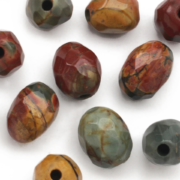
- Lapidary Art: Kambaba Jasper is a favorite among lapidary artists and rock enthusiasts for its beauty and workability. It can be cut and polished into cabochons, beads, and other shapes for use in jewelry and decorative objects. Lapidarists may also experiment with different cutting styles to highlight the stone’s unique patterns and colors.
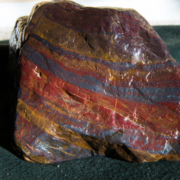
- Collecting: Due to its rarity and aesthetic appeal, Kambaba Jasper is sought after by collectors of gemstones, minerals, and lapidary materials. Collectors may seek out specimens with particularly vibrant colors, distinct patterns, or unusual formations for display in their collections.
- Gifts and Souvenirs: Kambaba Jasper’s natural beauty and symbolic significance make it a popular choice for gifts and souvenirs. Whether in the form of jewelry, decorative objects, or polished stones, Kambaba Jasper can serve as a meaningful and memorable gift for loved ones or as a memento of travels to regions where it is found.
Overall, Kambaba Jasper’s versatility, aesthetic appeal, and perceived metaphysical properties contribute to its popularity and wide range of uses and applications. Whether appreciated for its natural beauty, spiritual significance, or lapidary potential, Kambaba Jasper continues to captivate individuals around the world.